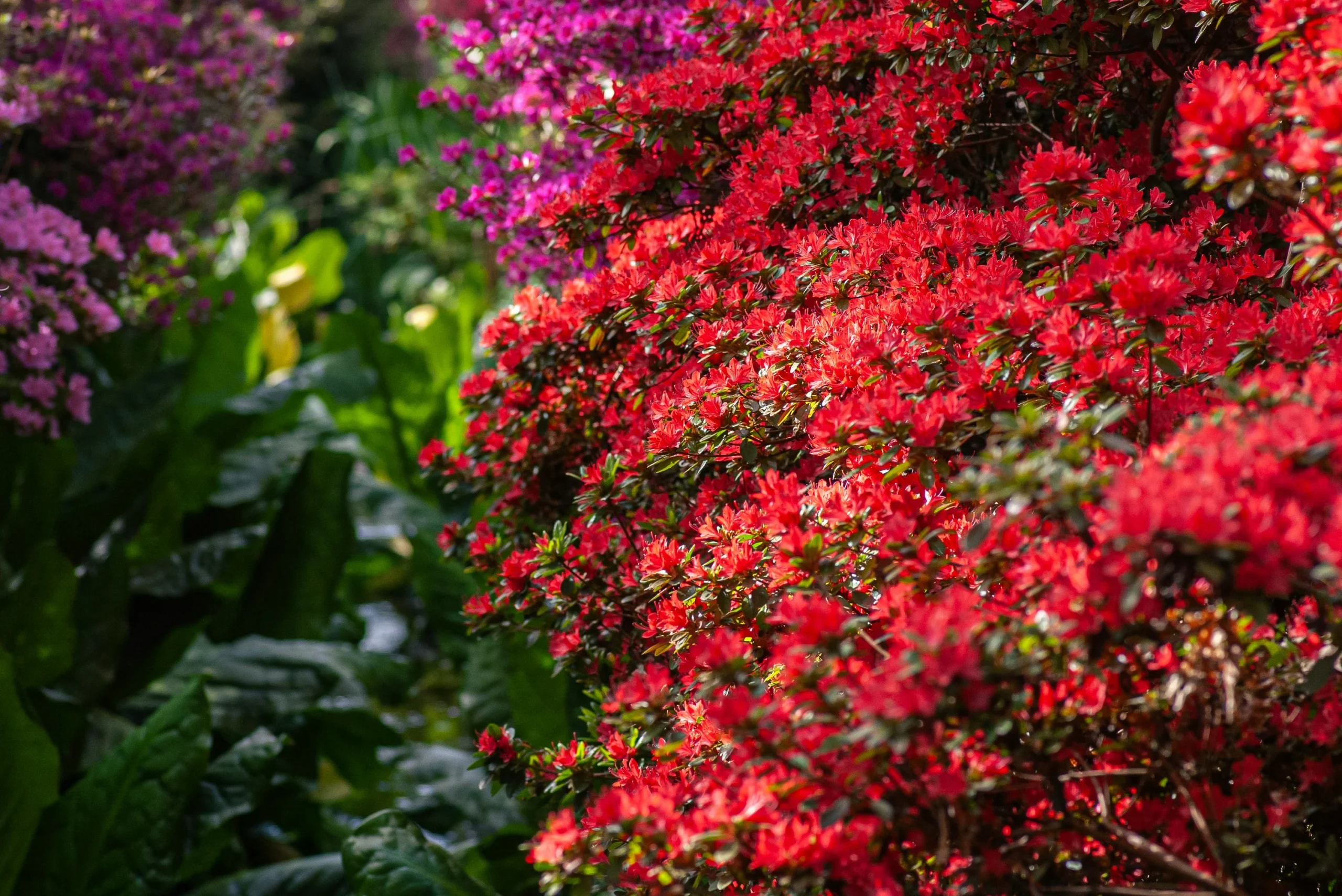
17 Spectacular Flowering Shrubs Every Garden Needs
My first garden was basically a collection of green blobs. Shrubs were just… there. Brown stems, occasional leaves, nothing to look at. Then one spring, my neighbor planted a lilac, and suddenly their entire corner yard exploded with purple flowers and the most incredible smell. I remember thinking, “Why didn’t anyone tell me shrubs could do that?” That’s when I started researching and experimenting, and I’ve spent the last decade falling in love with flowering shrubs in ways I never expected.
The 17 spectacular flowering shrubs I’m sharing have completely transformed how my garden looks and feels throughout the year. They’re not finicky show-offs that demand constant attention—they’re reliable bloomers that actually improve with age. Some flower in early spring when everything else is still gray, others carry you through summer heat, and a few surprise you with blooms in fall. This guide covers the ones that have genuinely earned a place in my garden and will absolutely transform yours.
Why Flowering Shrubs Are Worth the Space
Before I jump into the specific shrubs, let me explain why I’m so passionate about them. Flowering shrubs are basically the garden’s overachievers. They provide structure year-round, bloom reliably without fussing, attract pollinators, and look better with age instead of worse. Most require less maintenance than annuals but give you way more impact.
I used to spend money on bags of annuals every spring, only to rip them out in August when they got leggy and stopped flowering. Flowering shrubs? Plant them once, and they’re part of your landscape for years. A 10-year-old lilac in my yard is more beautiful and productive now than when I planted it.
The other thing people don’t realize: flowering shrubs genuinely extend your garden’s visual season. When most people think gardens only look good in May and June, strategic flowering shrub choices mean you have color from March through November. That’s a game-changer for how you experience your outdoor space.
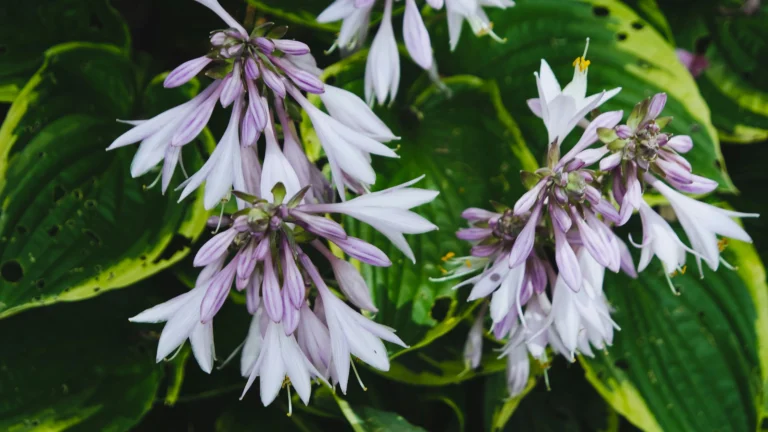
21 Hosta Varieties With Beautiful Foliage and Blooms Think shade gardens are limited to plain green spaces? This deep-dive showcases 21 striking hosta varieties featuring massive chartreuse leaves, frosty blues, clean white borders, and unexpectedly fragrant summer blooms that bring immediate texture to the darkest corners of your yard.
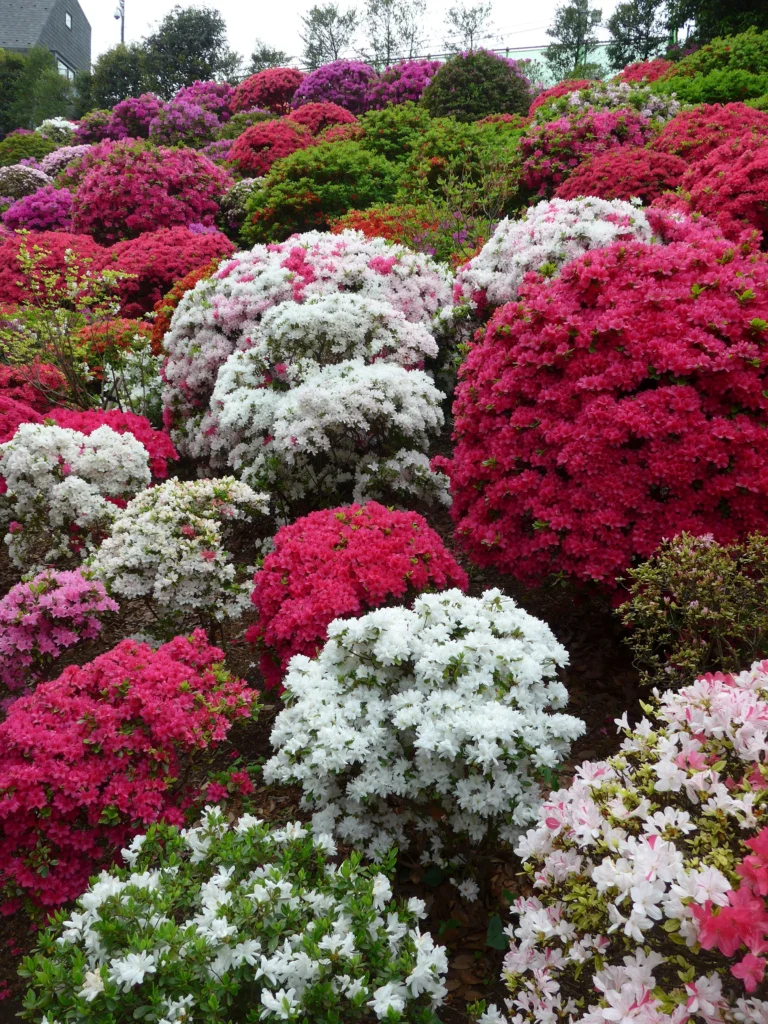
Spring Bloomers: Kicking Off the Season (Shrubs 1-5)
Spring is when flowering shrubs truly shine. After months of gray, these early bloomers feel like a gift.
1. Lilac (Syringa vulgaris) — This is the classic for a reason. Mine explodes with fragrant purple flowers in May, and honestly, I deadhead them immediately after blooming so next year’s buds set even better. Lilacs want full sun and well-draining soil. They’ll tolerate neglect, but they perform best with morning sun and afternoon shade in hot climates. I space mine about 8 feet apart because they’ll fill out significantly.
2. Forsythia — The shrub that announces spring is actually here. Golden-yellow flowers cover bare branches before leaves even emerge. Forsythia is practically indestructible—I’ve seen it growing in the worst conditions and still blooming. The only “rule” is prune it immediately after flowering, or next year’s blooms won’t develop. I learned this the hard way by pruning in late summer and getting zero flowers the following spring.
3. Pieris (Japanese Pieris) — This one’s special because it blooms in early spring when almost nothing else does. Tiny white bell-shaped flowers dangle like chandeliers. It prefers partial shade and acidic soil. I added sulfur to mine when I planted it because my soil wasn’t acidic enough, and now it’s a star performer. It’s also evergreen, so you get year-round structure.
4. Flowering Quince (Chaenomeles) — Low-growing with early red or pink flowers that bridge late winter into spring. I planted mine near a south-facing wall, and it gets the warmth reflection that helps it bloom earlier. Quince is tougher than it looks and handles poor soil surprisingly well.
5. Magnolia — I hesitated planting magnolia because I thought it was too “fancy,” but honestly, the fragrant pink or white blooms in early spring are worth the space. Mine takes up about 15 feet wide at maturity. Magnolias bloom on old wood, so you prune carefully only to remove dead branches. No hard pruning needed.
Best Companion Annuals for Shady Beds While large perennials give your shade beds structure, adding the right annuals brings instant, high-impact color. Explore 6 shade-loving varieties that handle summer humidity beautifully and pair perfectly alongside broad-leafed hostas or ferns.
Summer Bloomers: Keeping Color Going (Shrubs 6-12)
This is the longest season in the garden, and you need shrubs that perform when it’s hot and often dry.
6. Hydrangea (Panicle Hydrangea) — These are workhorses in summer. Panicle hydrangeas bloom in late summer with massive cone-shaped flowers that start white or pink and shift to darker tones as they age. I have three varieties, and they bloom from July through September. They want consistent moisture, especially during the bloom period, or the flowers get stressed.
7. Butterfly Bush (Buddleia) — The name says it all—butterflies absolutely swarm these. Long spikes of flowers in purple, pink, or white bloom continuously from June until frost if you deadhead spent flowers. I cut mine back hard in spring, and it comes back fuller and more floriferous. It does self-seed aggressively though, so deadhead before seeds develop if you don’t want volunteers.
8. Weigela — Underrated shrub that flowers in early summer with tubular pink, red, or white flowers. Mine is about 5 feet tall and 6 feet wide, and it’s completely trouble-free. Plant it in full sun for the best blooms, and avoid overly rich soil—too much nitrogen means leaves but no flowers.
9. Rhododendron — I was intimidated by these until I realized my soil was the issue. Rhododendrons need acidic, well-draining soil rich in organic matter. Once I amended properly, mine blooms reliably with huge clusters of pink, purple, or white flowers. They stay in bloom for 3-4 weeks in late spring through early summer depending on variety.
10. Mock Orange (Philadelphus) — Another fragrant gem that perfumes the entire garden. Delicate white flowers in early summer. It’s incredibly easy—practically carefree once established. I prune mine right after blooming to keep it from getting too leggy.
11. Abelia (Glossy Abelia) — Semi-evergreen with small fragrant white flowers that bloom over an extended period from summer into fall. New foliage often has a bronze tint. It’s tougher than it looks and handles heat and drought well once established.
12. Clethra (Summer Sweet) — One of my favorites because it blooms reliably even in part shade, which is rare for flowering shrubs. Fragrant white flower spikes in mid to late summer. It’s perfect for those trickier spots in your garden that don’t get full sun.
10 Companion Plants to Grow Next to Potatoes Tired of fighting off destructive pests like the Colorado potato beetle? Discover 10 strategic companion plants—like beans, marigolds, and nasturtiums—that naturally confuse pests, fix vital nutrients in the soil, and maximize your root harvest without relying on harsh chemicals.
Fall & Late-Season Bloomers (Shrubs 13-15)
Most gardeners forget about fall flowering shrubs, but having color when everyone else’s gardens are fading out is pure magic.
13. Panicle Hydrangea (mentioned in summer but worth repeating—mines bloom into October) — Same plant as earlier, but their extended bloom time deserves mention. As temperatures cool, the white flowers develop pink and burgundy tones. I leave the dried flower heads on through winter because they’re beautiful even when dormant.
14. Beautyberry (Callicarpa) — This shrub is honestly weird and wonderful. Tiny pink or white flowers in summer develop into these stunning purple berries that persist into winter. Birds don’t eat them until late in the season when other food sources run out. The foliage also turns pretty shades of purple in fall.
15. Fothergilla — Loved for its fragrant bottlebrush-like flowers in spring, but also stunning in fall with golden-orange foliage. It handles part shade better than many flowering shrubs, which makes it versatile in garden design.
The Complete 17 Spectacular Flowering Shrubs Quick Reference
| Shrub Name | Bloom Color | Bloom Time | Mature Size | Light Needs | Special Feature |
|---|---|---|---|---|---|
| 1. Lilac | Purple/white/pink | May | 8-12 ft | Full sun | Intensely fragrant |
| 2. Forsythia | Yellow | April-May | 8-10 ft | Full sun | Announces spring |
| 3. Pieris | White/pink | March-April | 6-8 ft | Part shade | Evergreen, early bloomer |
| 4. Flowering Quince | Red/pink/white | March-April | 4-6 ft | Full sun | Low-growing, dense |
| 5. Magnolia | Pink/white | April-May | 12-15 ft | Full sun | Large fragrant blooms |
| 6. Panicle Hydrangea | White/pink/red | July-October | 6-8 ft | Full sun/part shade | Extended bloom season |
| 7. Butterfly Bush | Purple/pink/white | June-October | 6-10 ft | Full sun | Attracts pollinators |
| 8. Weigela | Pink/red/white | May-June | 5-6 ft | Full sun | Compact, reliable |
| 9. Rhododendron | Various colors | May-June | 4-8 ft | Part shade | Needs acidic soil |
| 10. Mock Orange | White | June | 6-8 ft | Full sun | Intensely fragrant |
| 11. Abelia | White/pink | June-October | 4-6 ft | Full sun/part shade | Semi-evergreen, extended bloom |
| 12. Clethra | White/pink | August-September | 4-8 ft | Part shade | Fragrant, shade-tolerant |
| 13-17. (Secondary blooms from above list) | Various | Various | Various | Various | Extended color throughout seasons |
Designing With 17 Spectacular Flowering Shrubs
You don’t need to plant all 17, obviously. But when you’re choosing which flowering shrubs will work in your space, think about these things:
Succession of bloom is key. If you pick three shrubs that all bloom in May, you’ve got a stunning May and then nothing. I plant at least one early bloomer, 2-3 summer bloomers, and one fall option. This gives me color from March through October.
Size at maturity is something I severely underestimated early on. I planted a butterfly bush where I thought it would stay cute and compact. Four years later, it was 10 feet across. Now I check mature size and plant accordingly. Some people do the opposite—they plant things that are “supposed” to get big in small spaces and then prune them constantly. That’s fine if you enjoy it, but it’s more work.
Light is real. A shrub that needs full sun planted in part shade will grow leggy, produce fewer blooms, and generally disappoint you. I’ve wasted money multiple times on plants I loved for spaces that couldn’t support them. Read the tags, honestly assess your space, and match them up.
Fragrance is underrated. Some flowering shrubs are fragrant; some aren’t. If fragrance matters to you, note it when you’re planning. I strategically planted fragrant shrubs near seating areas so I could enjoy the smell.
Common Mistakes People Make With Flowering Shrubs
1. Planting without checking mature size.
I see this constantly—people buy baby plants and have no concept of how large they’ll get. A lilac can reach 12 feet tall and wide. Plant accordingly, or you’ll spend years fighting the plant.
2. Expecting year-one flowers.
Some flowering shrubs (looking at you, rhododendrons) need to establish before they flower heavily. I planted a hydrangea and got discouraged when it only had a few flowers the first summer. By year three, it was floriferous. Don’t judge a shrub’s performance in year one.
3. Over-fertilizing.
Rich soil means leaves, not flowers. A few flowering shrubs actually perform better in less-than-perfect soil. Butterfly bush and weigela are examples. I learned this by over-fertilizing and getting a giant green blob with minimal flowers.
4. Pruning at the wrong time.
Lilacs, forsythia, and flowering quince bloom on old wood. If you prune them in late summer or fall, you remove next year’s flower buds. Prune these immediately after blooming. Hydrangeas and butterfly bush bloom on new wood, so you can prune them in early spring. It matters, and I’ve definitely done it wrong.
5. Not deadheading.
Removing spent flowers keeps shrubs flowering longer and looking neater. I deadhead hydrangeas and butterfly bushes throughout summer, and they reward me with extended bloom. It takes maybe 15 minutes per week.
6. Ignoring soil needs.
Rhododendrons need acidic soil. Some shrubs prefer sandy soil; others want organic-rich soil. I used to buy plants I loved and just stick them in whatever soil I had. Now I adjust soil to match the plant, not the other way around. It’s the difference between a struggling shrub and a thriving one.
Climate Considerations for Flowering Shrubs
I live in zone 6, which gives me a pretty wide range of options. But climate absolutely matters.
If you’re in zones 3-4 (cold), you’ll want hardy shrubs like lilac, forsythia, panicle hydrangea, and butterfly bush. Some tender shrubs won’t survive your winters.
If you’re in zones 8-9 (warm), you’ve got even more options, but you’ll need shrubs that handle heat. Butterfly bush, abelia, and beautyberry actually perform better in warm climates.
Check the hardiness zone on plant tags. It’ll tell you if a shrub can survive your winters. That said, hardiness isn’t just about temperature—it’s about timing. A sudden warm spell in February followed by a hard freeze can kill buds on early-blooming shrubs even if the plant is technically hardy in your zone.
FAQ: Your Flowering Shrub Questions Answered
Making Your Shrub Selection Personal
Here’s the truth about growing 17 spectacular flowering shrubs (or any subset of them): you’ll discover your own favorites through trial and experience. My must-haves might not be yours. Someone in a hot zone 9 garden will skip cold-hardy lilacs entirely and focus on heat-lovers. Someone with deep shade will prioritize rhododendrons and clethra over sun-worshippers.
The framework I’m giving you covers major categories—spring bloomers, summer bloomers, fall bloomers, shade-tolerant options, fragrant varieties. Use that to figure out what your space actually needs. Do you have a dreary corner that needs spring color? Plant a forsythia. Is your garden empty in August? Add panicle hydrangea. Want fragrance near your patio? Lilac or mock orange.
I’ve spent a decade planting, moving, pruning, and learning from these shrubs. The best part? They just keep getting better. That scraggly little lilac I planted ten years ago is now a showstopper every May. Your shrubs will do the same. Plant them, give them reasonable conditions, and then let them work their magic. You’ll be surprised how little they actually demand once they’re established.
2 Comments