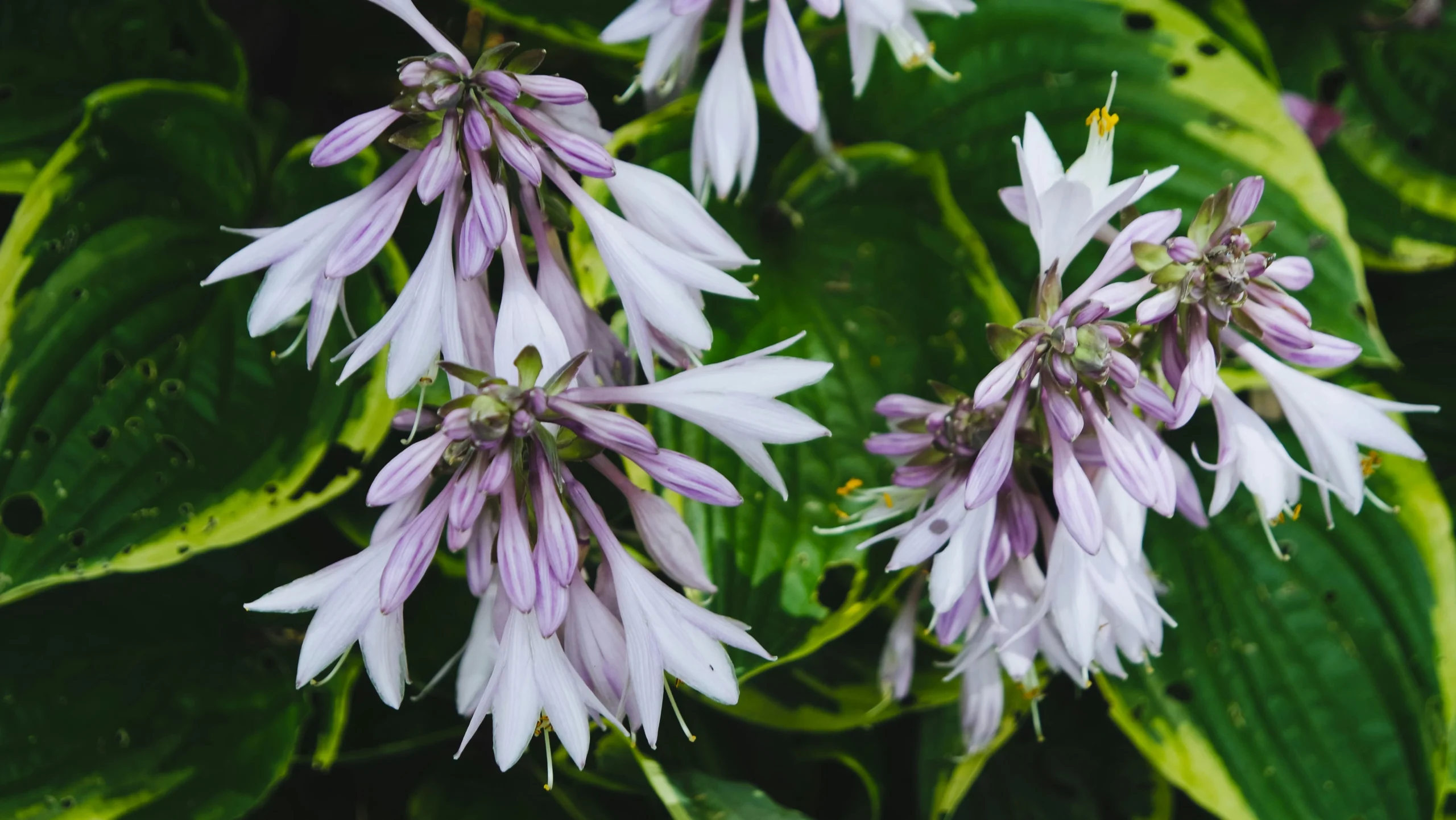
21 Unique Hosta Varieties With Stunning Variegated Foliage And Purple Blooms For Shady Gardens
I used to think hostas were just “that green shade plant” my grandmother had lining her porch. Then I planted three varieties along my north-facing fence, and within two summers I was hooked. If you’re hunting for 21 Hosta varieties with beautiful foliage and blooms, you’re in the right spot — I’ve grown or personally seen almost every plant on this list, and I’ll tell you which ones actually earn their space in a garden and which ones just look good in a catalog.
Hostas aren’t boring. Some have leaves the size of dinner plates. Others glow gold in dappled light or throw up spikes of fragrant purple flowers that hummingbirds and moths can’t resist. Let’s get into it.
Why Hostas Deserve More Credit Than They Get
Most people plant hostas and forget them, which is honestly part of the appeal. But the variety out there is wild — blue-green, chartreuse, cream-edged, even near-white in some cultivars. Once you start comparing leaf textures (puckered versus glossy, for instance), you’ll never look at a “plain green hosta” the same way again.
They also bloom. Not every gardener realizes this until they see a mature clump throw up tall scapes covered in bell-shaped flowers in July or August. Some varieties even carry a scent strong enough to notice from a few feet away, which surprised me the first time I walked past a patch of Honeybells at dusk.
What really sold me on hostas, though, was how differently they behave depending on where you plant them. The same variety looks almost unrecognizable in deep shade versus a spot with an hour of gentle morning sun. That kind of flexibility is rare in a shade perennial, and it’s part of why hostas show up in nearly every serious shade garden I’ve visited.
6 Shade-Loving Annuals to Plant in July: A complete guide to mid-summer gardening, featuring resilient, heat-tolerant annuals like Coleus, Begonias, and New Guinea Impatiens that fill in empty, shaded yard spaces quickly and bloom consistently until the first frost.
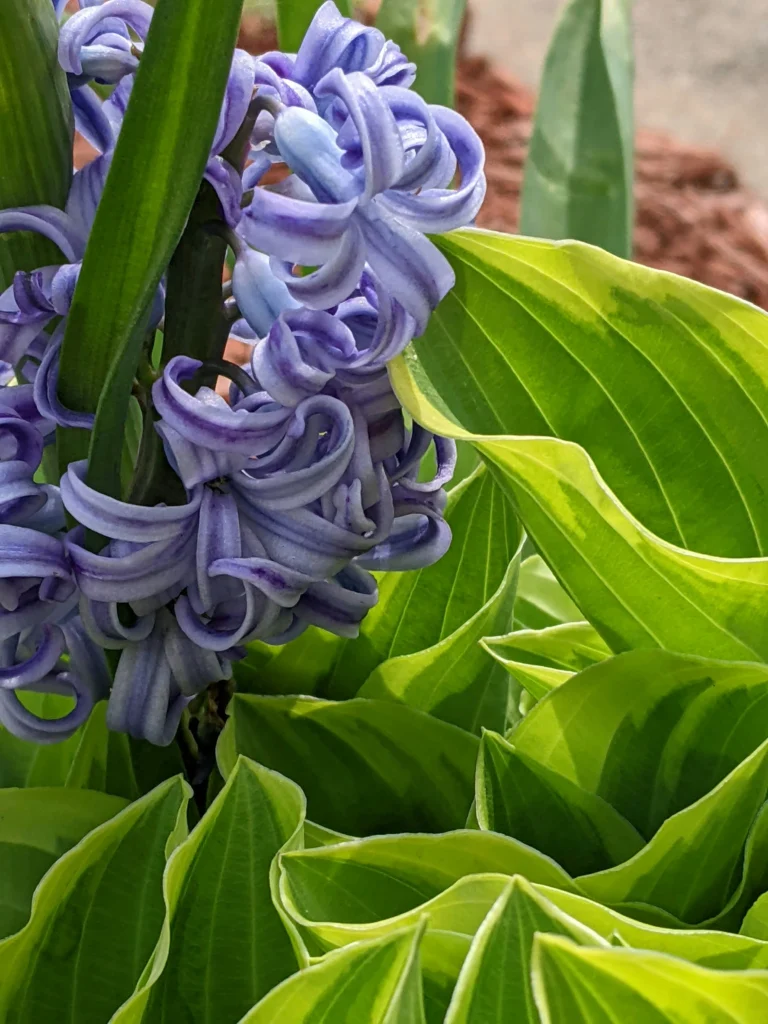
21 Hosta Varieties With Beautiful Foliage and Blooms (The Full List)
I’ve grouped these by the trait that stands out most, because that’s how I actually shop for hostas — by what job I need them to do in the garden.
Big, Bold Foliage Varieties
- Sum and Substance – Massive chartreuse-gold leaves, some over a foot wide. Mine took three years to reach full size but it was worth the wait.
- Empress Wu – Marketed as the largest hosta around, and honestly, it lives up to the hype in a shady bed with rich soil.
- Blue Angel – Huge blue-gray leaves with a powdery finish. Slugs seem to leave the thicker leaves alone in my yard, though your mileage may vary.
- Guacamole – Glossy, apple-green centers with darker green margins. Fragrant white flowers in late summer are a nice bonus.
Blue and Silvery-Toned Varieties
- Halcyon – Compact, steel-blue leaves that hold their color well even with a bit of morning sun.
- Krossa Regal – Vase-shaped growth habit with frosty blue-gray leaves. Looks almost sculptural once established.
- Blue Mouse Ears – Small, thick, spoon-shaped leaves. Great for containers if you’re tight on garden space.
- Abiqua Drinking Gourd – Deeply cupped blue leaves that genuinely hold rainwater like tiny bowls. My kids think it’s magic.
DIY Slow Release Organic Fertilizer for Potted Plants: A step-by-step guide to mixing your own gentle, budget-friendly plant food using household kitchen scraps like coffee grounds and eggshells combined with organic amendments. It explains how to combat nutrient leaching in container soil and optimize ratios for leafy houseplants, succulents, or flowering varieties.
Gold and Chartreuse Varieties
- June – Blue-green margins with a gold center that brightens as the season goes on.
- Stained Glass – Gold centers with green edges and a lovely lemon scent on the flowers.
- Paul’s Glory – Starts blue-green with gold centers, then the whole leaf shifts gold by midsummer.
- Fire Island – Gold foliage with red-tinted stems, which is a nice detail most people miss until they look closely.
Variegated Beauties
- Patriot – Deep green leaves with crisp white edges. One of the most reliable variegated types I’ve grown.
- Francee – Similar white-edged look to Patriot but slightly narrower leaves and a bit more shade tolerance.
- Great Expectations – Blue-green margins around a creamy gold center. Slower growing, but the color combo is stunning.
- Wide Brim – Green leaves with irregular cream margins; holds up well in part sun.
Fragrant Bloomers
- Royal Standard – Bright green leaves and genuinely fragrant white flowers that open in late summer evenings.
- Honeybells – Light green, almost glossy leaves with lavender, sweetly scented blooms that pollinators swarm.
- Fried Green Tomatoes – Big ruffled green leaves and tall, fragrant white flower spikes.
Miniature and Border Varieties
- Mighty Mouse – A dwarf variety, perfect for edging a path or filling gaps between larger hostas.
- Cherry Berry – Smaller leaves paired with red-tinted flower stems, which is unusual enough that visitors always ask about it.
Quick-Reference Comparison Table
| Variety | Leaf Color | Mature Size | Bloom Color | Sun Tolerance |
|---|---|---|---|---|
| Sum and Substance | Chartreuse-gold | Large (3ft+) | Lavender | Moderate |
| Halcyon | Steel blue | Medium | Lavender | Low |
| Patriot | Green/white edge | Medium | Purple | Moderate |
| Guacamole | Green/dark margin | Medium-large | White, fragrant | Moderate |
| Blue Mouse Ears | Blue | Small | Lavender | Low |
| Honeybells | Light green | Medium | Lavender, fragrant | Moderate |
| Mighty Mouse | Green | Miniature | Lavender | Low |
This isn’t the full 21, but it gives you a fast snapshot before you commit to a spot in your beds.
Soil, Light, and Spacing: Getting the Basics Right
Before you even pick a variety, it helps to understand what hostas actually want from their environment. I skipped this step my first year and paid for it with stunted growth.
Soil Preparation
Hostas like rich, well-draining soil with plenty of organic matter. If your soil is heavy clay, mix in compost or aged leaf mold before planting — I usually work in a couple of inches across the whole bed, not just the planting hole. This makes a noticeable difference in how fast the roots establish.
Light Requirements
Full shade doesn’t always mean the darkest corner of your yard. Most hostas actually do best with dappled light or a few hours of gentle morning sun, especially the gold and chartreuse varieties. Deep, all-day shade under a dense tree canopy can sometimes leave leaves smaller and less vibrant than you’d expect.
Spacing Guidelines
Give small varieties like Blue Mouse Ears or Mighty Mouse about 12 to 18 inches between plants. Larger types like Empress Wu or Sum and Substance need 3 to 4 feet of breathing room, since their mature spread is often bigger than the tag on the pot suggests.
How to Choose the Right Hosta for Your Garden
I made the mistake early on of buying whatever looked prettiest at the nursery without checking mature size. Two seasons later, “Empress Wu” had swallowed a hosta half its size next to it.
Here’s a simple process I use now:
- Check your light levels first. Most hostas want part to full shade; blue-toned varieties fade faster in strong sun.
- Measure your space. Look up mature width, not just what the pot says at purchase.
- Think about bloom timing. If you want fragrance in the evening, prioritize varieties like Honeybells or Royal Standard.
- Plan for slugs. Thicker, more textured leaves (Blue Angel, Krossa Regal) tend to resist slug damage better than thin-leaved types.
- Group by color contrast. Pair a gold variety next to a blue one — the contrast genuinely makes a shade bed pop.
Common Mistakes to Avoid
- Planting too shallow. Hosta crowns need to sit right at soil level, not raised up like a little mound.
- Overwatering in heavy clay soil. Root rot is a real risk if drainage is poor — amend with compost before planting.
- Ignoring mature spread. I’ve seen so many gardens where a “small” hosta swallows its neighbor within three years.
- Skipping slug control. Beer traps, crushed eggshells, or diatomaceous earth around the base may help, though results vary by garden.
- Cutting back too early in fall. Let the foliage die back naturally so the plant can store energy for next spring.
When Hostas Struggle: A Quick Note
If your hosta’s leaves are yellowing, riddled with holes, or wilting despite regular watering, it’s worth checking for slug damage, crown rot, or foliar nematodes before assuming it’s just “old age” on the plant. Foliar nematodes in particular show up as brown stripes between the leaf veins and tend to get worse with overhead watering, so switching to drip irrigation may help slow the spread.
For persistent disease issues, a local extension office or garden center professional can usually diagnose the problem faster than guessing from photos online. This is especially true if you suspect a fungal issue, since treatment can vary quite a bit depending on the exact cause.
Dividing and Propagating Established Hostas
Once a hosta clump gets crowded, usually after three to four years, dividing it does two things: it keeps the plant healthy and gives you free plants for other parts of the garden. I do this in early spring, right as new shoots (“eyes”) start poking through the soil.
Dig around the entire clump, lift it out, and use a clean spade or knife to split it into sections, making sure each division has a few healthy eyes and some root mass attached. Replant immediately and water deeply. I’ve found divided hostas bounce back within a few weeks, often looking fuller by midsummer than the original clump did.
How to Prune Peonies for the Most Stunning Blooms Next Year: An essential maintenance guide detailing seasonal care for herbaceous, tree, and Itoh peonies. It provides step-by-step instructions on deadheading spent blooms in late spring and safely cutting back autumn foliage to redirect vital energy into the root systems while actively preventing destructive fungal issues like botrytis blight.
Simple Care Checklist for New Hosta Plantings
- Plant in spring or early fall, in part-to-full shade
- Water deeply once or twice a week for the first month
- Mulch 2 inches around the base to retain moisture
- Divide clumps every 3–4 years once they get congested
- Fertilize lightly in spring with a balanced, slow-release feed
- Watch for slug trails in early morning and treat as needed
FAQ: What People Actually Ask About Hostas
Final Thoughts From My Own Shade Garden
Hostas taught me patience more than any other plant in my yard. The first year, they look modest. By year three, they’re the backbone of the whole bed. If you’re picking from these 21 Hosta varieties with beautiful foliage and blooms, my honest advice is to start with two or three contrasting types — a blue, a gold, and a variegated one — and build from there. You’ll figure out what your specific garden loves faster than any list, including this one, can tell you.
2 Comments