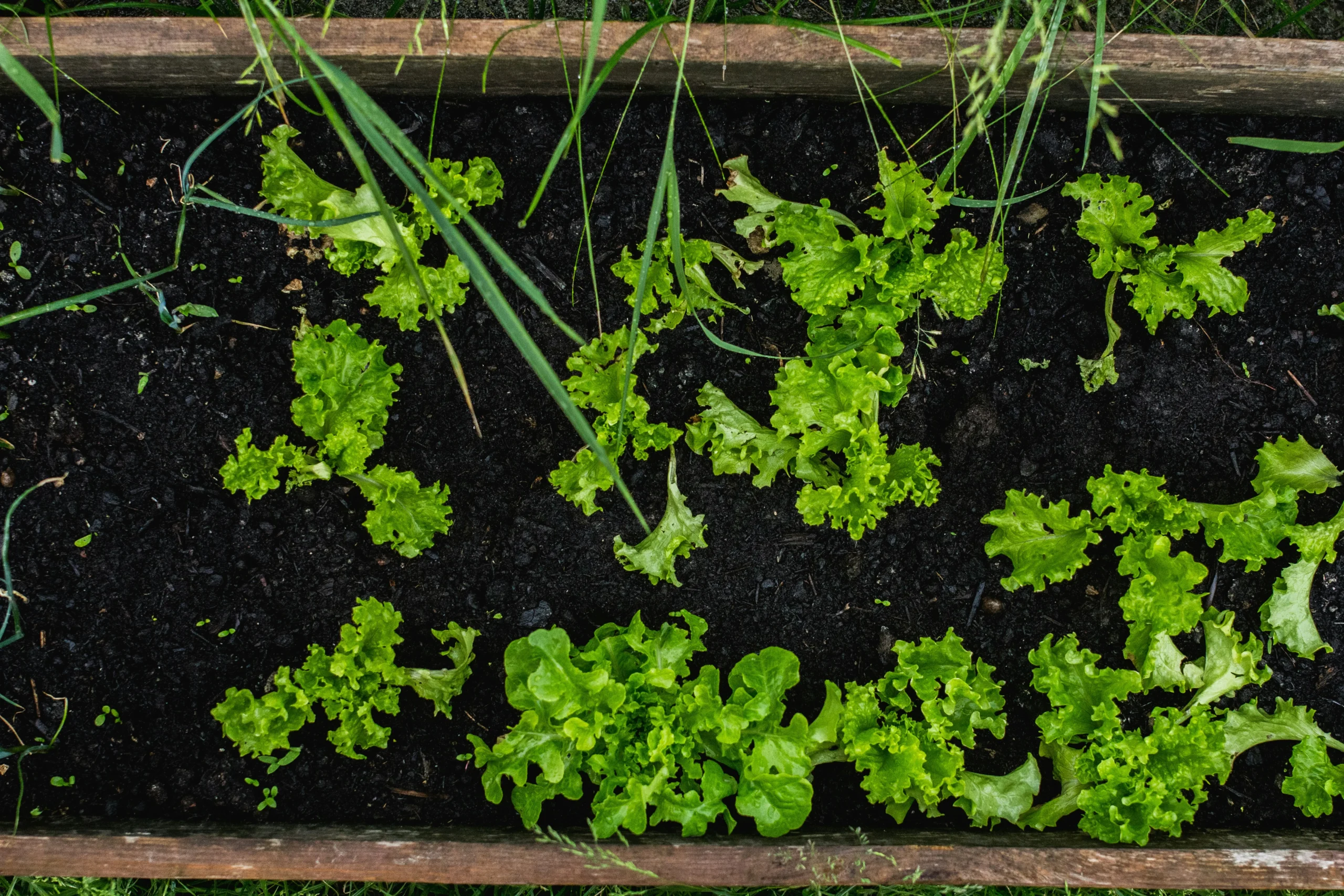
9 Vegetables to Plant Before July Ends (Don’t Miss This)
Every year around this time, my inbox fills up with the same panicked message: “I thought my garden season was over — is it too late to plant anything?” Here’s the truth. It’s not too late. In fact, some of my best fall harvests started with seeds I tossed in the ground during the last week of July, half-convinced I’d wasted my time. If you’re wondering which vegetables to plant before July ends, you’ve got more options than you’d think, and a few of them actually prefer the heat you’re dealing with right now.
I’ve gardened in three different climate zones over the past decade, and one thing stays true everywhere: late July is a second chance, not a last resort. Let’s get into what actually works.
I still remember the first time someone told me to plant in late summer. I laughed, honestly. My garden felt spent by then — leggy tomato vines, bolted lettuce, soil that looked tired. But I tried it anyway because I had nothing to lose, and that stubborn little experiment changed how I plan my whole growing year now.
17 Spectacular Flowering Shrubs Every Garden Needs A complete guide to 17 reliable flowering shrubs that provide continuous color, structure, and fragrance from spring through fall.
Why Late July Planting Isn’t Too Late
I used to assume gardening had one window — spring — and if you missed it, you waited until next year. Then a neighbor talked me into planting bush beans in late July, and I harvested them well into October.
The soil is warm. Seeds germinate fast, sometimes in half the time they’d take in cool spring dirt. And many crops count backward from your first fall frost date, not forward from summer’s start. If your first frost lands in mid-October, you’ve got roughly 80–90 days to work with. That’s plenty for a lot of vegetables.
There’s also less pest pressure than early spring in some regions. Slugs and early-season aphids tend to thin out by late summer, which means fewer chewed leaves and less time spent picking bugs off your seedlings by hand. I noticed this the first year I tried a late planting — my beet greens came in almost untouched, while my spring beets had been lace by the time they were three inches tall.
The one thing you do need to respect is your region’s first frost date. Everything else on this list bends around that single number.
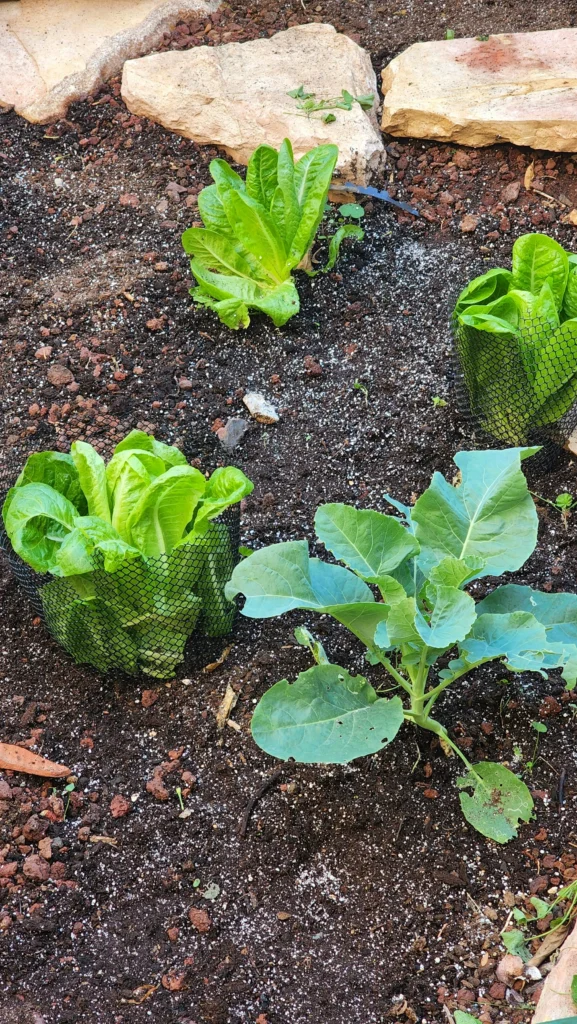
9 Vegetables to Plant Before July Ends for a Fall Harvest
I’m going to walk through each one with real timing, not vague “plant in fall” advice that leaves you guessing.
1. Bush Beans
Bush beans mature in about 50–55 days, which makes them almost foolproof for late July. Direct-sow seeds an inch deep, about 4 inches apart. I’ve had rows come up in five days flat when soil temps sat around 75°F.
Skip pole beans this late — they take longer and need trellising you don’t have time to build before frost threatens.
One thing I’ve learned the hard way: don’t soak bean seeds before planting in late summer like some guides suggest for spring. In warm soil, presoaked seeds can rot before they even sprout. Dry seed straight into moist soil works better this time of year.
2. Beets
Beets handle heat better than people give them credit for. Sow seeds a half-inch deep and thin seedlings to 3–4 inches apart once they sprout. I always forget to thin mine, and I end up with beets the size of golf balls instead of fists. Lesson learned, repeatedly.
They’re ready in 50–60 days, and the greens are edible too, so nothing goes to waste.
3. Carrots
Carrots planted now often taste sweeter than spring carrots because cooler fall nights push sugars into the roots. Aim for varieties that mature in 60–70 days. Keep the soil consistently damp for the first two weeks — carrot seeds are notoriously slow and stubborn about germinating in dry, cracked soil.
I lay a board or a strip of burlap over freshly seeded carrot rows for the first week. It traps moisture and keeps the surface from crusting over, which is the main reason carrot seeds fail to sprout in late-summer heat. Just remember to check daily and pull the cover the moment you see sprouts, or you’ll end up with pale, stretched-out seedlings.
4. Summer Squash
If you’ve got 50 days before your first frost, summer squash (zucchini and yellow squash) is worth a shot. I plant mine in hills, two to three seeds per hill, then thin to the strongest seedling. One squash plant produces more than most households can eat, so don’t overdo it unless you’re planning to give some away.
5. Cucumbers
Cucumbers love the heat of late July and mature in about 50–60 days. Bush varieties work better than vining ones for a late planting since they don’t need as much time to sprawl. Water deeply, maybe an inch a week, or you’ll end up with bitter, misshapen fruit — I’ve made that mistake during a dry August.
6. Kale
Kale actually improves with a light frost, which makes it one of the most forgiving choices on this list. Direct-sow seeds a quarter-inch deep, 3 inches apart, and thin later. It matures in about 55–65 days but you can start harvesting outer leaves earlier.
A light frost converts some of the starches in kale leaves into sugars, which is why fall kale often tastes noticeably milder than summer kale. If you’ve written kale off as bitter and tough, a late-July planting might genuinely change your mind about it.
7. Turnips
Turnips are underrated. They mature fast, usually 40–60 days, and tolerate poor soil better than most root vegetables. Sow directly, half an inch deep, and thin to 4 inches apart. Both the roots and the greens are edible, which makes this one of the better two-for-one crops you can plant before July ends.
8. Swiss Chard
Chard is nearly indestructible once established. It handles heat, light frost, and neglect better than almost anything else on this list. Sow seeds a half-inch deep and expect harvest in 50–60 days, though you can pull baby leaves sooner.
9. Bush Cucamelons or Quick Radish Rounds
If you want something genuinely fast, radishes mature in as little as 25–30 days. I usually tuck a row in between slower crops just to have something to harvest while I’m waiting on everything else. Sow a half-inch deep, an inch apart, and thin if they come up crowded.
8 Everyday Foods With More Calcium Than Milk Discover 8 surprisingly common, nutrient-dense foods that deliver a higher concentration of calcium than a standard glass of milk.
Adjusting for Your Region and Zone
Not every garden faces the same calendar. Someone in a warmer zone with a first frost in late November has a much wider margin than someone whose ground freezes by early October. A little region-specific thinking goes a long way here.
Warmer, southern zones (frost after mid-November): You’ve got room to be a little more adventurous. Some gardeners in these regions squeeze in a second round of summer squash or even a fast-maturing sweet corn variety, though corn is a stretch for most late-July timelines.
Middle zones (frost in mid-to-late October): Stick close to the list above. Everything on it fits comfortably within an 80–90 day window, with a little buffer for a slow start or a rainy stretch that delays germination.
Cooler, northern zones (frost by late September or early October): Lean hard into the fastest crops — radishes, turnips, and bush beans. Carrots and beets can still work, but you’ll want to plant them in the very first days of the window rather than waiting until July 31st.
I made the mistake once of planting carrots in a northern zone garden on the last possible day of July. They technically matured, but a surprise early frost caught them before they’d sized up properly. Now I always plant the slower crops on this list first and save the fast ones, like radishes, for whatever days I have left.
25 Best Small Bedroom Ideas That Will Surprise You Learn 25 clever design hacks—from strategic mirror placement to optical color illusions—that make tight bedrooms feel instantly larger and more open.
Quick-Reference Checklist: What to Plant and When
Before you head outside, here’s a fast checklist to keep on your phone or tucked in a garden notebook:
- Bush beans — direct sow, 50–55 days to harvest
- Beets — direct sow, thin seedlings, 50–60 days
- Carrots — direct sow, keep soil moist, 60–70 days
- Summer squash — hills of 2–3 seeds, 50 days
- Cucumbers — bush variety preferred, 50–60 days
- Kale — direct sow, tolerates frost, 55–65 days
- Turnips — direct sow, edible greens too, 40–60 days
- Swiss chard — direct sow, very forgiving, 50–60 days
- Radishes — fastest option, 25–30 days
Vegetables at a Glance: Days to Harvest and Frost Tolerance
| Vegetable | Days to Harvest | Frost Tolerant? | Best Planting Method |
|---|---|---|---|
| Bush Beans | 50–55 | No | Direct sow |
| Beets | 50–60 | Yes, light frost | Direct sow |
| Carrots | 60–70 | Yes, light frost | Direct sow |
| Summer Squash | 50 | No | Hills, direct sow |
| Cucumbers | 50–60 | No | Direct sow (bush type) |
| Kale | 55–65 | Yes, improves with frost | Direct sow |
| Turnips | 40–60 | Yes, light frost | Direct sow |
| Swiss Chard | 50–60 | Yes, light frost | Direct sow |
| Radishes | 25–30 | Yes, light frost | Direct sow |
How to Actually Get These Vegetables in the Ground
Reading a list is easy. Getting decent results takes a bit more care, especially when you’re racing the calendar. Here’s the process I follow every late-July planting session.
- Check your first frost date. Search your zip code plus “first frost date” and count backward from there for each crop’s days-to-harvest number.
- Loosen and refresh the soil. Summer soil gets compacted and depleted from spring crops. Work in an inch or two of compost before planting anything new.
- Water the bed the day before planting. Dry, baked soil resists seeds. A deep soak beforehand makes a real difference in germination speed.
- Sow at the right depth. Too shallow and seeds dry out; too deep and they struggle to reach the surface. Follow the seed packet, not guesswork.
- Shade seedlings for the first week if it’s brutally hot. A light row cover or even a propped-up cardboard strip can prevent young sprouts from frying in afternoon sun.
- Water daily until germination. Late-summer heat dries topsoil fast, sometimes within hours.
- Thin seedlings once they have true leaves. I know it feels wasteful, but crowded plants compete for water and end up smaller overall.
- Mulch once seedlings are established. A thin layer of straw or shredded leaves keeps soil temperature steady and cuts down on watering chores.
Common Mistakes to Avoid
I’ve made most of these myself, so consider this a shortcut past the trial-and-error phase.
Planting heat-lovers too late. Tomatoes, peppers, and melons need too many days to mature from a late-July start in most zones. Save those for next spring.
Skipping the frost date math. Guessing instead of checking your actual frost date is the single biggest reason late-summer gardens fail. Ten minutes of research saves weeks of disappointment.
Letting seedlings dry out. Late summer sun is unforgiving. Miss one hot afternoon of watering and you can lose an entire row of carrot seedlings.
Overcrowding. It’s tempting to sow thickly “just in case,” but thinning is not optional. Crowded roots stay small and greens get leggy.
Ignoring soil depletion. If spring crops already grew there, the soil is tired. Skipping compost before a second planting usually shows up as stunted growth a few weeks later.
Assuming all vegetables follow the same rules. Heat-lovers, frost-tolerant crops, and fast-maturing roots all behave differently in late summer. Treating this list as one-size-fits-all is how gardeners end up disappointed with a few crops while others thrive right next to them.
Stretching the Harvest with Simple Season Extenders
If your frost date is cutting it close, a few cheap tools buy extra weeks. Row covers, cold frames, or even an overturned bucket on a cold night can protect young plants. I’ve used old bed sheets in a pinch when an early frost warning caught me off guard, and it worked well enough to save an entire bed of chard.
None of this requires expensive equipment. It’s mostly about paying attention to the forecast and being willing to cover plants for one or two rough nights.
FAQ: Late July Vegetable Planting
Final Thoughts
Late July always feels like it should be the tail end of gardening season, but it’s really just a shift into round two. I’ve had some of my most satisfying harvests come from crops I planted almost as an afterthought during a heat wave, half-expecting nothing to come of it. Give a few of these a try. Worst case, you’ve got a little more green in the yard. Best case, you’re pulling fresh beets and crunchy radishes out of the ground while everyone else has already packed it in for the year.
3 Comments