25 Small Bedroom Ideas: Sleep Better in Tight Spaces
I lived in a tiny studio for three years where my bedroom was basically a bed with a nightstand squeezed beside it and a closet you couldn’t fully open. Every night, I’d lie there feeling claustrophobic, and I honestly thought my sleep problems were just… something I had to accept. Then I started experimenting with the space intentionally, and everything changed. The 25 small bedroom ideas I’m sharing come from that painful experience and years of helping friends and family transform their own compact sleeping spaces.
What shocked me most was that better sleep wasn’t about getting a bigger room—it was about designing the space I had strategically. Within a month of implementing just five changes, my sleep improved noticeably. My stress levels dropped. I stopped waking up feeling like the walls were closing in. That tiny room actually became my favorite place in the apartment. This guide covers what genuinely works for small bedrooms and why it matters for your overall wellness.
17 Best Flowering Shrubs for Constant Visual Impact Stop spending money replanting leggy annuals every single spring. Discover 17 hardy, reliable flowering shrubs that require minimal maintenance, thrive in diverse soil conditions, and actually get more productive and beautiful with each passing year.
Why Small Bedroom Design Actually Impacts Your Sleep
Before we jump into specific ideas, let me explain why this matters beyond aesthetics. Your bedroom environment directly affects your sleep quality, which affects everything else—mood, immune system, stress levels, and energy. A poorly designed small bedroom creates constant low-level stress: visual clutter triggers anxiety, poor lighting interferes with melatonin production, and feeling cramped activates your fight-or-flight response.
I didn’t realize this when I was lying awake in my tiny room. But a sleep researcher friend explained that your brain reads a cramped, cluttered space as unsafe, even subconsciously. Good news? Strategic small bedroom design can actually override that response.
The 25 small bedroom ideas aren’t about expensive renovations. Most are about working with your constraints intelligently. A well-designed small bedroom can feel more restful than a large messy one.
Smart Storage: The Foundation of Small Bedroom Success
If there’s one thing that changes everything in a small bedroom, it’s storage. Not decorative storage—actual storage that keeps clutter invisible.
Under-bed storage is your secret weapon. I use low-profile rolling bins under my bed for out-of-season clothes, extra bedding, and items I don’t access weekly. Make sure bins are on wheels so you can pull them out easily. High-sided bins that block airflow under the bed can trap moisture, which isn’t great for sleep quality or the items stored there.
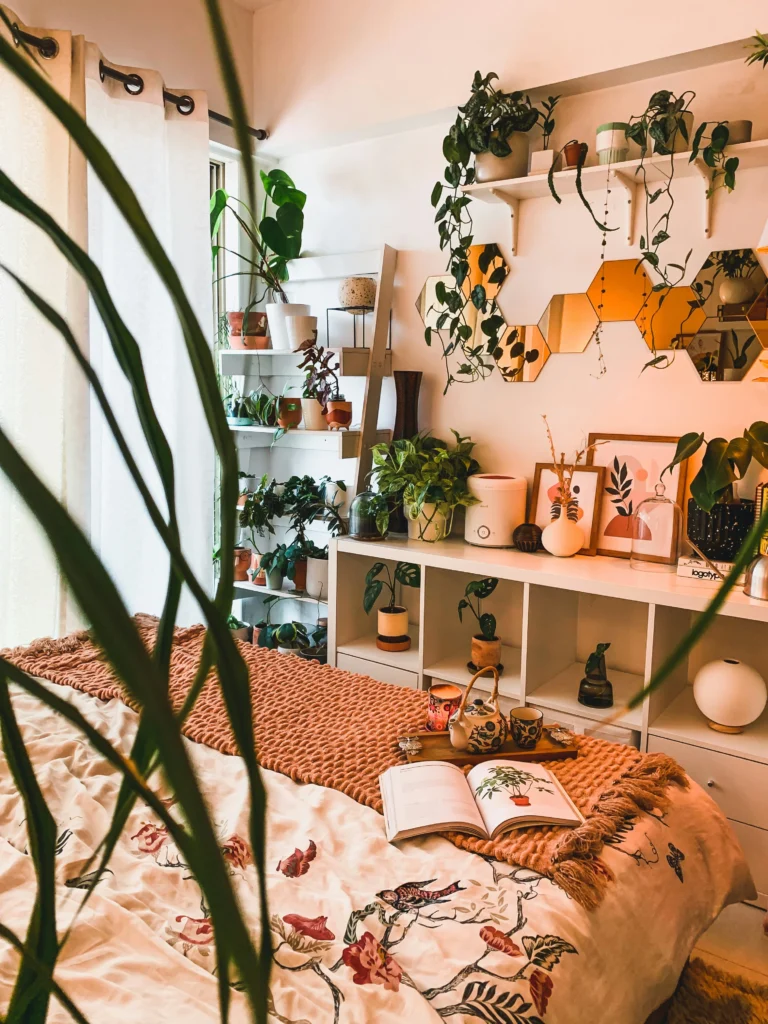
Vertical storage means everything. Wall-mounted shelves, hanging organizers, and tall bookcases use the space you have without eating into floor area. I added floating shelves above my nightstand and suddenly had space for books, a lamp, and a small plant without a bulky dresser.
Closet optimization is crucial. Installing double rods (one regular height, one higher) basically doubles your hanging space. Add shelf dividers so folded items don’t tumble out every time you grab something. A closet rod extender lets you hang more items without overcrowding.
Headboard storage is genius if you’re open to it. Some headboards have built-in shelving or cubbies. I mounted a headboard with shelves, and it holds books, a small lamp, and a plant—things that would otherwise need surface space on a nightstand.
The principle here: storage should be invisible. Visible clutter=stress. Hidden storage=peace.
8 Everyday Foods With More Calcium Than Milk A practical nutrition guide covering 8 everyday foods that contain higher calcium concentrations than dairy, complete with serving size comparisons and easy ways to add them to your weekly meals.
Furniture Choices That Don’t Sacrifice Space
In small bedrooms, every piece of furniture needs to earn its place. I made the mistake early on of buying a dresser that ate up a quarter of my floor space. Huge regret.
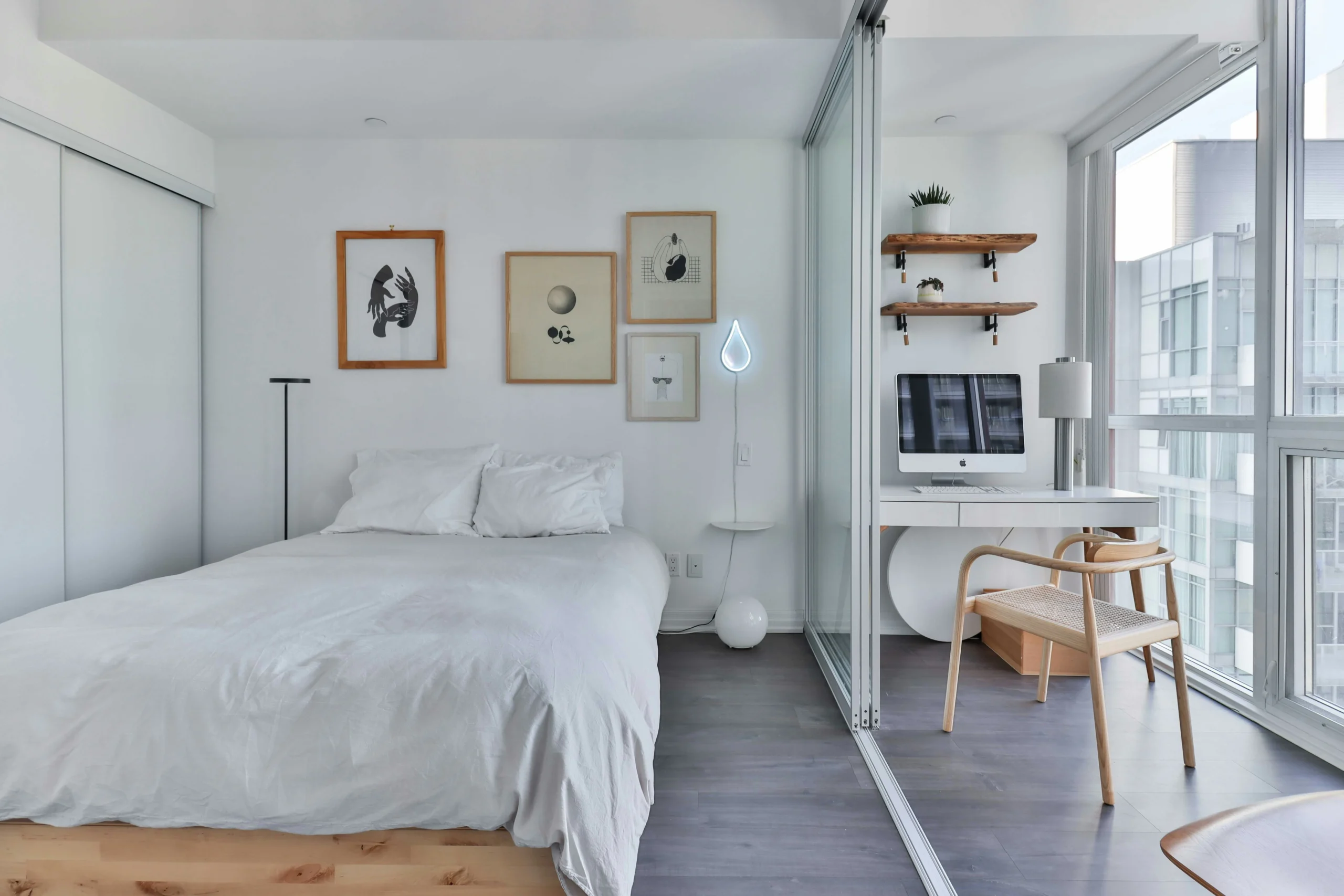
A low-profile bed frame (or skipping the frame entirely and using a platform) creates the illusion of more space than a traditional high bed with a box spring underneath. The visual openness matters more than you’d think.
A compact nightstand or wall-mounted shelf works way better than a traditional nightstand. I use a small floating shelf mounted at bedside height. It holds my lamp, phone, and a water glass without taking up square footage.
A storage ottoman instead of a traditional dresser gives you seating, hidden storage, and uses vertical space efficiently. I can sit on mine to put on shoes and keep blankets, off-season clothes, and extra pillows inside.
A slim desk (if you need one) can be wall-mounted or tucked in a corner. Some people use a desktop that folds down when not in use.
Skip furniture you don’t actually use. I removed a chair that was supposed to make the room feel “cozy” but just sat empty and looked cramped. Negative space is valuable in a small room.
The No. 1 High-Protein Snack Nutrition GuideDescription: A comprehensive nutritional review of the ultimate high-protein snack, complete with macronutrient profiles, health benefits, and quick serving ideas to optimize your daily diet.
25 Small Bedroom Ideas: The Complete List
Rather than overwhelming you with all 25 right away, I’ve organized them by category so you can focus on what matters most for your space.
Storage & Organization (Ideas 1-8)
- Rolling under-bed storage containers — Access items without moving the bed
- Floating shelves above desk or dresser area — Vertical storage without floor footprint
- Over-the-door hooks and organizers — Maximize closet and bedroom door space
- Drawer dividers and shelf risers — Double your dresser storage capacity
- Wall-mounted coat rack — Hang frequently worn items instead of draping on chairs
- Hanging organizer pockets on closet rod — Store accessories, scarves, belts vertically
- Corner shelf unit — Claim usually wasted corner space
- Tiered shelf risers under bed — Create multiple storage layers in tight underbed spaces
Furniture & Layout (Ideas 9-14)
- Platform bed with built-in drawers — Bed frame doubles as storage
- Wall-mounted desk — Full workspace without taking up floor area
- Storage ottoman with lift top — Hidden storage plus seating
- Tall narrow bookcase — Vertical storage that doesn’t crowd the space
- Bed against the longest wall — Standard positioning maximizes floor space
- Floating nightstand shelf — Eliminates nightstand footprint while keeping function
Lighting & Ambiance (Ideas 15-18)
- Layered lighting (overhead, task, accent) — Flexibility without a cluttered look
- Dimmable bedroom lighting — Supports natural sleep-wake cycles
- Under-bed LED strips — Creates visual spaciousness and sets calm mood
- Wall sconces instead of lamps — Bedside light without furniture or cords cluttering surfaces
Color & Texture (Ideas 19-21)
- Light, neutral wall color — Makes small spaces feel larger and calmer
- Monochromatic bedding — Creates visual flow instead of breaking up the space
- Soft textures (linen, cotton, velvet accents) — Improves sleep comfort and reduces visual harshness
Spatial Illusions & Finishing Touches (Ideas 22-25)
- Large mirror on one wall — Reflects light and creates depth illusion
- Minimal window treatments — Sheer curtains maintain light and openness
- Plants in corners — Softens edges and improves air quality without taking desk space
- Quality bedding and one statement pillow — Elevates the entire room without clutter
The Small Bedroom Design Framework: Step-by-Step
If you’re feeling overwhelmed, here’s how I approach redesigning a small bedroom:
Step 1: Assess your actual needs (1-2 hours)
What do you do in this bedroom? Sleep, obviously. But also? Work? Dress? Read? List everything, because your design should support these activities without redundant furniture.
Step 2: Measure and map out the space (30 minutes)
Seriously. Grab a tape measure. Measure walls, ceiling height, closet dimensions. Sketch a rough layout. This prevents buying furniture that doesn’t fit.
Step 3: Tackle storage first (1-2 weeks)
Add storage containers, shelves, and organizers before worrying about aesthetics. A clean, organized small bedroom looks bigger automatically.
Step 4: Choose your bed and one anchor furniture piece (1 week)
Your bed is the largest item. Choose that first, then one other piece (dresser, desk, or ottoman). Everything else builds around these.
Step 5: Optimize lighting (1 week)
Install or rearrange lighting for layered illumination. Good lighting makes small spaces feel less cramped and supports better sleep.
Step 6: Refine details (ongoing)
Colors, textures, minor touches. These matter but only after the bones are solid.
Quick Reference: Before & After Small Bedroom Checklist
| Problem | Solution from 25 Small Bedroom Ideas | Impact |
|---|---|---|
| Clutter visible everywhere | Invest in hidden storage (under-bed, wall-mounted shelves) | Feels 20% larger, reduces stress |
| Limited surface space | Floating shelves + wall sconces instead of lamps | Nightstand stays clear, functional |
| Feels cramped and dark | Light colors + layered lighting + large mirror | Visually spacious, better sleep environment |
| No workspace | Wall-mounted or corner desk | Multi-functional without sacrificing sleeping area |
| Bed takes up entire room | Platform bed with drawers + vertical storage | Reclaims 15-20% floor space visually |
| Cold/uninviting atmosphere | Soft textures + plants + one statement element | Restful without clutter |
| Poor sleep quality | Dimmable lights + minimal visual clutter + calm colors | Better sleep, lower stress |
Common Mistakes People Make With Small Bedrooms
1. Buying furniture before measuring.
I’ve seen people cram a queen bed and two nightstands into a tiny room where a full bed would have been smarter. Measure first, buy second.
2. Using dark colors thinking they’ll be “cozy.”
Dark colors make small spaces feel smaller and can actually worsen sleep by reducing light in the room. Light colors make small rooms feel more open. Save dark colors for accents, not walls.
3. Ignoring vertical space.
People focus on floor space and forget that walls go up. Floating shelves, tall bookcases, and wall-mounted storage are game-changers in small bedrooms.
4. Keeping furniture “for when you have more space.”
That extra chair, the decorative side table, the second dresser you “might use”—if it doesn’t serve your current space, it’s just taking up room and creating stress. Get honest about what you actually need.
5. Overlooking lighting.
People stick with one overhead light and wonder why their small bedroom feels depressing. Layered lighting (overhead, task, accent) transforms the space and supports better sleep.
6. Not using storage to its full potential.
Under-bed space, closet corners, wall space above doorways—so much hidden storage gets ignored. Claim every inch.
7. Choosing style over function.
That gorgeous but impractical nightstand? It won’t serve you if you can’t access it or it makes the room feel cramped. Pretty matters, but practical matters more in small bedrooms.
Small Bedroom Wellness: Why This Matters Beyond Appearance
Here’s something I didn’t expect when I started redesigning my tiny room: better sleep architecture. When your bedroom environment supports sleep—through organization, lighting, color, and calm design—you actually sleep deeper.
I wasn’t conscious of this change until my partner mentioned I wasn’t tossing and turning as much. My sleep tracker showed increased deep sleep time. I wasn’t doing anything physically different, but my environment was supporting better rest.
Small bedrooms can optimize sleep better than large ones, actually. There’s less space for your nervous system to scan for threats. Temperatures regulate faster in smaller rooms. Sound doesn’t travel as much. The trick is removing the things that create stress—clutter, poor lighting, feeling cramped—and letting the natural advantages of a compact room shine.
This is why sleep quality in small bedrooms is often better than you’d expect. You’re not fighting your space; you’re working with it.
FAQ: Your Small Bedroom Questions Answered
Making Your Small Bedroom Work for You
The 25 small bedroom ideas aren’t a checklist where you need to implement all of them. They’re options based on different needs and constraints. Pick 3-5 that address your specific problems, implement those thoroughly, then evaluate what else would help.
For me, the game-changers were storage (particularly under-bed and floating shelves), lighting (dimmable overhead plus wall sconces), and color (soft neutral walls). Someone else might prioritize a workspace, good ventilation, or maximizing mirror reflection.
Your small bedroom is asking you one simple question: “What matters most to you about this space?” If it’s sleep, prioritize lighting and color. If it’s function, prioritize storage and furniture placement. If it’s both, layer thoughtfully.
The beautiful thing about small bedrooms? They force intentionality. You can’t just fill space mindlessly. Every choice matters. And that usually results in a more thoughtfully designed, actually more functional bedroom than sprawling rooms where stuff gets lost and forgotten.
Your Tiny Room Is an Opportunity, Not a Limitation
I don’t look back at my tiny studio bedroom with regret anymore. I look back and think about how much it taught me about intentional space design. That cramped room became my favorite space in the apartment because I learned to work with its constraints instead of against them.
Your small bedroom doesn’t need an expensive renovation or complete overhaul. Start with one idea from this list—maybe it’s adding under-bed storage or installing floating shelves. Notice how the space feels different. Then layer in another idea. Within a few months of small changes, your bedroom transforms from feeling cramped into feeling intentional, calm, and genuinely restful.
The best part? Once you understand small space design, you can apply it anywhere. You’ll move through the world seeing possibilities in tight corners and unused vertical space. That’s not a limitation—that’s design literacy. And it starts in your bedroom.