From Sapling to Harvest: How Often to Water a Peach Tree for Bigger, Sweeter Fruit Every Season
You planted your peach tree with high hopes. You watered it regularly, gave it sunlight, and waited patiently. But come harvest time, the fruit was small, bland, or barely there.
Here’s the truth most gardening guides won’t tell you: watering is the single most controllable factor that determines whether your peaches are plump and sweet — or dry and disappointing.
Knowing how often to water a peach tree for bigger, sweeter fruit is not just about turning on the hose every few days. It’s about understanding your tree’s real needs at every stage of its life. Get this right, and your peach tree will reward you with fruit so good, you’ll wonder why you ever bought peaches from a store.
Let’s dig in.
Why Watering Frequency Matters More Than You Think
Most people either water too much or too little. Both are problems.
Overwatering causes root rot, fungal diseases, and soft, flavorless fruit. Underwatering stresses the tree, causes premature fruit drop, and results in small, dry peaches with tough skin.
The sweet spot — and yes, it directly affects sweetness — is deep, infrequent watering that encourages roots to grow downward and access nutrients from deeper soil layers.
When roots go deep, the tree becomes more drought-tolerant and draws up minerals that boost fruit flavor. Shallow, frequent watering does the opposite. It keeps roots near the surface, making the tree weaker and the fruit less flavorful.
The Science Behind Sweeter Peaches
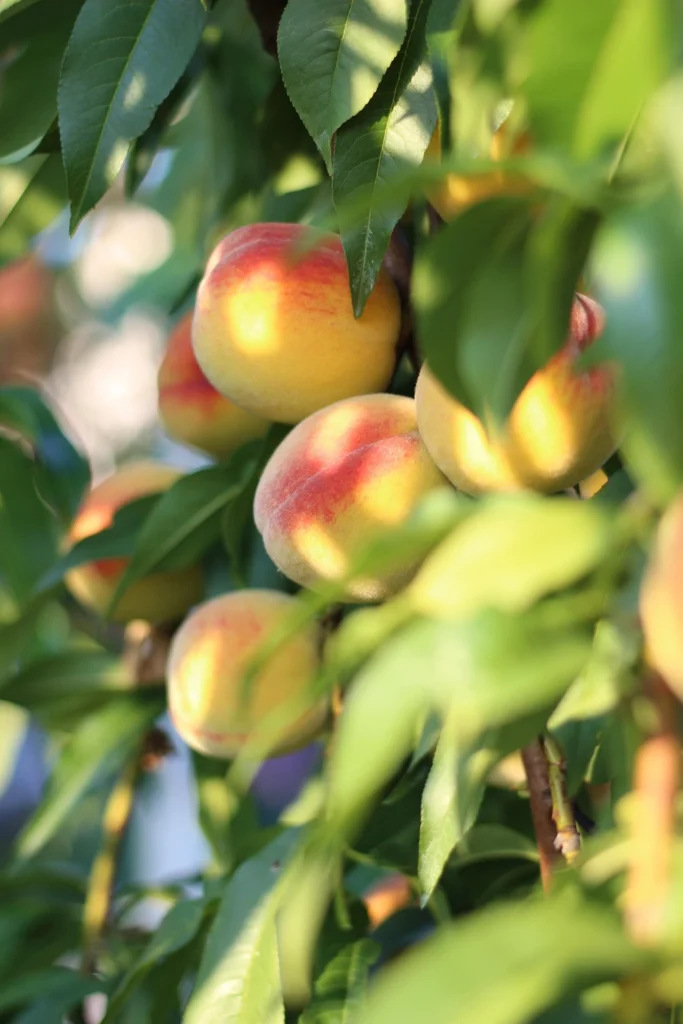
Sugar content in peaches is directly tied to how the tree manages water stress. A slight, controlled water deficit during the final weeks before harvest actually concentrates sugars in the fruit. This is a technique professional orchardists use.
It’s not about depriving your tree — it’s about timing your watering strategically.
How Often to Water a Peach Tree: A Seasonal Guide
The answer changes with the seasons, and that’s exactly what most generic guides miss. Let’s break it down properly.
Spring: Blossom and Early Fruit Development
Spring is critical. Your tree is waking up, blossoming, and setting fruit. This is when consistent moisture matters most.
Watering frequency in spring:
- Young trees (1-3 years): Every 5-7 days
- Established trees (4+ years): Every 10-14 days
- Amount per session: 10-15 gallons for young trees, 20-30 gallons for mature trees
The soil should be moist 12-18 inches deep. Use a long screwdriver or moisture meter to check. If it slides in easily, moisture is good. If it hits resistance at 6 inches, water more.
Summer: Peak Growing Season
Summer heat increases water demand significantly. This is when knowing how often to water a peach tree for bigger, sweeter fruit really pays off.
Watering frequency in summer:
- Young trees: Every 3-5 days during heat waves
- Established trees: Every 7-10 days
- During temperatures above 90°F: Increase by 25-30%
Pro Tip: Water in the early morning, between 6-9 AM. This reduces evaporation and gives leaves time to dry before evening, preventing fungal issues.
Late Summer: The Pre-Harvest Sweet Spot
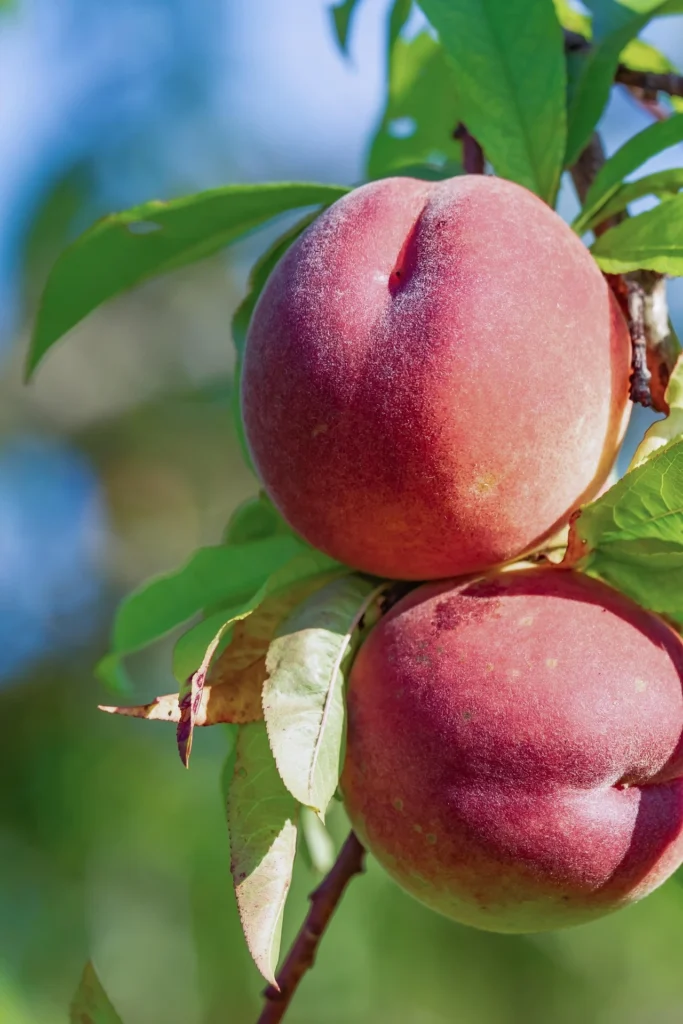
Here’s where it gets interesting. About 3-4 weeks before your peaches are ready to pick, slightly reduce watering.
This gentle stress tells the tree to push sugars into the fruit. Many home gardeners skip this step and end up with watery, bland peaches. Professional peach farmers swear by it.
How to reduce:
- Extend your watering interval by 3-4 days
- Don’t eliminate water completely — just reduce frequency
- Watch the leaves. If they start curling slightly in afternoon heat, give a light drink
Fall: Preparing for Dormancy
After harvest, the tree needs to prepare for winter. Continue regular watering until the first frost, then reduce significantly.
Watering frequency in fall:
- Every 14-21 days until leaves drop
- Stop watering 4-6 weeks before expected hard frost
- One deep watering before winter sets in helps roots survive cold
Winter: Rest Period
Most established peach trees in cold climates need little to no supplemental water in winter. Rainfall usually handles it.
- In dry winter climates: Water once a month if there’s been no rain
- Young trees: Check soil moisture monthly and water if top 3 inches are bone dry
How Much Water Does a Peach Tree Actually Need?
Frequency is only half the equation. Volume matters just as much.
| Tree Age | Water Per Session | Frequency (Summer) | Frequency (Spring/Fall) |
|---|---|---|---|
| 1 year old | 5-10 gallons | Every 3-4 days | Every 5-7 days |
| 2-3 years old | 10-15 gallons | Every 5-7 days | Every 7-10 days |
| 4-6 years old | 20-25 gallons | Every 7-10 days | Every 10-14 days |
| Mature (7+ years) | 25-40 gallons | Every 7-14 days | Every 14-21 days |
The general rule: 1-2 inches of water per week during the growing season, either from rain or irrigation combined.
Drip Irrigation vs. Hose Watering
Drip irrigation wins every time for peach trees. Here’s why:
- Delivers water directly to the root zone
- Reduces evaporation by up to 50%
- Keeps foliage dry (fewer fungal diseases)
- Allows precise control over volume
If you’re using a hose, water slowly in a wide circle around the tree — not directly at the trunk. The roots spread outward as wide as the tree’s canopy. That’s where water needs to go.
Signs You’re Watering Your Peach Tree Wrong
Signs of Underwatering
- Leaves look dull, dry, or curl inward
- Fruit drops early before ripening
- Peaches are small and have wrinkled skin
- Soil is cracked and pulls away from trunk
Signs of Overwatering
- Yellowing leaves, especially older lower leaves
- Soft, mushy fruit that rots before ripening
- Fungal spots on leaves or fruit
- Soil stays wet days after watering
- Sour or fermented smell near roots
If you spot these signs, adjust immediately. Plants are resilient — a few corrections can turn things around within 2-3 weeks.
Soil Type Changes Everything
Clay soil holds water much longer than sandy soil. This directly affects how often to water a peach tree for bigger, sweeter fruit depending on where you live.
| Soil Type | Water Retention | Adjust Frequency By |
|---|---|---|
| Sandy soil | Low (drains fast) | Water 25-30% more often |
| Loamy soil | Medium (ideal) | Follow standard schedule |
| Clay soil | High (drains slow) | Water 25-30% less often |
| Compacted soil | Very low absorption | Aerate before watering |
Quick test: Squeeze a handful of moist soil. If it holds its shape and crumbles when poked, it’s loamy and ideal. If it stays in a tight ball, it’s clay. If it falls apart immediately, it’s sandy.
The Role of Mulch in Peach Tree Watering
Mulch is your secret weapon for reducing watering frequency and improving fruit quality.
A 3-4 inch layer of organic mulch (wood chips, straw, or shredded leaves) around the base of the tree:
- Reduces evaporation by 30-50% — meaning you water less often
- Keeps soil temperature stable (roots hate extreme temperature swings)
- Slowly breaks down and adds nutrients to soil
- Prevents weeds that compete for water
How to mulch correctly:
- Clear the area 3-4 feet around the trunk
- Add a 3-4 inch layer of organic mulch
- Keep mulch 4-6 inches away from the actual trunk (prevents rot)
- Refresh mulch once a year in early spring
This one step alone can reduce your watering needs by nearly half while producing noticeably better fruit.
Common Mistakes to Avoid When Watering Peach Trees
Even experienced gardeners make these errors. Avoid them and you’ll already be ahead of most peach growers.
Mistake #1: Watering on a Fixed Calendar Schedule
Watering every Monday and Thursday sounds disciplined, but it ignores what actually matters — what the weather and soil are telling you. A rainy week means you skip watering. A heat wave means you add an extra session. Always check soil moisture before watering.
Mistake #2: Watering at the Trunk
Water poured directly at the trunk drains away from the root zone and can cause crown rot. Always water in a ring at least 18-24 inches from the trunk, extending to the drip line (the outer edge of the canopy).
Mistake #3: Frequent, Shallow Watering
Five minutes of daily watering trains roots to stay shallow. Shallow roots mean a weaker tree that struggles in drought and absorbs fewer nutrients. Always water deeply and less frequently.
Mistake #4: Ignoring Rainfall
Many gardeners stick to their schedule even after heavy rain. Use a simple rain gauge in your garden. If you received 1+ inch of rainfall, skip your next scheduled watering.
Mistake #5: Overwatering Young Trees
New gardeners often kill young trees with kindness. A newly planted peach tree should be watered thoroughly at planting, then left for 5-7 days. The roots need to work for moisture — this builds a stronger root system.
Mistake #6: Stopping Water Too Early in Fall
The tree continues to store energy after fruit harvest. Cutting off water immediately after picking stresses the tree heading into winter. Continue normal watering until leaves start dropping.
Practical Tips for Bigger, Sweeter Peaches Through Better Watering
These are the tips that separate good peach growers from great ones:
- Use a soil moisture meter — they cost under $15 and take the guesswork out completely
- Water deeply once rather than shallowly twice — always
- Combine mulching with drip irrigation for the lowest effort and best results
- Track your watering in a simple garden journal — noting weather, amounts, and tree response helps you spot patterns
- Add a rain gauge next to your tree so you always know exactly what nature has already provided
- Reduce water by 20% in the 3-4 weeks before harvest to concentrate fruit sugars — this single tip can noticeably improve sweetness
- Test your soil pH — peach trees prefer 6.0-6.5 pH. Wrong pH prevents proper nutrient absorption even with perfect watering
- Water the full root zone, not just near the trunk. The roots extend as wide as the branches above
Frequently Asked Questions
How often to water a peach tree in summer heat?
During peak summer, established peach trees typically need watering every 7-10 days. During heat waves with temperatures consistently above 90°F, increase to every 5-7 days. Always check soil moisture 6 inches deep before watering — moist soil means you can wait another day or two.
How deep should I water my peach tree?
Water should penetrate 18-24 inches into the soil to reach the deepest feeder roots. You can check this by pushing a long screwdriver into the soil after watering. If it slides in easily to 18+ inches, you’ve watered deeply enough. Shallow watering creates weak, surface-dependent roots.
Can I overwater a peach tree?
Absolutely, and it’s one of the most common causes of poor fruit quality and tree death. Signs of overwatering include yellowing leaves, fruit rot, and a sour smell near the root zone. If your soil stays wet for more than 3-4 days after watering, you’re watering too much or your drainage is poor.
Does watering frequency affect peach sweetness?
Yes, significantly. Consistent deep watering throughout the growing season ensures good fruit development. Then, reducing water slightly in the 3-4 weeks before harvest concentrates natural sugars in the fruit. This technique is used by professional peach orchards worldwide to improve flavor profiles.
Should I water my peach tree differently in different soil types?
Yes. Sandy soil drains quickly, requiring more frequent watering. Clay soil holds moisture longer, requiring less frequent watering but often needs aeration to prevent waterlogging. Loamy soil is ideal for peach trees and allows standard watering schedules to work effectively.
How do I know if my peach tree is getting enough water?
The most reliable method is a soil moisture meter. Without one, push a screwdriver 6-8 inches into the soil near (not at) the tree. If it slides in with moderate resistance and comes out with slightly moist soil clinging to it, moisture levels are good. Wilting leaves in morning hours (not afternoon) are a reliable sign of underwatering.
Conclusion: Water Smarter, Not More
Understanding how often to water a peach tree for bigger, sweeter fruit is really about developing awareness — of your soil, your climate, your tree’s age, and the season.
There’s no magic number that works for every tree in every yard. But the principles are universal: water deeply and infrequently, match your schedule to the season, use mulch to conserve moisture, and make that smart adjustment to reduce water in the final weeks before harvest.
Start applying even two or three of these strategies this season and you’ll likely notice a real difference in your peaches — larger, juicier, and sweeter than you’ve been getting.
Your peach tree has the potential to produce incredible fruit. Give it the right amount of water at the right times, and it absolutely will.
Happy growing! 🍑