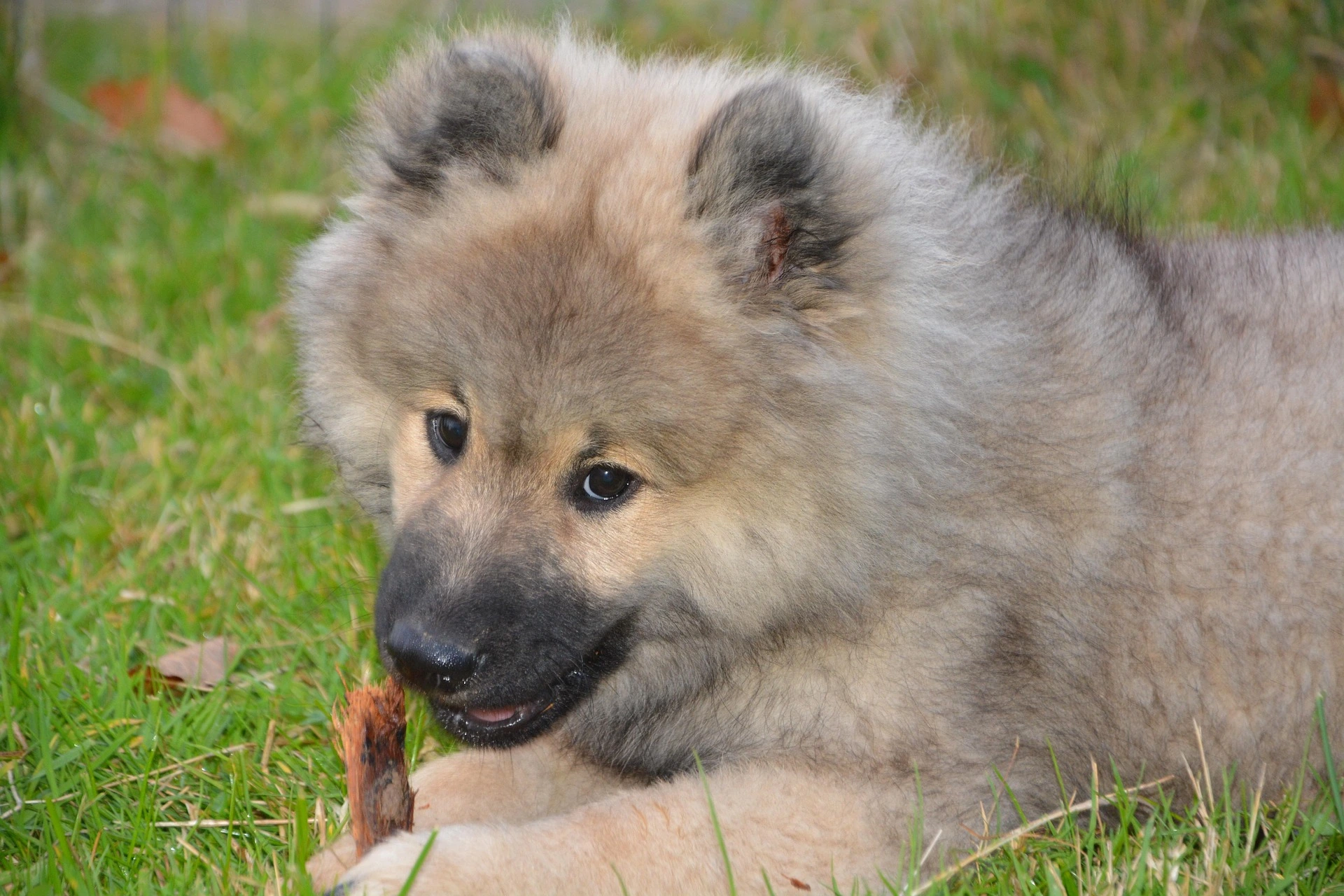
How to Train a Puppy Not to Bite: A Complete Step-by-Step Guide
If you’ve ever played with a puppy for five minutes and ended up with tiny scratches on your hands, you already know the struggle. Puppy biting is one of the most common — and most frustrating — challenges new dog owners face. Those needle-sharp teeth seem to find every inch of bare skin, and what starts as cute “puppy play” can quickly turn into a habit that follows your dog into adulthood if it’s not addressed early.
The good news? Puppy biting is completely normal, and in almost every case, it’s fixable. Puppies don’t bite because they’re aggressive or “bad.” They bite because it’s how they explore the world, relieve teething discomfort, and communicate during play. Your job isn’t to punish this instinct out of them — it’s to teach them what’s acceptable and what isn’t, just like a mother dog or littermate would.
In this guide, we’ll walk through exactly why puppies bite, the most effective training methods used by professional trainers, common mistakes to avoid, and a realistic timeline for seeing results. Whether you have a brand-new 8-week-old puppy or a 5-month-old who still hasn’t grown out of it, this article will give you a clear, practical roadmap.
Why Do Puppies Bite in the First Place?
Before you can train a How to Train a Puppy Not to Bite, it helps to understand what’s actually driving the behavior. Puppy biting usually falls into one of these categories:
- Teething: Between 3 and 6 months of age, puppies lose their baby teeth and grow adult ones. Chewing and biting relieve the discomfort, much like a teething baby gnawing on a toy.
- Exploration: Puppies don’t have hands, so they use their mouths to investigate textures, objects, and even people.
- Play behavior: In a litter, puppies bite each other constantly during play. It’s how they learn boundaries — when one puppy bites too hard, the other yelps and stops playing, teaching “bite inhibition.”
- Overstimulation: A tired or overexcited puppy often nips more because it hasn’t yet learned how to self-regulate.
- Attention-seeking: If biting gets a big reaction from you (even a negative one), some puppies repeat it simply because it works.
Understanding the root cause helps you choose the right response instead of guessing.
The Foundation: Bite Inhibition
The single most important concept in puppy bite training is bite inhibition — teaching your puppy to control the force of their mouth, even during excited play. A puppy that has learned solid bite inhibition may still mouth occasionally as an adult, but will never clamp down hard, even if startled or hurt.
Mother dogs and littermates start this lesson before a puppy ever comes home, but the process continues with you. Every time your puppy bites too hard and you respond appropriately, you reinforce the same lesson: “soft mouth, or the fun stops.”
Step-by-Step Training Methods That Actually Work
1. Use the “Yelp and Withdraw” Method
This mimics how littermates teach bite inhibition. The moment your puppy bites down too hard:
- Let out a sharp, high-pitched “Ow!” or “Ouch!”
- Immediately stop moving your hand and withdraw attention.
- Turn away or briefly leave the room for 10–20 seconds.
- Return and resume calm interaction.
The goal is to mimic the reaction a littermate would give — instant, clear feedback that biting ends the fun. Be consistent; if you laugh it off one time and react strongly the next, your puppy will get mixed signals.
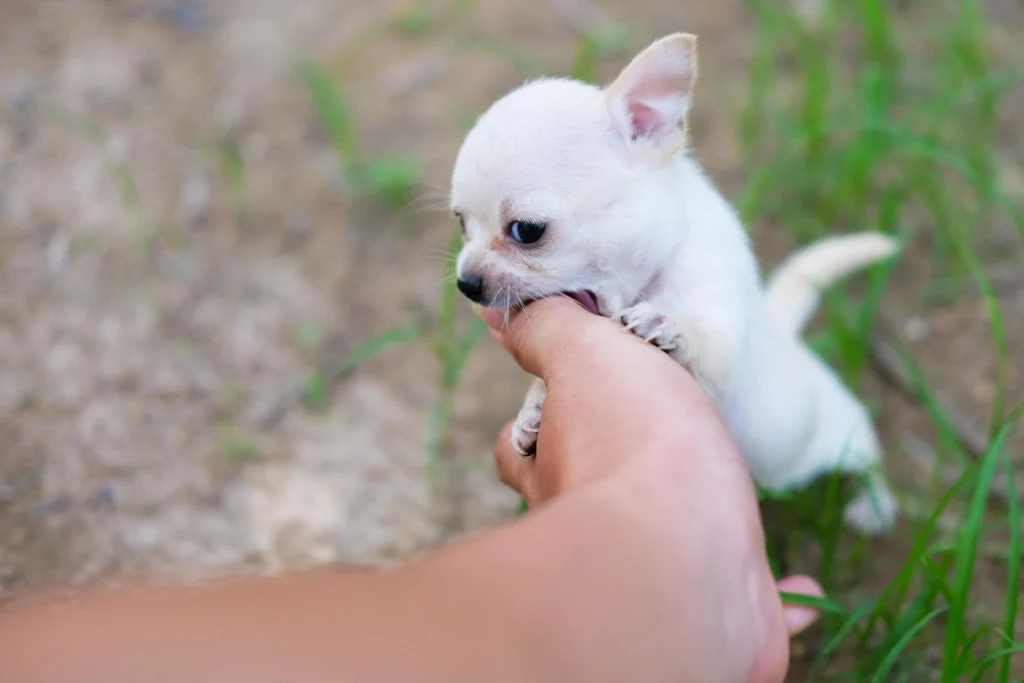
2. Redirect to an Appropriate Chew Toy
The moment you feel teeth on skin, calmly remove your hand and replace it with a toy, chew rope, or rubber chew item. This teaches your puppy that hands are off-limits, but toys are always fair game for biting and chewing.
Keep a toy within arm’s reach during play sessions so the redirection is instant — timing matters more than almost anything else in this process.
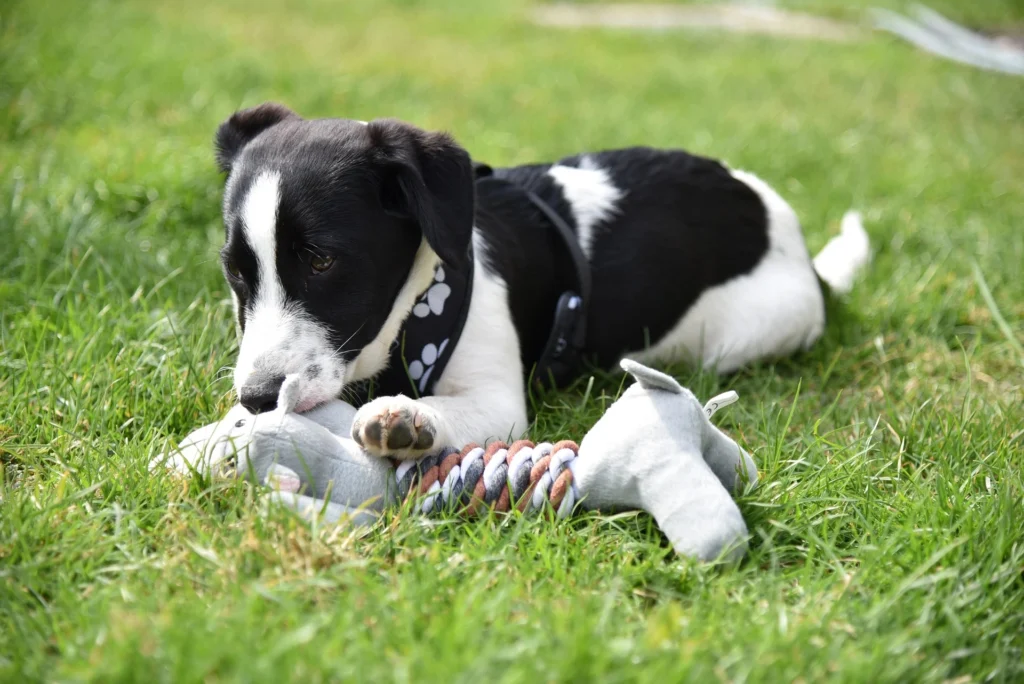
3. Implement Time-Outs for Repeated Biting
If your puppy continues biting after a yelp and redirection, it’s time for a short time-out:
- Calmly stand up and walk away.
- Place your puppy in a safe, boring space (a playpen or behind a baby gate) for 30–60 seconds.
- Return without scolding further — the time-out itself is the consequence.
This isn’t punishment in the traditional sense; it’s a natural consequence that removes the reward (your attention and play) when biting becomes too rough.
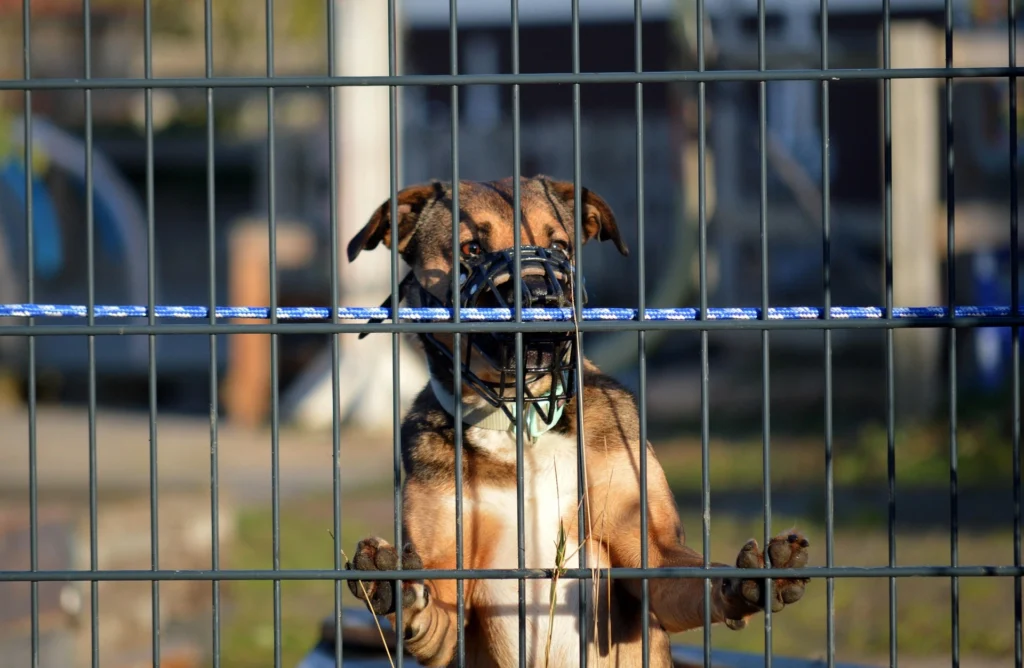
4. Teach a “Leave It” and “Gentle” Cue
Training basic obedience cues gives your puppy an alternative behavior to fall back on. Practice “leave it” with treats, then apply the same cue when your puppy goes for your hand or clothing. Pair calm, gentle mouthing with the word “gentle” and reward it — this teaches your puppy the difference between acceptable, soft contact and unwanted biting.
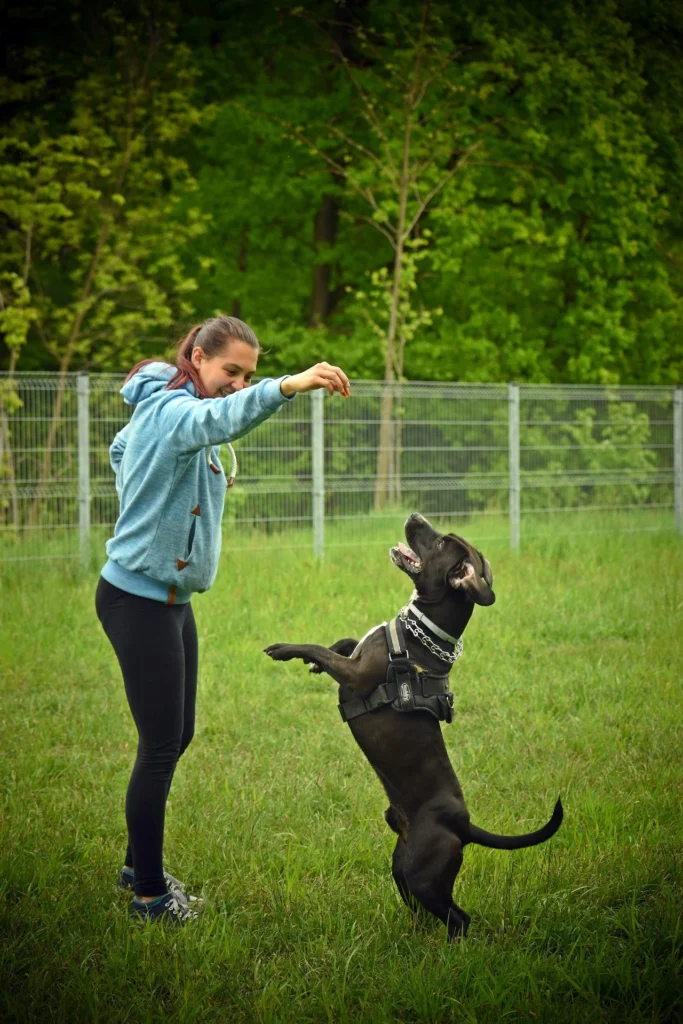
5. Manage Overstimulation and Energy Levels
A large percentage of puppy biting happens when puppies are overtired or under-exercised. Make sure your puppy gets:
- Age-appropriate physical exercise (short walks, supervised play)
- Mental stimulation (puzzle toys, sniffing games, basic training sessions)
- Adequate nap time — puppies need 18–20 hours of sleep a day
A well-exercised, mentally satisfied puppy bites significantly less than one who is bored or wound up.
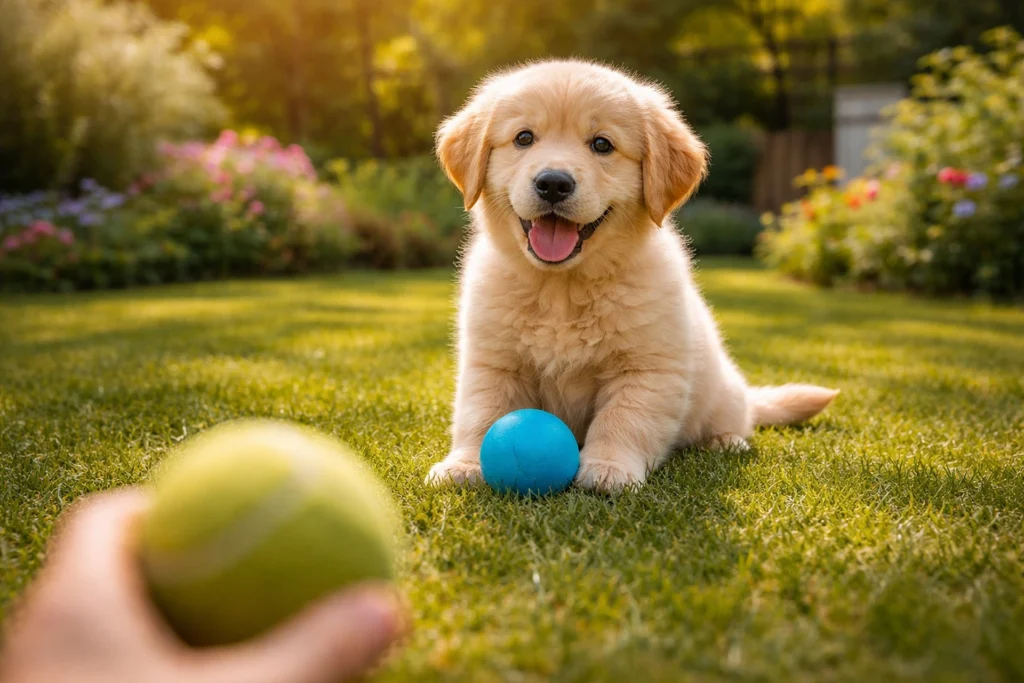
6. Avoid Rough-Housing With Hands
It’s tempting to wrestle and play-fight with a puppy using your hands, but this directly teaches them that hands are toys. Stick to tug toys, fetch, and structured play instead. If you want hands-on bonding, opt for calm petting and massage rather than rough play.
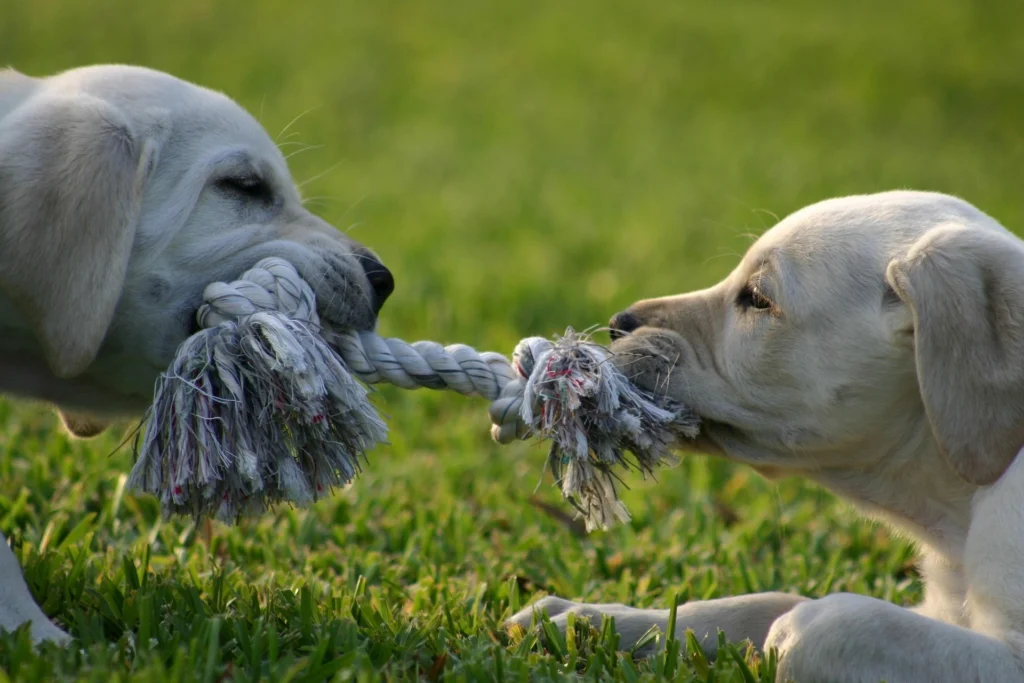
7. Socialize With Other Vaccinated, Friendly Dogs
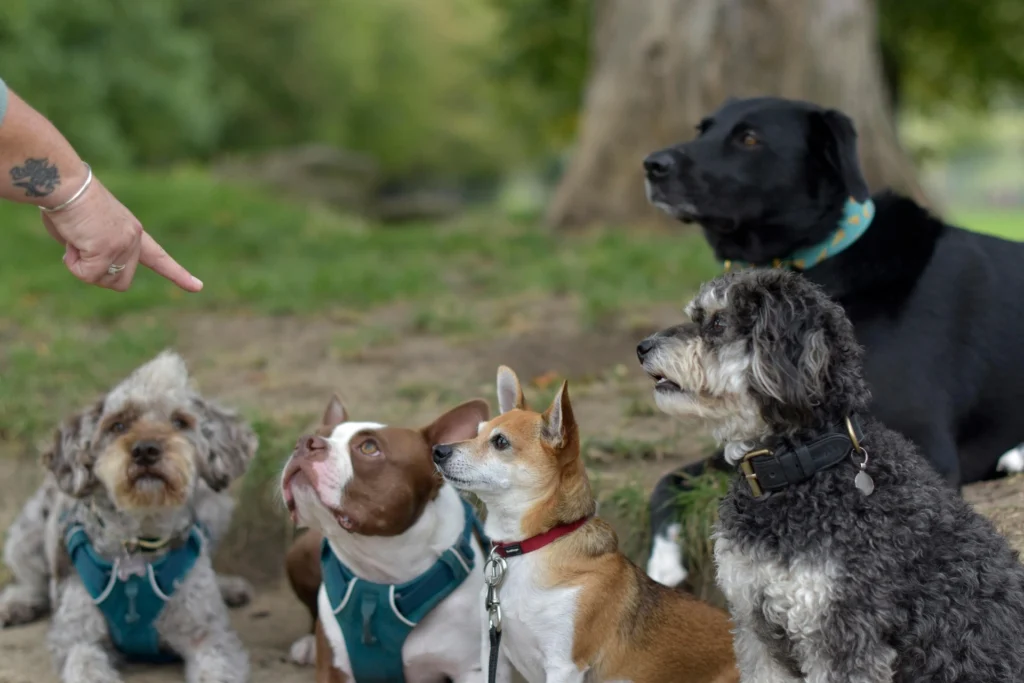
Supervised playdates with other healthy, well-mannered dogs (once your vet clears it) reinforce bite inhibition lessons far better than humans ever can. Dogs naturally correct each other’s overly rough play, reinforcing appropriate boundaries.
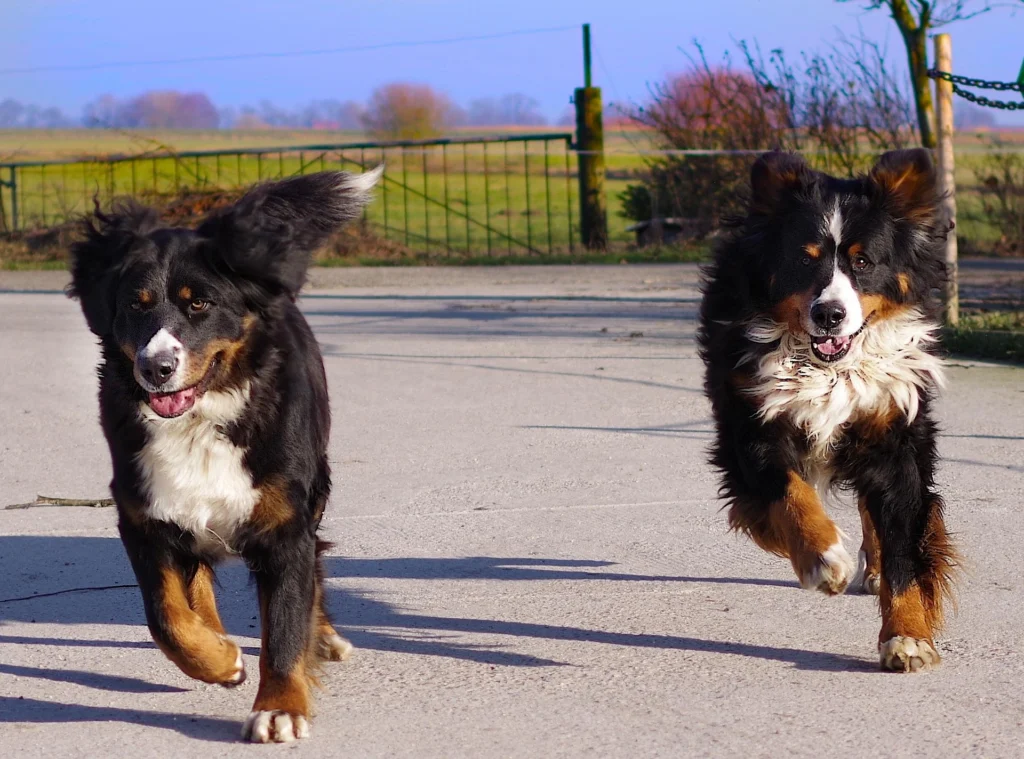
8. Use Positive Reinforcement Consistently
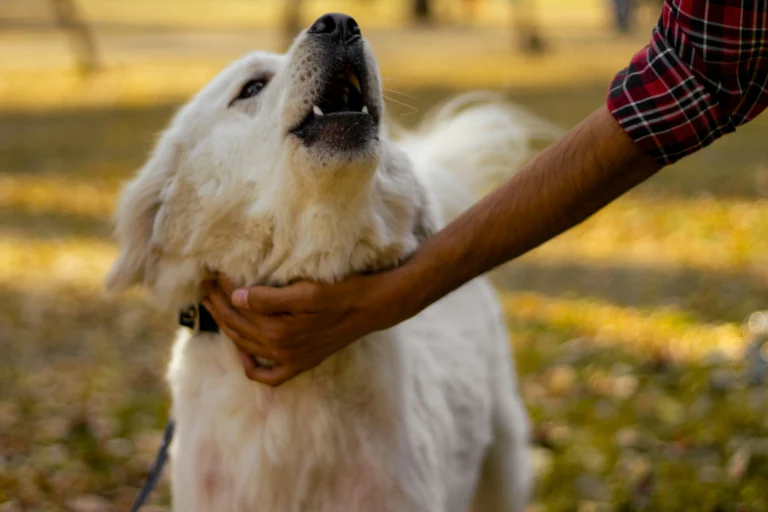
Reward calm, non-biting behavior generously. Whenever your puppy interacts with you gently — sniffing, licking, sitting calmly nearby — offer praise, a treat, or affection. Puppies repeat behaviors that get rewarded, so make sure good behavior is the one paying off.
Common Mistakes to Avoid
- Yelling or hitting: This can make puppies fearful or, in some cases, more defensive and bite-prone. It damages trust rather than building it.
- Pulling your hand away quickly: This often triggers a puppy’s prey drive, making them lunge and bite harder, not less.
- Inconsistent reactions: If biting is sometimes ignored and sometimes punished, your puppy won’t learn a clear rule.
- Allowing biting “because it doesn’t hurt yet”: Small puppies have small jaws, but the habit will carry into adulthood if not corrected early — when it will hurt a lot more.
- Skipping socialization: Puppies isolated from other dogs often struggle more with bite inhibition because they miss out on natural peer correction.
- Using physical punishment tools: Spray bottles, alpha rolls, and similar outdated methods are not recommended by modern trainers and can increase anxiety-driven biting.
How Long Does It Take to Stop Puppy Biting?
Most puppies show noticeable improvement within 2 to 4 weeks of consistent training, though full bite inhibition typically develops by 6 to 9 months of age, once adult teeth are fully in and the teething phase ends. Some breeds and individual puppies take longer than others — high-energy or mouthy breeds like Labradors, Border Collies, and herding breeds often need extra patience and structured outlets.
Consistency is the biggest factor in how fast you see results. A puppy that gets mixed signals from different family members will take much longer to learn than one with a unified, predictable approach across the whole household.
Breed-Specific Considerations
Not every puppy bites the same way, and breed traits can influence how intense or persistent the behavior is. Knowing your puppy’s natural tendencies helps you set realistic expectations and tailor your approach.
- Herding breeds (Border Collies, Australian Shepherds, Corgis): These dogs were bred to nip at livestock heels, so they often display “herding nips” toward moving objects, kids running, or even bicycles. Redirecting their energy into structured games like fetch or agility training helps channel this instinct productively.
- Retrievers and sporting breeds (Labradors, Golden Retrievers): Highly mouthy by nature, these breeds love carrying things in their mouths. Providing a wide variety of safe chew toys and “carry” items satisfies this instinct without it turning into biting people.
- Terriers: Known for tenacious, high-energy personalities, terriers may bite harder during play and need extra consistency with the yelp-and-withdraw method.
- Toy and small breeds (Chihuahuas, Yorkies): Owners sometimes underestimate biting in small dogs because the bite doesn’t hurt much. However, skipping training because “it’s not a big deal” often leads to a small adult dog with poor bite inhibition, which can become a real problem later.
Regardless of breed, every puppy benefits from the same core principles: consistency, redirection, and patience. Breed traits explain why a puppy bites the way it does, but they don’t change how you should respond.
Building a Daily Routine That Reduces Biting
Beyond individual training techniques, structuring your puppy’s day around predictable routines can dramatically reduce biting incidents. Puppies thrive on consistency, and a well-planned day naturally limits the boredom and overstimulation that often trigger nipping.
A simple daily framework might include:
- Morning potty break and short walk to burn initial energy.
- Breakfast paired with a puzzle feeder to engage the brain early in the day.
- A 10–15 minute training session practicing cues like sit, stay, and “gentle.”
- Supervised play with appropriate toys, followed by a rest period.
- Afternoon nap — puppies who don’t get enough sleep often become cranky and bite-prone, much like an overtired toddler.
- Evening walk or playdate with a calm, vaccinated dog if possible.
- Wind-down time before bed with calm petting and a chew toy to settle for the night.
Following a routine like this won’t eliminate biting overnight, but it removes many of the underlying triggers — boredom, pent-up energy, and overtiredness — that make biting worse.
When to Seek Professional Help
In most cases, puppy biting resolves with patience and the techniques above. However, consider consulting a certified professional dog trainer or veterinary behaviorist if:
- Biting is accompanied by growling, snapping, or signs of aggression rather than playful mouthing
- The behavior is getting worse despite consistent training
- Your puppy bites in a way that causes real injury, even accidentally
- You notice fear-based body language (cowering, ears pinned back, tail tucked) alongside biting
Early professional intervention can prevent small issues from becoming bigger behavioral problems later in life.
Frequently Asked Questions
1. Is it normal for puppies to bite a lot? Yes. Almost all puppies go through a biting and mouthing phase, especially during teething between 3 and 6 months old. It’s a normal developmental stage, not a sign of aggression.
2. At what age do puppies stop biting? Most puppies significantly reduce biting by 6 months, with full bite inhibition typically developed by 8–9 months, once training is consistent and teething is complete.
3. Should I let my puppy bite me during play? It’s best to avoid letting your puppy bite your hands at all, even gently, since this can blur the line between acceptable and unacceptable biting. Redirect to toys instead.
4. Does ignoring a puppy stop biting? Withdrawing attention (a brief time-out) is effective because it removes the reward — your engagement — that reinforces the biting behavior.
5. Can puppy biting turn into aggression? Typically, no — most puppy biting is play-related, not aggressive. However, unaddressed biting habits combined with fear or poor socialization can occasionally develop into more serious behavior issues, which is why early training matters.
6. What toys are best for redirecting puppy bites? Durable rubber chew toys, rope tugs, and frozen washcloths (for teething relief) work well. Choose textures your puppy finds satisfying so they prefer the toy over your hands.
Conclusion
Puppy biting can feel overwhelming in the moment, but it’s a temporary, manageable phase of development rather than a permanent personality trait. By understanding why your puppy bites, consistently applying techniques like yelp-and-withdraw, toy redirection, time-outs, and positive reinforcement, you’ll set your puppy up for a lifetime of gentle, trustworthy behavior.
Patience and consistency are your biggest allies here. Every member of your household should follow the same approach, and progress — even if slow at first — will compound over the coming weeks. Before long, those sharp puppy teeth will be reserved for chew toys, not your hands.
2 Comments