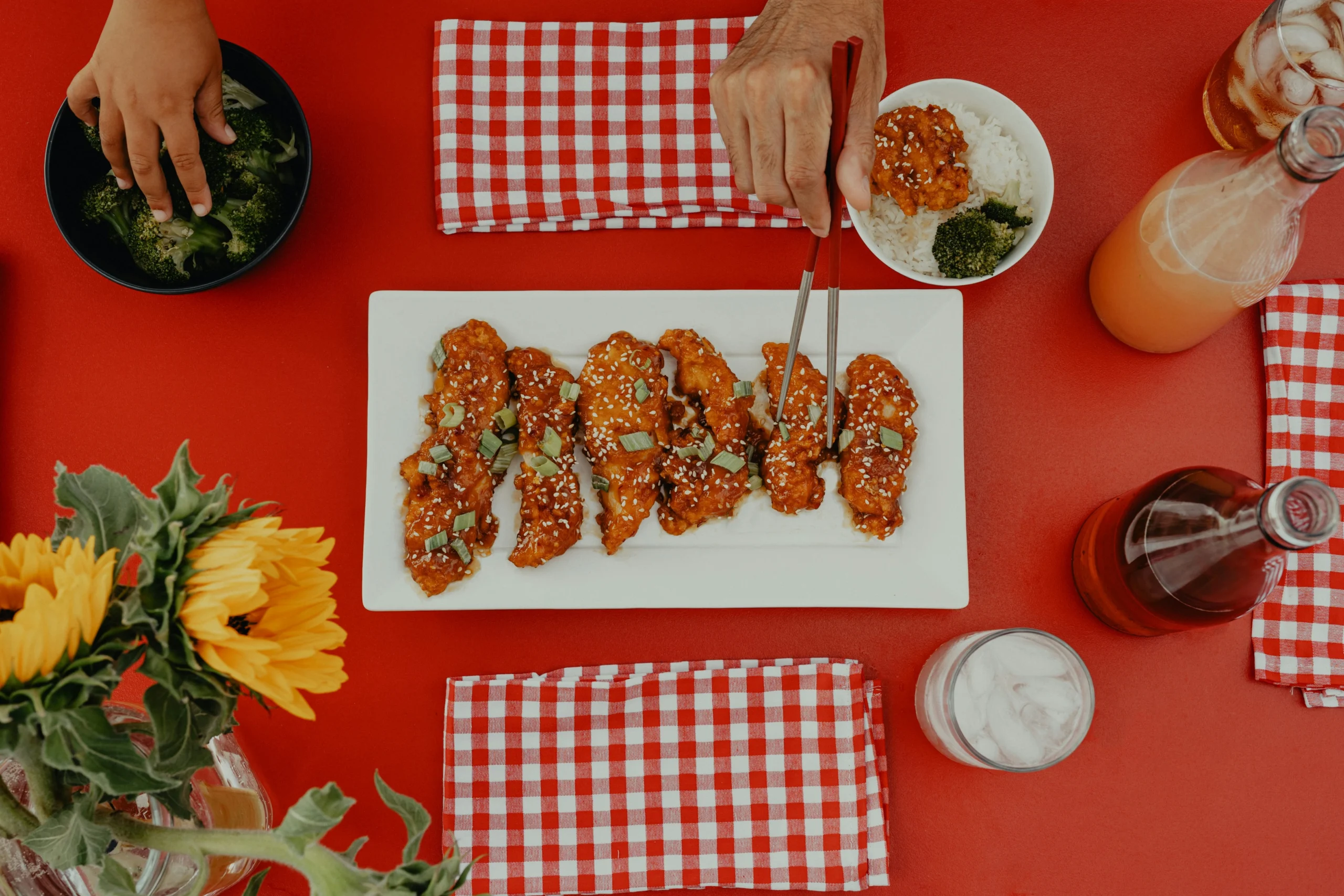
Quick 30-Minute Healthy Dinner Recipes for Family That Everyone Will Actually Eat
Here’s what I’ve learned: quick 30-minute healthy dinner recipes for family aren’t about being a perfect cook or having some magic trick up your sleeve. They’re about knowing which meals actually work within the time crunch, having the right ingredients on hand, and letting go of the idea that weeknight dinner has to be complicated.
I used to think fast meals meant unhealthy. Pasta loaded with jarred sauce, chicken nuggets, something out of a box. But after years of feeding my family on weeknights, I’ve discovered that you can make genuinely delicious, nutritious dinners in the time it takes to watch a Netflix episode. You just need a system and the right recipes in your back pocket.
Say goodbye to soggy, dull, and rubbery greens in your freezer. Learn the simple step-by-step technique to lock in vibrant color and crisp texture in How to Blanch Broccoli, where we break down precise boiling times, the essential ice-bath shocking method, and common mistakes to avoid for perfect meal prep.
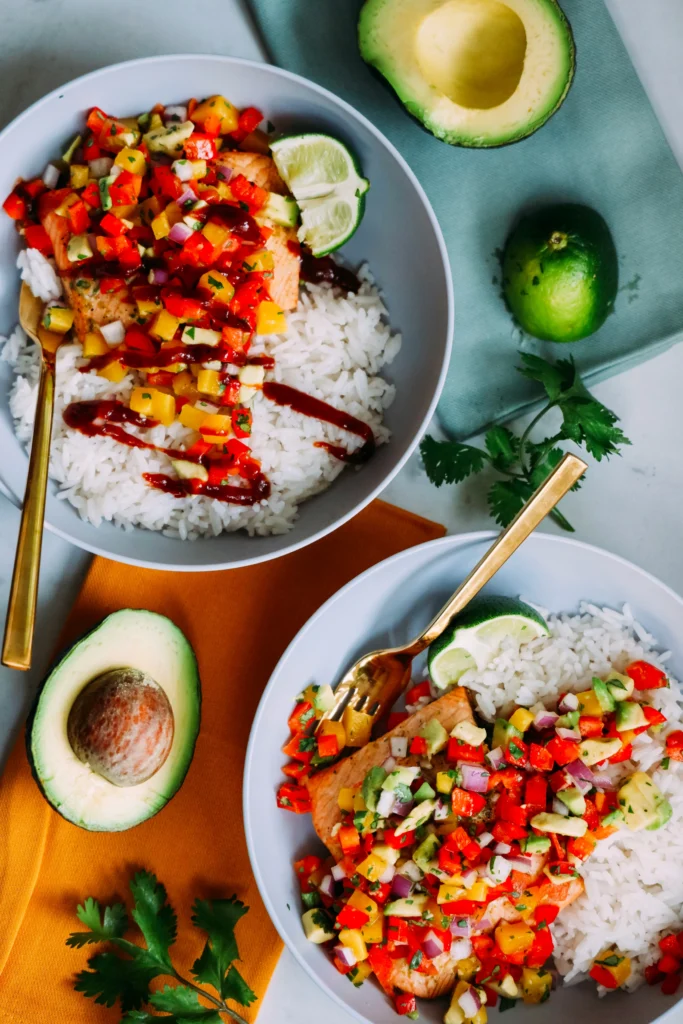
Why 30 Minutes Is Actually the Sweet Spot
When I first became determined to cook more, I’d find recipes that looked amazing but took 90 minutes. Chopping, browning, simmering, reducing. By the time everything was ready, my family had snacked so much they weren’t even hungry anymore.
Then I started looking specifically for quick 30-minute healthy dinner recipes for family, and something clicked. Thirty minutes is long enough to actually cook something real—not just reheat something processed—but short enough that it’s doable on a random Tuesday when life’s chaos.
Here’s the reality: a 30-minute dinner means your family eats together earlier, your kids go to bed at a reasonable time, and you’re not standing in the kitchen until 8 p.m. That’s not small. That’s everything.
The other thing I noticed is that quick meals force you to cook with whole ingredients. You’re not simmering something for two hours; you’re working with things that cook fast naturally—thin proteins, quick-cooking vegetables, fast grains. Those tend to be healthier than recipes built around cream sauces or multiple processed components.
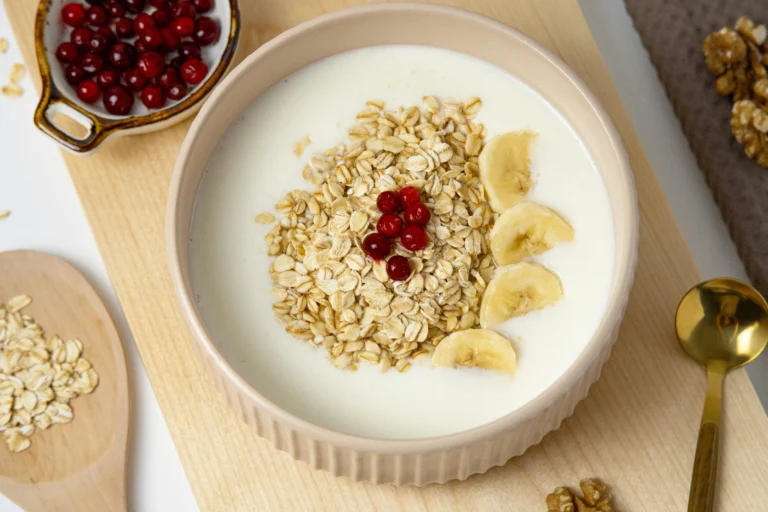
If you find yourself waking up puffy, stiff, or battling morning brain fog, it might be time to rethink your first meal of the day. Discover the science-backed, chef-approved routine in The No.1 Anti-Inflammatory Breakfast, which details how a simple 10-minute bowl of steel-cut oats, antioxidant-rich berries, and omega-3-packed walnuts can stabilize your blood sugar and calm systemic inflammation.
The Three-Ingredient Rule That Changes Everything
I used to stress about recipes with 15 ingredients. Who has all that? Then I accidentally discovered something: most really good 30-minute meals have a protein, a vegetable, and a carb or sauce. That’s it.
Everything else is seasoning and technique.
Protein (cooks in 10–15 minutes): chicken breast, ground beef, shrimp, eggs, canned beans, tofu
Vegetable (the volume filler, cooks in 8–12 minutes): broccoli, bell peppers, snap peas, zucchini, spinach, mushrooms
Carb or sauce (ties it together in 10 minutes): rice, pasta, sweet potato, sauce, or grain
You combine these three things smartly, season them well, and suddenly you have dinner. No recipe anxiety, no “I don’t have that one ingredient” stress. Just real food on the table.
Let me walk you through how this works in practice.
Staring at an empty fridge after a long workday? Beat decision fatigue and get a fast, nutritious meal on the table in under 25 minutes with Healthy 5-Ingredient Dinners for Busy Weeknights, featuring easy sheet-pan recipes, quick skillet ideas, and a simple 5-ingredient template you can customize with whatever ingredients you have on hand.
Recipe Framework #1: Sheet Pan Dinners (15–18 minutes start to finish)
This is the meal that changed my weeknight life. Everything cooks on one pan. Cleanup is maybe five minutes instead of 30.
The Basic Formula:
- Chop your protein into similar-sized pieces (chicken cubes, ground beef formed into small patties, shrimp, whatever).
- Chop a variety of vegetables into roughly similar-sized chunks—peppers, broccoli, zucchini, red onion.
- Drizzle everything with olive oil, hit it with salt, pepper, and seasoning (garlic powder, paprika, Italian seasoning—just pick one or two).
- Throw it on a sheet pan at 425°F for 15 minutes.
- Meanwhile, start your rice or pasta if you want a carb alongside.
That’s it. While everything roasts, you’re not standing over the stove. You can help with homework, set the table, or decompress for two seconds.
A real example I make constantly: Chicken and roasted vegetables. Cut chicken breast into 1.5-inch chunks. Toss with bell peppers, broccoli, and red onion. Add olive oil, salt, pepper, and a pinch of garlic powder. Roast at 425°F for 15 minutes. Serve over rice or with a side of sweet potato. Seriously good, zero stress, and your kids will eat it because the vegetables caramelize slightly and taste way better than steamed.
The mistake people make with sheet pan dinners? Cutting things too big. If your broccoli floret is huge, it won’t cook in 15 minutes. Cut everything into roughly 1-inch pieces and you’re golden.
Recipe Framework #2: One-Pot Pasta Dinners (20–22 minutes)
I know one-pot pasta sounds trendy, but here’s why it works for family dinners: it’s genuinely faster, and there’s one less dish.
The Basic Setup:
- Heat olive oil in a large pan or pot over medium-high heat.
- Add diced onion and minced garlic. Let it soften for 2 minutes.
- Add your protein (ground beef, chicken, white beans, whatever). Cook until done—about 5 minutes for ground meat.
- Dump in uncooked pasta, a can of diced tomatoes, broth, and whatever vegetables you want (spinach, zucchini, mushrooms).
- Let it simmer for about 12 minutes, stirring occasionally, until pasta is tender.
- Finish with salt, pepper, maybe a little parmesan.
The whole thing takes maybe 22 minutes, and your family gets a balanced meal with protein, veggies, and carbs in one bowl.
Real example: I make this with ground turkey, whole-wheat pasta, spinach, and diced tomatoes probably twice a month. My kids call it “turkey pasta.” Takes me 20 minutes from start to finish. The spinach wilts right into the pasta, so it doesn’t feel like you’re forcing vegetables on them—it’s just part of the meal.
The mistake here? Using a tiny pot. Use something big enough that everything actually fits without overflowing. Also, don’t stir constantly; let it cook. Constant stirring prevents the pasta from cooking evenly.
Recipe Framework #3: Stir-Fry (18–20 minutes)
Stir-fry is genuinely the fastest hot dinner, and it’s customizable based on what you have.
The Method:
- Have everything prepped before you start cooking. This is important. Mise en place, as they say—everything in its place. Veggies chopped, protein cut into bite-sized pieces, sauce mixed.
- Heat oil in a large skillet or wok over high heat—really hot.
- Add protein first. Get it cooked and remove it. This takes about 5 minutes for chicken, less for shrimp.
- In the same pan, cook your vegetables in batches so they actually stay crisp. Hardest vegetables first (broccoli, carrots), soft ones last (spinach, mushrooms). Total time: about 8 minutes.
- Add your sauce and protein back in. Cook for 2 minutes until everything’s coated and hot.
- Serve over rice.
Total time, including rice? About 20 minutes.
A real example: Chicken and broccoli stir-fry with a simple sauce (soy sauce, rice vinegar, honey, and garlic). I prep this on Sunday for the week if I’m smart. But even if I’m not, I can have it on the table Wednesday night in 18 minutes because stir-fry is fast by design.
The key mistake? Crowding the pan. If you throw all the vegetables in at once and they don’t have space, they steam instead of staying crisp. Batch them or use a bigger pan.
Quick Breakfast-for-Dinner Ideas (Because Sometimes That’s the Answer)
I’m not above breakfast for dinner. My family loves it, and honestly, it takes like 12 minutes.
Veggie omelets or frittatas. Sauté vegetables (peppers, spinach, onions) in a pan. Pour beaten eggs (with salt and pepper) over them. Cook on the stovetop for 5 minutes, then under the broiler for 3–4 minutes until set. Serve with toast and fruit. Total time: 15 minutes. Actual nutrition: surprisingly high.
Sheet pan scrambled eggs with toast and veggies. Scramble eggs in a pan while you toast bread. Serve with sautéed spinach or a side of roasted tomatoes. My kids demolish this, and I don’t stress.
I know breakfast for dinner isn’t always what you’re looking for, but on those nights when everything feels impossible, it’s a lifesaver. Eggs are cheap, fast, and everyone eats them.
The 30-Minute Healthy Dinners Pantry Checklist
Here’s where most people struggle with quick dinners: they don’t have the foundational ingredients on hand.
I keep the following stocked always:
Proteins: Chicken breast (frozen or fresh), ground beef or turkey, eggs, canned beans, canned tuna
Pantry Starches: Pasta, rice (white and brown), quick oats, couscous
Vegetables: Bell peppers, broccoli, spinach (frozen and fresh), carrots, onions, cherry tomatoes
Canned/Bottled: Diced tomatoes, tomato paste, low-sodium broth, olive oil, soy sauce, vinegar
Seasonings: Salt, pepper, garlic powder, paprika, cumin, Italian seasoning
Dairy: Parmesan, mozzarella, Greek yogurt
When you have these basics, you can make something real without a trip to the store. That’s the secret to actually cooking quick healthy dinners.
A Quick Dinner Decision Tree
When you’re standing at 5 p.m. with no plan, here’s how I decide:
| If I Have… | Then I Make… | Time |
|---|---|---|
| Chicken + vegetables | Sheet pan chicken | 18 min |
| Ground meat + pasta | One-pot pasta | 22 min |
| Protein + veggies + rice | Stir-fry | 20 min |
| Eggs + vegetables | Frittata or omelet | 15 min |
| Beans + rice + spices | Rice and beans | 20 min |
| Leftovers + time pressure | Taco bowls from last night’s proteins | 10 min |
This table literally lives in my head now. You look at what’s defrosted or ready, and you know exactly what you’re making.
Common Mistakes That Slow You Down
Not prepping vegetables ahead. I’m not saying spend your Sunday chopping. But Sunday night or Monday morning, wash and dry your vegetables, and store them. When you can grab a container of already-washed bell peppers, you save five minutes right there. On a 30-minute timeline, five minutes is everything.
Cooking protein and vegetables at the same time in the same pan. They need different cooking times and heat levels. Cook protein first, remove it, then do vegetables. Your timing will actually work.
Waiting for water to boil before you start chopping. Fill your pot, put it on the heat, then start chopping. By the time you’re done prepping, it’s boiling.
Choosing recipes that require three different cookware pieces. On weeknights, I go for one-pan or one-pot dinners specifically because three dirty pans will defeat my motivation for tomorrow. Sheet pans, large skillets, pasta pots—that’s it.
Not tasting as you go. Most underseasoned meals happen because people are rushing. Take two seconds to taste your food before it goes to the table. Is it salty enough? Does it need garlic? Fix it now, not when your family’s eating bland dinner.
Expecting your kids to eat something they’ve never seen before. New meals are okay, but if you’re introducing three new foods in one meal, something won’t land. Mix familiar with new. If you’re making a stir-fry with a new sauce, keep the protein and rice familiar.
The Reality Check on Healthy + Fast
I want to be honest: 30-minute dinners aren’t gourmet. They’re not Instagram-worthy. They’re real family food that happens to be actually nutritious.
When you roast vegetables at high heat, they taste better than steamed vegetables. When you use whole-wheat pasta, you’re getting fiber without anyone complaining. When you make a stir-fry with actual vegetables instead of ordering it with fries, your family gets better nutrition.
But you’re also not making a five-course meal. You’re making dinner. That’s the point.
Frequently Asked Questions
The Meal I Make When I’ve Given Up
Here’s my completely real confession: some nights are chaos, and I make rice and beans with whatever protein I have and call it dinner.
I boil rice (or it’s already cooked). Heat up canned beans. Cook whatever protein is defrosted. Dump hot sauce on top if we’re feeling it. Serve with avocado or cheese.
Is it fancy? No. Is it healthy? Absolutely. Did it take 15 minutes? Yes. Do my kids eat it without complaining? Mostly.
This is the meal that keeps me sane. Not every dinner is a beautiful sheet pan situation. Sometimes you’re just getting food on the table, and that’s okay.
What Actually Changes When You Commit to Quick Dinners
After a few weeks of making quick 30-minute healthy dinner recipes for family, something shifts. You stop panicking at 5 p.m. You actually know what you’re making. You’ve probably saved money because you’re not defaulting to takeout.
Your family also eats together more, which is weirdly important. My kids are more likely to try vegetables when they’re sitting at a table with me eating the same vegetables. And the stress of “how am I feeding everyone tonight” disappears when you have a system.
This isn’t about being a perfect home cook. It’s about making dinner happen with minimal stress and maximum nutrition. You can do that in 30 minutes. Seriously.
A Small Permission Slip
If you read this and think “but I still can’t,” that’s okay. Give yourself the permission to start small. Make one 30-minute dinner next week. Just one. See how it goes. Then add another the following week.
You don’t have to overhaul your entire weeknight rotation tomorrow. You just need to start somewhere. And honestly? The fact that you’re looking for quick healthy options means you’re already halfway there.
Pick one recipe framework—sheet pan, one-pot pasta, or stir-fry. Make it once. Adjust it based on what your family likes. Make it again. Suddenly you have a dinner in your rotation that works, and that’s the entire goal.

One Comment