How to Wash Strawberries: The Gentle Way That Actually Works
I used to think I was a strawberry-washing expert. Grab them, run them under cold water, done. Simple. Except I was getting a lot of mushy berries, and I didn’t really know if I was actually removing the pesticides and dirt I was worried about. Then one spring, I bought berries from a farmer’s market and bit into one to find a tiny bug inside. That was the wake-up call I needed.
That’s when I realized how to wash strawberries properly is actually something most people don’t know. We just assume running water is enough, but there’s more to it if you want to keep them fresh, remove what shouldn’t be there, and avoid that disappointing mush that shows up two days later. After some research and a lot of trial runs in my own kitchen, I found methods that actually work—ones that remove the gunk without destroying the delicate fruit.
Fire up the barbecue and elevate your next summer cookout with these 19 easy vegetarian grilling recipes that prove smoky, caramelized flavor isn’t just for meat lovers.
If you’re buying strawberries and wondering what actually gets them clean, or if you’re tired of finding unexpected things in your fruit, this guide is going to save you some stress.
Why You Actually Need to Wash Strawberries (It’s More Than You Think)
Here’s the honest truth: strawberries are beautiful, delicious, and they’re basically a magnet for everything you don’t want to eat.
These berries grow low to the ground, literally sitting in soil where they come into contact with dirt, bacteria, and whatever else is living in the earth. Farmers also spray pesticides to keep insects and fungal issues at bay—and while those chemicals are tested for safety at approved levels, most people still prefer to wash them off if they can. Then there’s the handling factor. These berries get touched by multiple people before they reach your kitchen—the picker, the packager, the store employees, other customers browsing the bin. That’s a lot of hands and potential bacteria.
Beyond the visible concerns, there’s also the less obvious stuff. Strawberries can carry E. coli, Listeria, and salmonella on their surfaces. These don’t show up visibly, but they can make you genuinely sick. I’m not trying to scare you—most of the time, you’re fine. But washing properly is just a basic safety step that takes minutes.
There’s also the pesticide residue question. The USDA regularly finds pesticide traces on strawberries, which is why they consistently rank high on the “Dirty Dozen” list of produce with the most pesticide residues. Again, the levels are supposedly below harm thresholds, but if you want to reduce your exposure, washing helps. A simple water rinse can remove a significant portion of surface pesticides.
Stop avoiding your kitchen because of grime—learn the simple, chemical-free methods to safely remove sticky grease on wood cabinets and restore your space to a clean, inspiring sanctuary.
So yeah, there are actual reasons beyond being overly cautious. Washing strawberries isn’t paranoid; it’s just smart.
When to Wash: The Timing Question
This is where a lot of people mess up, and I did too.
I used to wash my strawberries the moment I got home from the store, thinking I was being proactive. Nope. That’s actually one of the worst times to wash them. Here’s why: strawberries have a delicate skin and are about 91% water. When you wash them and leave them sitting in your fridge, moisture clings to the surface and the bruised areas (yes, they bruise just from washing sometimes). That moisture creates the perfect environment for mold and decay to take over. I’d wash them, put them in the fridge, and three days later they’d be a moldy disaster.
The smart approach? Wash them right before you eat them. Seriously, that’s it. You wait until you’re actually ready to use the berries, grab what you need, wash them, and eat them. This keeps them fresh, dry, and less prone to mold. If you’re making jam or a smoothie, wash just before you prepare it.
The only exception is if you’ve visibly gotten dirt or something questionable on them at the store, or if you’re buying from a farmer’s market where there might be more surface soil. Then a quick rinse as soon as you get home is reasonable. But for standard supermarket berries, wait until you’re ready to use them.
This one timing change probably extended my strawberry freshness by 2-3 days. It’s honestly that significant.
The Best Way to Wash Strawberries Without Bruising Them
Let me walk you through the method I’ve landed on after a lot of trial and error.
Step 1: Use cool (not cold) water. Cold water can shock the berries and accelerate bruising. I use water that’s slightly cooler than room temperature—think cool but not straight from the cold tap. If you have a filter pitcher, that’s perfect.
Step 2: Avoid the sink basin method. Don’t dump your berries in a bowl of water and let them sit. That’s actually less effective than you think—water alone doesn’t remove all the stuff you’re worried about, and prolonged water contact softens the berries. Instead, hold each berry gently in your hand.
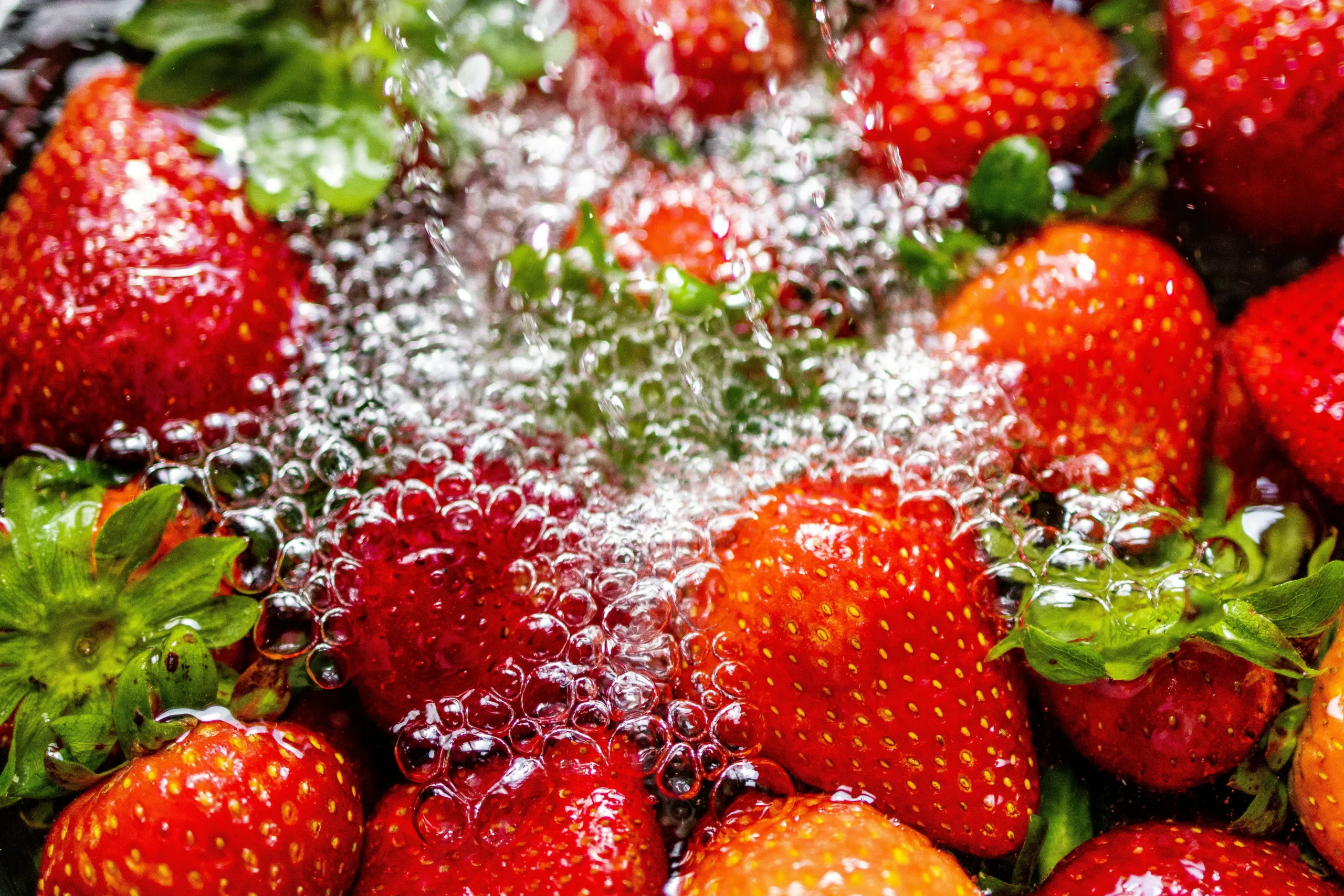
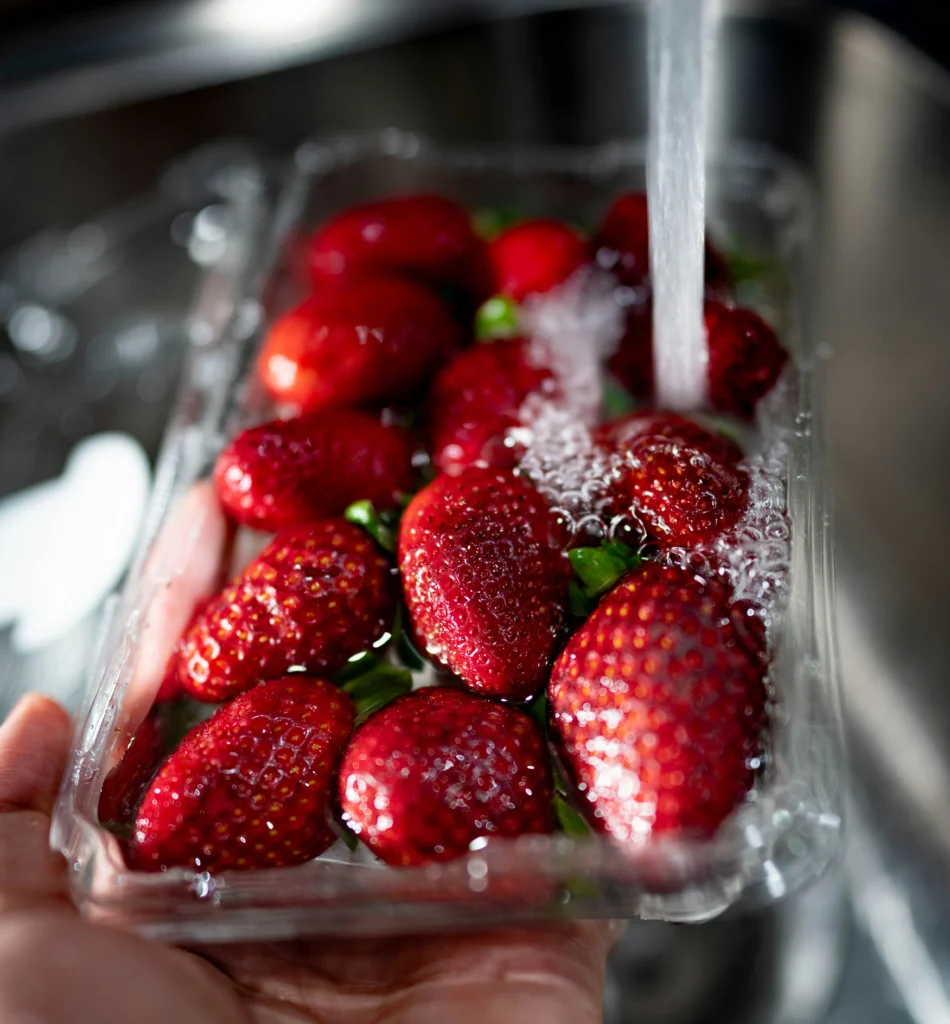
Step 3: Rinse gently under running water. Position each berry stem-side down under a gentle stream of water. Use your fingertip to very lightly rub the surface—and I mean lightly. You’re not scrubbing. You’re just gently helping water remove surface particles. Spend about 5-10 seconds per berry if you’re worried about pesticides or dirt. If you’re just rinsing casually, 2-3 seconds is fine.
Step 4: Pay attention to the stem area. Dirt hides in the crown (the leafy part at the top). Rinse this area with a bit more focus, gently separating the leaves if needed to get water in there.
Step 5: Pat dry immediately. Grab a clean paper towel and gently pat each berry dry. This is crucial. The goal is to remove excess water so they don’t sit damp.
The whole process takes maybe 5-10 minutes for a pint of berries. It’s not a huge time investment, and it genuinely makes a difference.
- Speaking with authority doesn’t happen by accident. If you find yourself rushing or stumbling over your words when nervous, check out this guide on how to speak clearly and confidently to master daily vocal exercises, correct phrasing, and breathing techniques.
Should You Use Vinegar or Special Produce Wash?
I’ve tried both, and here’s what I found.
Vinegar method: Some people swear by a 1:3 vinegar-to-water solution (one part white vinegar, three parts water). The theory is that vinegar helps remove bacteria and mold spores. I’ve tested this, and it does work—it’s more effective than water alone at removing surface bacteria. The downside? Your strawberries taste like vinegar if you don’t rinse thoroughly afterward, and it can slightly soften the berries. If you use it, give the berries a quick vinegar soak (30 seconds to a minute), then rinse well with fresh water.
I only use vinegar if I’m buying berries from somewhere I’m not 100% confident about (like a farmer’s market where they’ve been sitting out for hours), or if they’re going to sit in my fridge for several days before I use them. For regular supermarket berries I’m using today, water is plenty.
Commercial produce wash: These exist and technically work, but I genuinely don’t think they’re necessary. Water removes the majority of surface residues. Plus, you’re paying extra for something that most regular dish soap (which you could use) would do just as well. I’ve never bothered with them, and my berries are fine.
Baking soda solution: I’ve also seen recommendations for a baking soda soak (1 tablespoon per cup of water). This actually does help remove some pesticide residues better than water alone. If you want to go this route, soak for 12-15 minutes, then rinse thoroughly with fresh water. It’s more involved but it works.
For me? Cool water and gentle handling cover 95% of my concerns. If I’m being extra cautious, I’ll use the baking soda method. Vinegar is my backup option.
Washing Fresh-Picked vs. Store-Bought Strawberries
The method changes slightly depending on where your berries came from.
Store-bought strawberries come pre-handled and packaged, so they typically have less visible dirt but more human contact. Gentle water rinsing is usually sufficient. These berries have also been handled carefully to survive transport, so they’re less delicate than you might think.
Farmer’s market or farm-picked strawberries sometimes come straight from the soil. I’ve gotten berries with actual dirt clumped on them. These need slightly more attention. I’m more generous with the water rinse and might use the vinegar or baking soda method. These berries are also usually picked just hours before (which is amazing), so they’re incredibly delicate. Be extra gentle.
Organic berries technically have fewer chemical pesticide residues by definition, but they still get dirt and bacteria on them from soil contact. Washing is still necessary, but you can usually be a bit less aggressive if you’re mainly worried about pesticides.
I buy from all three sources depending on the season, and I adjust my approach accordingly. The principle stays the same, but the intensity varies.
Step-by-Step Washing Process
Here’s a super simple step-by-step you can follow:
- Remove from packaging and discard any obviously moldy or damaged berries (yes, toss these, don’t wash them hoping they’ll improve).
- Fill a colander or hold berries in your hand. I prefer holding them because you have more control.
- Turn on cool running water at a gentle flow—not a powerful stream.
- Hold each berry stem-side down and rotate it gently under the water, using your fingertip for a very light rubbing motion.
- Pay extra attention to the crown where leaves meet the berry.
- Rinse for 3-10 seconds per berry depending on how dirty they look or how careful you want to be.
- Pat dry immediately with a clean paper towel.
- Use right away or store uncovered in the fridge (see next section).
Total time: 5-10 minutes for a pint. Yes, it’s worth it.
Storage After Washing: How to Keep Them Fresh
This is where people often mess up. They wash the berries, put them back in their original container, and wonder why they’re moldy three days later.
If you’re eating the berries within a few hours, you don’t need to store them at all. Leave them out if it’s cool enough, or put them in the fridge uncovered in a shallow container or on a paper towel.
If you’re storing them longer, here’s what actually works: line a container with paper towels, arrange the berries in a single layer, and leave the top uncovered. This lets air circulate and prevents moisture buildup. Replace the paper towels if they get damp.
Don’t stack them or crowd them. Don’t cover them tightly with plastic wrap. Don’t keep them in the original plastic container they came in (that container is designed for transport, not storage). The key is air circulation and moisture management.
With this method, I can keep berries fresh for 4-5 days, sometimes longer. Without it, they’re questionable by day 3.
One more thing: don’t store them near ethylene-producing fruits like bananas or apples. These fruits release ethylene gas, which speeds up ripening and decay in strawberries. Keep them separated.
Common Mistakes to Avoid
Mistake #1: Washing and storing immediately. You’re basically setting them up for mold. Wash right before you use them, or wash and store uncovered if you must wash ahead.
Mistake #2: Scrubbing hard. Strawberries aren’t potatoes. They bruise easily. Gentle is always better.
Mistake #3: Leaving them in standing water. A brief rinse is fine. A 30-minute soak is not. They absorb water and get mushy.
Mistake #4: Using warm or hot water. This speeds up decay. Stick with cool water.
Mistake #5: Storing in their original plastic container. These containers trap moisture. Move them to something with better air circulation.
Mistake #6: Washing berries you’re not going to eat. If a berry looks bad, just toss it. Washing won’t save a berry that’s already going down the mold path.
Mistake #7: Assuming all washing methods are the same. Water alone is good. Vinegar is better for safety. Baking soda is better for pesticide residues. Choose based on what you’re most concerned about.
Quick Reference Washing Guide
| Scenario | Method | Time |
|---|---|---|
| Store-bought berries, eating today | Cool water rinse, gentle rub | 3-5 sec per berry |
| Farmer’s market berries, visibly dirty | Vinegar solution or baking soda | 30-60 seconds total |
| Store-bought, storing for 3+ days | Baking soda soak or vinegar | 1-2 minutes total |
| Just-picked berries, very delicate | Cool water only, barely touch | 2-3 sec per berry |
| Making jam or smoothie | Any method, you’re cooking anyway | 5 minutes total |
| Organic berries, pesticide not concern | Cool water rinse only | 2-3 sec per berry |
What About Pesticide Residues Specifically?
I know a lot of people are concerned about this, so let me be straight with you.
The USDA and EPA test strawberries regularly and find pesticide residues on a portion of them. The residues are typically below the legal tolerance levels set by the EPA, which are supposedly safe for consumption. But some people still want to minimize exposure, which is totally fair.
Water alone removes some pesticide residues, but not all. A baking soda solution is more effective—studies have shown it can remove more residue than water alone. A vinegar solution is somewhere in the middle.
If you’re concerned about pesticides and have the time, use the baking soda method (1 tablespoon per cup of water, 12-15 minute soak). If you want a middle ground, vinegar solution is faster. If you’re not overly worried or just buying organic, plain water is perfectly fine.
Disclaimer: While washing reduces pesticide residues, it doesn’t eliminate them completely, and trace amounts of approved pesticides aren’t considered harmful at current levels. If you have specific health concerns about pesticide exposure, consult your doctor.
Frequently Asked Questions
The Real-World Impact of Proper Washing
Here’s what changed for me when I started washing strawberries the right way: I stopped throwing away moldy berries after three days. I stopped biting into unexpected bugs or crunchy dirt. And honestly? I just felt more confident that what I was eating was clean.
This isn’t about being paranoid. It’s about taking a few minutes to handle your food properly. Your body’s been working hard to keep you healthy—the least your strawberries can do is show up clean and fresh.
Start with just plain cool water and gentle handling. That covers most of your bases. If you want to level up, add vinegar or baking soda. Pay attention to when you wash (right before eating is best) and how you store (uncovered, air circulation). These small changes add up to berries that taste better and last longer.
Your farmers work hard to grow these things. A little care in the final steps shows respect for all that effort—and takes care of yourself at the same time.