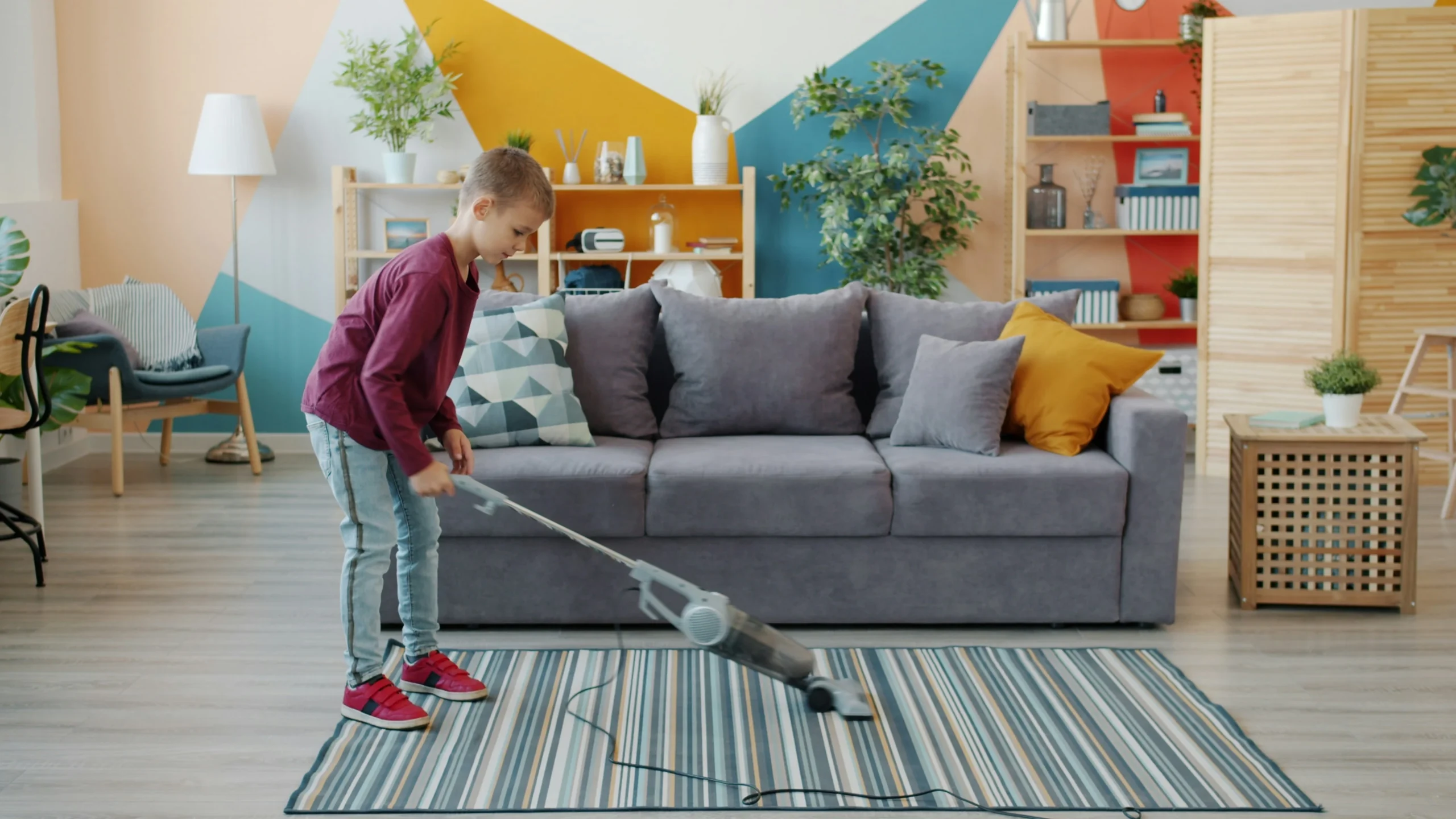
4 Everyday Cleaning Tasks for a Healthy Lifestyle
I used to think cleaning was just about appearances—making sure my home looked neat when guests came over. Then I got sick. A lot. Frequent colds, constant fatigue, low-level headaches that wouldn’t quit. I mentioned it to my doctor during a routine checkup, and after ruling out major issues, she asked one question: “How often are you actually cleaning your home?” I laughed it off, but then I started paying attention to the connection between my living space and how I felt.
That’s when everything clicked. The 4 everyday cleaning tasks for a healthy lifestyle aren’t luxuries or perfectionist quirks—they’re part of your wellness routine, as important as sleep and exercise. Within a few weeks of implementing real cleaning habits, my sick days dropped by half. My energy improved. My allergies calmed down. I realized I’d been living in a space that was actively working against my health, and I didn’t even know it.
This isn’t about obsessive cleaning or toxic chemicals. It’s about understanding which cleaning tasks actually move the needle on your wellbeing and doing them consistently.
10 Hobbies for Older Adults That Boost Brain and Body Health Staying active as you age doesn’t have to mean boring gym sessions. Discover 10 accessible, low-cost hobbies—from swimming to dancing—that naturally build joint mobility, improve balance, and keep you moving with purpose.
Why Cleaning Actually Matters for Your Health (Not Just Aesthetics)
Here’s the science part, but I promise I’ll keep it real: your home accumulates allergens, bacteria, viruses, dust mites, and mold whether you want it to or not. These aren’t moral judgments—they’re biological facts. In an uncleaned space, these things accumulate to levels that genuinely affect your immune system, respiratory health, and mental state.
I learned this the hard way when an air quality test showed my bedroom had dust mite levels 3x higher than recommended. No wonder I was waking up congested.
Your gut instinct about “clean” spaces making you feel better isn’t imaginary. Studies show that people who maintain regular cleaning routines report lower stress levels, better focus, and fewer respiratory issues. A clean space reduces the pathogen load your immune system has to fight, which means your body can direct that energy elsewhere.
The tricky part? You don’t need a pristine home. You need strategic cleaning. And that’s where the 4 everyday tasks come in—they target the areas and frequencies that actually matter for health.

Task 1: Kitchen Surface Sanitization (Weekly Deep Wipe)
Your kitchen is ground zero for bacterial growth. It’s warm, it has food residue, and it’s used multiple times daily. I used to think wiping down my counters occasionally was enough. I was wrong.
I started doing a proper weekly kitchen sanitization, and it genuinely changed my food safety situation. Here’s what actually works:
The Process:
- Clear the counters completely (yes, everything)
- Use hot water and dish soap to physically remove debris—this step matters more than people think
- For sanitizing, I use a diluted bleach solution (1 part bleach to 10 parts water) or white vinegar solution (equal parts water and vinegar)
- Wipe down all surfaces, including backsplash, stovetop sides, and the area under appliances
- Pay special attention to crevices where crumbs hide
- This takes about 20-30 minutes for an average kitchen
I do this every Sunday morning now. It’s become part of my routine, and honestly, I feel noticeably more energized starting the week in a truly clean kitchen.
The key difference from regular daily wiping? You’re actually sanitizing, not just moving dirt around. Daily cleaning keeps it manageable; weekly sanitization prevents the buildup that leads to bacterial growth.
8 Everyday Foods With More Calcium Than Milk Getting enough calcium doesn’t mean you have to rely solely on the dairy aisle. If you struggle with dairy digestion or simply want to diversify your diet, explore these 8 ordinary, budget-friendly pantry staples that actually contain more calcium per serving than a glass of milk.
Task 2: Bedroom Air Quality & Bedding Deep Clean (Every 1-2 Weeks)
This is where I saw the biggest health improvement. I spend 8 hours a night in my bedroom, breathing the air in that space repeatedly. When I finally admitted my bedroom was basically a dust mite hotel, I got serious about cleaning it differently.
What “deep cleaning” actually means here:
Washing bedding at 130°F (54°C) kills dust mites and their allergens. I learned this after years of using warm water and wondering why my allergies weren’t improving. The jump to hot water made a genuinely noticeable difference in how I slept and how congested I felt in the mornings.
I also started vacuuming with a HEPA filter vacuum twice a week—Sundays and Wednesdays. Regular vacuums just recirculate dust; HEPA filters actually trap small particles. This felt excessive at first, but when you’re dealing with respiratory health, it’s not.
Beyond that, I rotate my pillows monthly and replace them every 2-3 years (seriously, pillows are dust mite breeding grounds). I dust ceiling fans, light fixtures, and baseboards monthly. These aren’t places you’d normally think about, but dust accumulates there and then falls while you sleep.
Air circulation matters too. I started opening windows for 15 minutes each morning, even in winter (I just grab a sweater). Fresh air dilutes indoor allergens and honestly makes me feel sharper mentally.
The wellness connection: When you’re not breathing dust mites and their fecal matter all night—yes, that’s what allergies are from—your immune system isn’t constantly activated. You sleep better. You wake less congested. Your body has energy for other things.
Task 3: Bathroom Mold & Moisture Control (Twice Weekly)
Mold is sneaky. It grows silently in corners, around caulk, behind mirrors, and under sinks. I didn’t realize how much mold was lurking in my bathroom until I got a respiratory infection that took weeks to clear. My doctor actually asked about my bathroom—apparently moisture-heavy bathrooms are a known risk factor for respiratory issues.
Now I’m militant about bathroom moisture:
During and immediately after showers:
- Run the exhaust fan during the shower and for 30 minutes after (most people don’t run it long enough)
- Wipe down wet surfaces with a towel—walls, shower doors, sink counter
- Hang wet towels to dry completely (not in a pile on the floor)
Weekly bathroom cleaning routine:
- Spray problem areas (corners, around the toilet, under the sink) with white vinegar or a mold-preventing spray
- Scrub grout lines and caulk monthly with an old toothbrush
- Clean behind and under the toilet—mold loves that dark, humid spot
- Check under the sink for moisture and mold
- Total time: about 15-20 minutes
I also added a small dehumidifier to my bathroom, which sounds extreme until you realize it cost $30 and actually works. My bathroom humidity dropped from 70% to 50%, and I haven’t had a respiratory issue since.
The weird part? Mold doesn’t always smell. You can have significant growth happening without noticing. That’s why regular inspection matters more than waiting until something looks wrong.
Task 4: High-Touch Surfaces & Germ Hotspots (Daily Brief Clean)
This is the easiest of the 4 everyday cleaning tasks for a healthy lifestyle, and yet it’s probably the most impactful for preventing actual illness.
I’m talking about doorknobs, light switches, remote controls, phone screens, and anywhere your hands touch repeatedly. These surfaces concentrate pathogens like nowhere else in your home. During cold and flu season, viruses literally live on these surfaces for hours.
What I do daily:
- Quick wipe of doorknobs and light switches with a disinfectant wipe or cloth (takes 3 minutes)
- Phone screen clean with a microfiber cloth slightly dampened with disinfectant
- Remote control quick wipe (honestly such an underrated germ hotspot)
- Bathroom door handle and sink faucet handles
- Kitchen cabinet handles
This takes literally 5 minutes if you batch it together. I do it in the evening while listening to a podcast.
The impact? I stopped catching every cold that went around. One winter, my partner got the flu and I didn’t. Before implementing this, I would’ve been sick within 48 hours. The difference was this daily surface cleaning.
Quick Reference: The 4 Everyday Cleaning Tasks for Healthy Lifestyle
| Task | Frequency | Time Required | Key Focus | Health Benefit |
|---|---|---|---|---|
| Kitchen Surface Sanitization | Weekly (Sunday) | 20-30 min | Counters, stovetop, backsplash, under appliances | Reduces foodborne pathogens, food safety |
| Bedroom Air & Bedding | 1-2 weeks (hot wash), 2x weekly (vacuuming) | 40 min weekly | Bedding at 130°F, HEPA vacuuming, ceiling fans | Reduces allergens, better sleep, fewer respiratory issues |
| Bathroom Mold & Moisture Control | Twice weekly | 15-20 min | Exhaust fan timing, grout, under sink, corners | Prevents mold-related respiratory infection |
| High-Touch Surfaces | Daily | 5 min | Doorknobs, switches, phones, remotes | Reduces virus transmission, fewer colds/flu |
How to Actually Stick With These Tasks (The Real Challenge)
Knowing what to do is one thing. Actually doing it consistently? That’s different.
I tried a few approaches before finding what worked. First, I tried doing everything on Sunday. That was overwhelming and I’d skip it. Then I tried daily perfection, which led to burnout. What actually stuck was separating the tasks and building them into my existing routine.
Here’s how I made it work:
- Sunday morning: Kitchen sanitization (paired with morning coffee—I clean while coffee brews)
- Twice weekly (Sun/Wed): Bedroom vacuuming (5-minute job in my schedule, not a big deal)
- After every shower: Bathroom wipe-down (takes 30 seconds once you’re in the habit)
- Evening (while listening to something): High-touch surfaces (my brain doesn’t feel burdened if I’m distracted)
- Monthly: Deeper checks (ceiling fans, baseboards, under furniture)
The key was pairing tasks with things I already do or things I enjoy. I didn’t add extra things to my day—I integrated them into existing time blocks.
I also stopped perfection-thinking. If I miss a day, I don’t restart. I just pick up the next day. Missing Wednesday’s vacuuming doesn’t mean I’ve failed and should give up. This mentality made the whole thing sustainable.
Common Mistakes People Make (And I Made All of Them)
1. Using the wrong water temperature for bedding.
Hot water kills dust mites. Warm water doesn’t. I wasted two years using warm water and wondering why my allergies weren’t improving. The shift to hot water changed everything. (Check fabric care tags, but most bedding is fine at 130°F.)
2. Focusing on visible dirt instead of bacterial hotspots.
A home can look clean while harboring tons of bacteria and allergens. High-touch surfaces aren’t visibly dirty, so people skip them. Germ hotspots aren’t glamorous, but they matter more than spotless floors.
3. Skipping the exhaust fan after showers.
Most people turn it off immediately when they step out. Mold needs moisture, and your bathroom is steaming. The fan needs to run 30+ minutes to actually dry the space. This is such a small thing, but it’s the difference between a mold-free bathroom and a moldy one.
4. Using bleach on everything.
I used to think bleach was the strongest solution, so it must be best. It’s actually overkill for many surfaces and can damage things. Vinegar works for most everyday cleaning and is safer. Save bleach for actual mold situations.
5. Buying expensive cleaning products instead of focusing on the actual task.
You don’t need a different product for every surface. Hot water, dish soap, white vinegar, and basic disinfectant wipes cover everything I mentioned. The expensive stuff is marketing.
6. Deep cleaning everything constantly instead of targeting strategically.
Cleaning your entire house top-to-bottom weekly sounds good, but it’s unsustainable for most people. The health wins come from consistent focus on the right areas, not sporadic intense cleaning.
Adjusting for Different Living Situations
Not everyone has the same constraints. Here’s how I’d adapt this:
If you live with someone immunocompromised:
Increase the frequency of high-touch surface cleaning to twice daily. Consider a HEPA vacuum in the bedroom even if you live in an apartment.
If you have pets:
HEPA vacuuming becomes even more important because pet dander is a major allergen. Maybe increase from 2x to 3x weekly. Bathroom cleaning remains the same.
If you live in a humid climate:
Bathroom mold control becomes priority #1. You might need a dehumidifier year-round, not just seasonally.
If you have limited mobility:
Focus on high-touch surfaces (easiest) first, then tackle one deep-clean task monthly instead of weekly. Consistency matters more than intensity.
If you’re extremely busy:
Kitchen sanitization and high-touch surfaces are non-negotiable. Bedroom can be stretched to monthly. The point is doing something consistently rather than nothing perfectly.
FAQ: Your Everyday Cleaning & Health Questions Answered
Making It a Habit: The Sustainable Version
Here’s what I want you to understand: the 4 everyday cleaning tasks for a healthy lifestyle aren’t about being “clean people.” They’re about maintaining a space that supports your health instead of working against it.
I’m not naturally tidy. I don’t get joy from cleaning. But I do notice the difference when I maintain these habits versus when I slip. Better sleep, fewer colds, more energy, less congestion. The return on that 90 minutes per week is massive.
The reason I’m sharing this is because nobody talked to me about cleaning as a wellness practice. It was always framed as chores or perfectionism. Once I reframed it as health maintenance—like brushing teeth or exercising—it became easier to do consistently.
Start with one task. Pick whichever one resonates most with your situation. Maybe it’s the high-touch surfaces if you’re busy, or the bedroom cleaning if you struggle with allergies. Build that one habit until it’s automatic, then layer in another.
You don’t need to overhaul your entire routine this week. You need to pick one small thing and do it consistently. That’s the entire secret. Consistency beats intensity every time, and your body will thank you within weeks.





4 Comments