What Eating Olive Oil Does for Your Body: 9 Science-Backed Benefits
I used to think olive oil was just something you drizzled on salads—nice for flavor, sure, but hardly essential. Then my aunt, who lived in Tuscany for years, got frustrated with me at dinner one night. “You’re using it like it’s gold leaf,” she said, watching me measure out a tiny amount. “This isn’t a garnish. This is food. Real food.”
That conversation changed how I thought about olive oil. Within a few weeks of actually eating olive oil regularly—not just using it as cooking spray, but genuinely consuming it—I noticed my digestion improved, I had more stable energy, and my skin looked clearer. What eating olive oil does for your body goes way deeper than most people realize, and honestly, it’s one of those dietary shifts that doesn’t require willpower. You just start feeling better.
So let me walk you through what actually happens when olive oil becomes part of your regular diet, backed by real evidence and practical experience.
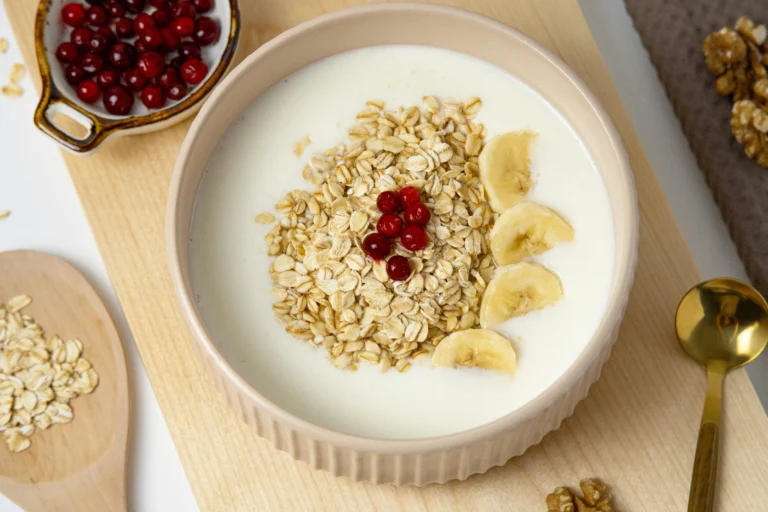
The Health Benefits of Oats: Why I Started Eating Them Daily – Say goodbye to morning energy crashes and midday brain fog. Learn how eating a daily bowl of oatmeal naturally stabilizes your blood sugar, improves digestion, and lowers cholesterol.
Why Olive Oil Is More Than Just Cooking Fat
Here’s what most people get wrong: they treat olive oil like butter’s healthier cousin. It’s not. They’re fundamentally different foods that do different things in your body.
Olive oil is roughly 75% monounsaturated fat—the good kind your body actually needs. It’s packed with polyphenols (plant compounds with serious antioxidant power), vitamin E, vitamin K, and other compounds that interact with your body in meaningful ways. When you eat it, you’re not just consuming fat calories. You’re consuming bioactive molecules.
The distinction matters because it changes how your body processes it. These compounds don’t just pass through you—they actively affect inflammation, cellular health, and even your DNA expression.
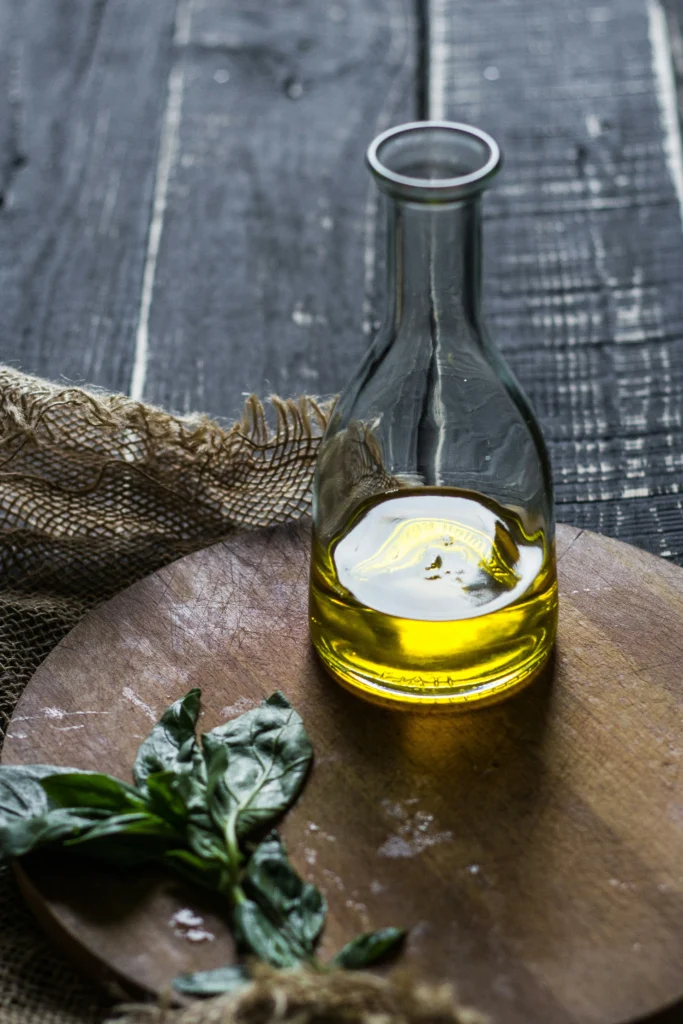
I started paying attention to which olive oils I was using, too. There’s a massive difference between extra virgin (cold-pressed, minimal processing) and regular “olive oil” (refined, stripped of most polyphenols). When you see “olive oil” on a label with no “virgin” qualifier, it’s been processed and bleached. It’s not bad, but it’s not the same product nutritionally.
What Eating Olive Oil Does for Your Body: The Key Benefits
Let me be clear upfront: I’m not claiming olive oil is a miracle cure. But the research on what eating olive oil actually does for your body is genuinely impressive. Here are the main areas where people see real changes.
1. Heart Health (The Most Proven Benefit)
This one has decades of research behind it. The Mediterranean diet—which centers on olive oil—consistently shows the strongest cardiovascular benefits in nutrition science. People who consume olive oil regularly typically have better cholesterol profiles, lower blood pressure, and reduced inflammation in their arteries.
The polyphenols in olive oil directly affect how your arteries function. They help your arteries stay flexible and responsive, which means better blood flow. Over months of regular consumption, many people see improvements in blood pressure readings. I’ve watched friends’ numbers improve when they made this switch.
What’s particularly interesting is that you don’t need to consume massive amounts. We’re talking 1-2 tablespoons daily showing measurable cardiovascular benefits in studies.
9 Vegetables to Plant Before July Ends (Don’t Miss This) – Think the gardening season is over? Think again. Discover 9 fast-growing, heat-loving vegetables you can still plant right now to secure a massive, delicious autumn harvest.
2. Brain Function and Memory
Your brain is about 60% fat by dry weight. The kind of fat you eat matters enormously for how it functions. Olive oil’s monounsaturated fats support cell membrane structure, and those polyphenols appear to cross the blood-brain barrier and reduce oxidative stress in brain tissue.
People often ask if they’ll notice this. Honestly? After a couple months of regular olive oil consumption, people frequently report sharper thinking, fewer afternoon brain fog episodes, and better memory. It’s not dramatic—it’s more like removing static from a radio signal.
3. Anti-Inflammatory Effects
Inflammation is the root of basically every chronic disease we see today. Olive oil doesn’t just avoid promoting inflammation (like some foods do); it actively works against it. The polyphenol called oleocanthal acts remarkably similarly to ibuprofen in your body, though obviously more gently and without the side effects.
When I upped my olive oil intake, my joint aches—the kind I just assumed came with aging—started decreasing noticeably. I could tell within 3-4 weeks.
4. Digestive Health
Olive oil triggers bile production and improves fat digestion. It also feeds your good gut bacteria. Regular consumption often leads to more stable digestion and better regularity. I’ve had multiple people tell me their bloating decreased significantly once they incorporated olive oil daily.
5. Weight Management
This seems counterintuitive—fat helping with weight—but olive oil triggers satiety signals in your brain. It tells you to feel full. People who eat olive oil regularly typically eat less overall, not because they’re restricting, but because they genuinely feel satisfied sooner. I notice this in myself: a salad with good olive oil keeps me fuller longer than the same salad with ranch dressing.
6. Skin and Cellular Health
The vitamin E and polyphenols protect your skin cells from oxidative damage. Eating olive oil (not just using it topically, though that helps too) improves skin hydration from the inside. After 6-8 weeks of consistent olive oil consumption, people often notice their skin looks more radiant and supple.
7. Blood Sugar Stability
Olive oil slows the rate at which carbohydrates enter your bloodstream, preventing blood sugar spikes. This is huge for energy stability. You stop riding the energy roller coaster of refined carbs.
8. Reduced Risk of Type 2 Diabetes
Studies consistently show that regular olive oil consumption is associated with lower diabetes risk. Even people with pre-diabetes see improvements in their markers when they make this a dietary habit.
9. Longevity (Probably)
The populations that consume the most olive oil—Mediterranean regions—have some of the longest healthy lifespans on Earth. Is olive oil the only reason? No. But it’s clearly part of a pattern that works.
A Quick Reference: Types of Olive Oil and Their Benefits
| Type | Processing | Polyphenol Content | Best Use |
|---|---|---|---|
| Extra Virgin | Cold-pressed, minimal processing | High | Dressings, drizzling, dipping |
| Virgin | Slightly refined | Medium-High | Cooking at moderate temps |
| Regular/Light | Refined, heated | Low | High-heat cooking (though not ideal) |
The extra virgin stuff matters if you want the polyphenol benefits. If you’re using regular olive oil for high-heat cooking, you’re getting the fat benefits but missing most of the anti-inflammatory compounds.
How Much Olive Oil Should You Actually Consume?
This is where people overthink it. You don’t need to go crazy.
The research suggests that 1-2 tablespoons daily is the sweet spot for health benefits. That’s not a massive amount. I typically get mine through:
- A tablespoon drizzled on breakfast (eggs, avocado toast, whatever)
- 1-2 tablespoons in salad dressing at lunch
- A tablespoon or two used in cooking dinner
Some days I get more, some less. I’m not measuring obsessively. The point is making it a regular part of your eating pattern, not a special occasion thing.
And yes, olive oil has calories (about 120 per tablespoon). If you’re adding it on top of your normal diet, you’ll gain weight. The people who see weight benefits are typically replacing other fats with it—swapping mayo for olive oil, or butter for olive oil in cooking.
Common Mistakes People Make With Olive Oil
I see these constantly, so let me save you some time and money:
1. Buying cheap olive oil and expecting benefits. Not all olive oil is created equal. The discount bin stuff has been processed to death. You don’t need the most expensive bottle, but spend at least a few dollars more for quality extra virgin.
2. Heating extra virgin olive oil. This breaks down the polyphenols. Save the fancy stuff for finishing dishes and dressings. Use regular olive oil for cooking.
3. Treating it like medicine instead of food. People take a tablespoon of olive oil and expect instant results. It works gradually, over weeks and months. Be patient.
4. Storing it in the sunlight. Light and heat destroy polyphenols. Keep your olive oil in a dark cabinet, not next to the stove.
5. Assuming all health benefits come from the fat. Many benefits come from the polyphenols, which degrade over time. Use your olive oil within a year of purchase.
6. Forgetting about calorie balance. Two tablespoons of olive oil is 240 calories. If you’re adding it without adjusting other foods, that’s 1,700 extra calories per week.
FAQ: Your Top Questions About Eating Olive Oil
A Real Pattern I’ve Noticed
After watching this play out in my own life and hearing from dozens of people, the pattern is consistent: when someone actually makes olive oil a daily habit (not just occasional), they report feeling different within a month. Better digestion, more stable energy, clearer skin. The cardiovascular and longevity benefits take longer to measure, but the immediate quality-of-life stuff? That’s noticeable.
The secret isn’t some magic compound. It’s that olive oil carries nutrients your body genuinely needs, and most modern diets are missing them. You’re not adding a supplement. You’re adding a real food that works.
The best part? Unlike most health advice, this one actually tastes good. You’re not choking down something bitter for your health. You’re eating something that makes your food better while making your body better.
Start with one tablespoon a day—tomorrow. Try it for four weeks. I’d bet money you’ll notice something.