7 Fruit Trees You Should Prune in Summer (And Why)
Every June, I get the same question from neighbors leaning over my fence: “Isn’t pruning a winter job?” Fair question. Most of us grew up thinking pruning meant bare branches and cold fingers. But there are 7 fruit trees you should prune in summer, and skipping this step is one of the sneakiest ways to end up with a tree that grows tall, leafy, and fruitless. I learned this the hard way with a plum tree that shot up six feet in one season and gave me exactly four plums.
That was the year I started reading up on why summer pruning even exists, instead of just following whatever my dad did in his garden decades ago. Turns out the timing isn’t random at all — it’s tied directly to how each species heals, fruits, and fights off disease.
No. 1 High-Protein Snack Nutrition: A deep-dive nutritional profile highlighting the absolute best high-protein snack for muscle recovery and fat loss, analyzing its macro breakdown, amino acid profile, and how it compares to processed fitness bars.
Why Summer Pruning Matters More Than You Think
Winter pruning encourages vigorous new growth. That sounds great until you realize “vigorous growth” often means more leaves, not more fruit.
Summer pruning does the opposite. It slows the tree down, redirects energy into the fruit that’s already forming, and lets sunlight reach the branches that need it to ripen properly.
There’s also a disease angle. Stone fruit trees like plums and cherries are prone to silver leaf disease, a fungal infection that enters through fresh pruning wounds. The fungus spreads far more easily in cold, damp weather, so cutting these trees in summer, when the air is warmer and drier, may help lower the risk. I’m not a plant pathologist, so if you notice purplish leaf streaking or dieback after pruning, it’s worth checking with a local extension office or certified arborist rather than guessing.
And then there’s the light factor, which I underestimated for years. A dense, overgrown canopy blocks sun from reaching the inner branches, and fruit that never sees direct light tends to stay smaller and less sweet. Thinning things out in summer, while you can actually see the leaves and shade patterns, is a lot easier than guessing at it during winter dormancy when the tree is just a skeleton of bare wood.
How to Blanch Broccoli: A quick culinary guide detailing the exact boiling and ice-bath shocking method to lock in bright green color and crisp texture.
The 7 Fruit Trees You Should Prune in Summer
Not every fruit tree wants the same treatment. Here’s how I break it down in my own garden, tree by tree.
1. Apple Trees
Apples are usually a winter-pruning tree, but if you’re growing a trained form — an espalier, cordon, or fan against a wall — summer is when you shape it. Cut back the current season’s leafy side shoots to about three leaves above the basal cluster once they’ve turned woody at the base, usually late July into August. Skip this step and a cordon apple turns into an unruly bush within a couple of seasons, which is exactly what happened to the one by my back gate before I caught on.
2. Pear Trees
Same logic as apples here. Trained pears respond really well to a summer trim because it keeps the tree flat, tidy, and focused on fruiting spurs instead of throwing up long whippy growth. I prune mine in the first two weeks of August, right after the hottest stretch of summer has passed. If you’re new to this, look for shoots that have gone from soft and green to firm and woody at the base — that’s your signal they’re ready to cut.
3. Plum Trees
This is the one that taught me my lesson. Plums are stone fruit, so they’re vulnerable to silver leaf disease if pruned in winter. Prune plums in mid-to-late summer, right after harvest, removing any crossing branches and cutting back overly vigorous growth by about a third. Established trees usually only need this every year or two once they’ve settled into a good shape, so don’t feel like you have to go hard every single season.
4. Cherry Trees
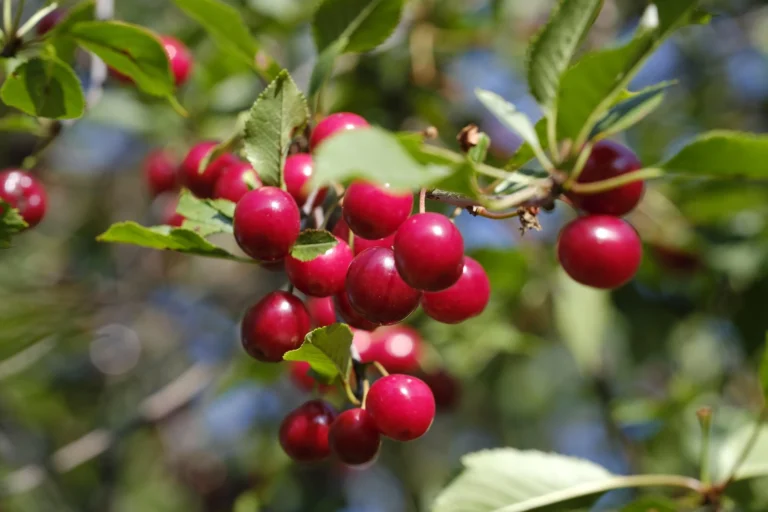
Cherries fall into the same stone-fruit category as plums. Once you’ve picked the last cherry, that’s your cue. I prune mine within two to three weeks of harvest, taking out dead wood, water sprouts (those straight vertical shoots), and anything rubbing against another branch. Sweet cherries especially benefit from an open center, since a congested canopy holds moisture and invites brown rot on the fruit.
5. Peach and Nectarine Trees
Peaches fruit on the previous year’s growth, so summer pruning right after harvest sets up next year’s crop. Remove about a third of the oldest fruited wood and thin out crowded centers so sunlight and air can move through the canopy. Good airflow genuinely may help reduce fungal issues like peach leaf curl. I also take this chance to remove any low branches that dip so close to the ground they’d drag fruit through the soil next year.
6. Apricot Trees
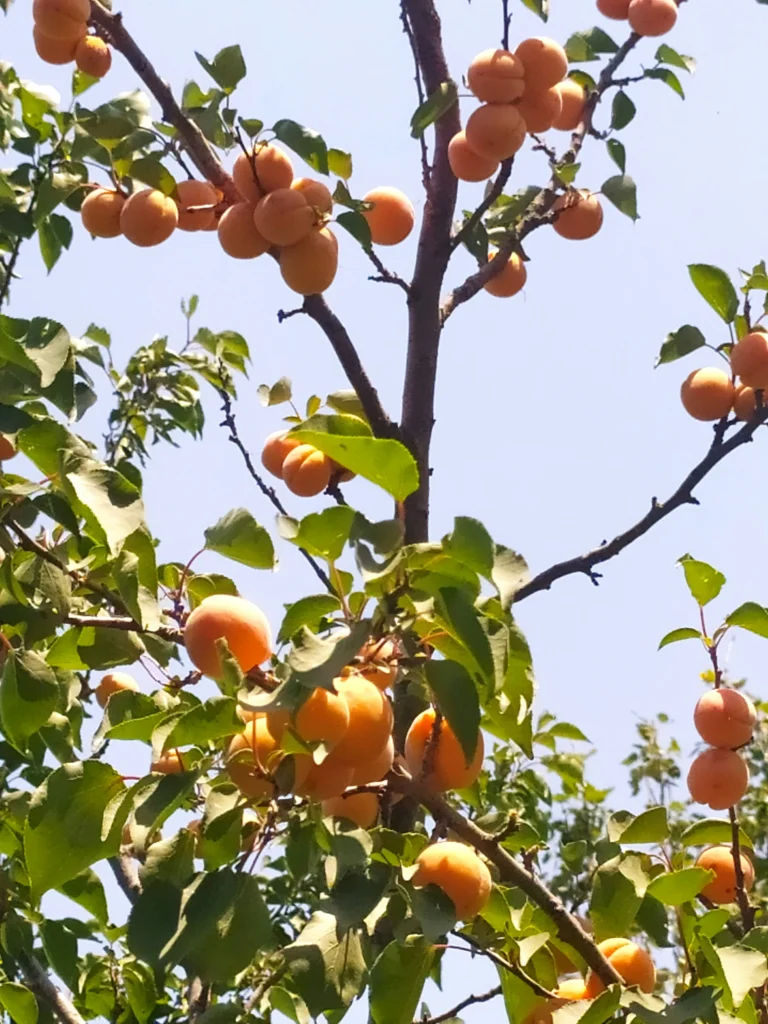
Apricots are stone fruit too, and honestly one of the most silver-leaf-sensitive trees I’ve worked with. Prune them in July or August, in dry weather if you can manage it, and always with clean, sharp tools. I try to keep cuts small on apricots specifically — anything over an inch or two across seems to take noticeably longer to callus over, based on what I’ve seen in my own garden.
7. Fig Trees
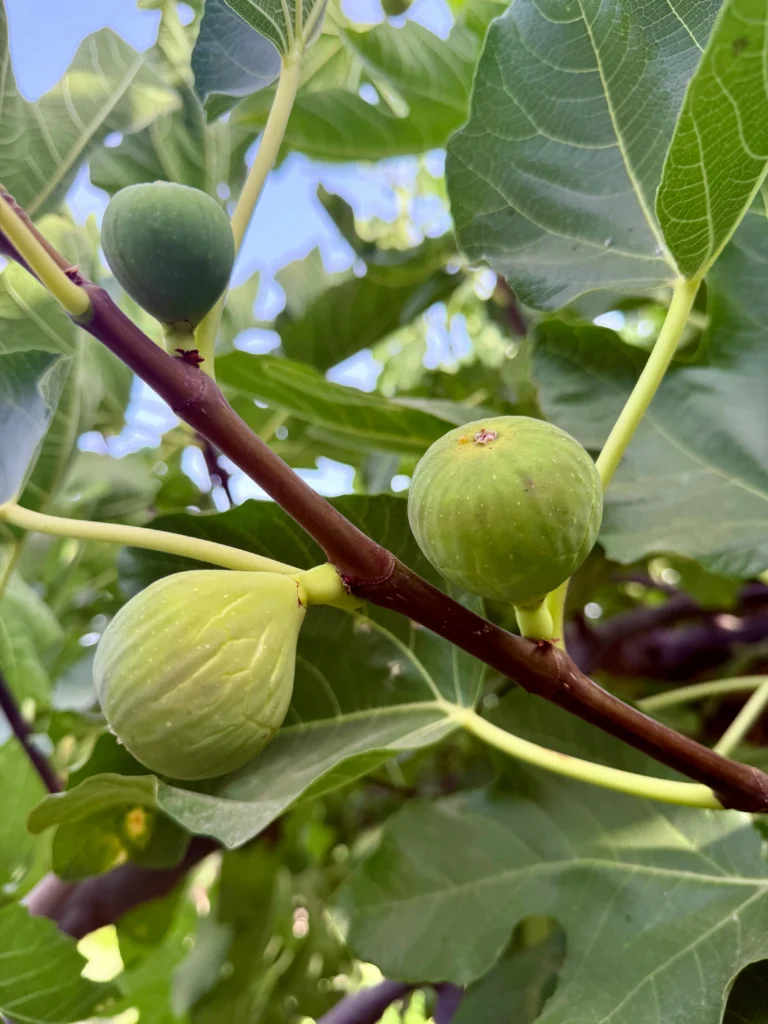
Figs get a slightly different summer job: pinching, not full pruning. Around late June, pinch out the growing tip of each new shoot once it has five or six leaves. This stops the shoot from stretching further and pushes the tree to focus on ripening the embryonic figs already forming near the tips. It’s oddly satisfying work, honestly — just your thumb and forefinger, no tools required, and you can see the difference within a couple of weeks as the small figs start swelling.
10 Companion Plants to Grow Next to Potatoes: A quick organic gardening guide showing which neighbor plants naturally repel pests and increase potato yields.
How to Prune Fruit Trees in Summer: Step-by-Step
Once you know which trees are on the list, the actual process is pretty consistent. Here’s the routine I follow every year.
- Check the weather forecast. Aim for a dry stretch with no rain expected for at least 48 hours. Wet cuts on stone fruit are an open invitation for disease.
- Clean your tools. Wipe blades with rubbing alcohol or a diluted bleach solution before you start, and again between trees.
- Remove the “3 D’s” first. Dead, damaged, and diseased wood always comes off first, regardless of species.
- Cut back new growth. For trained apples and pears, shorten this year’s side shoots to three leaves above the base cluster.
- Thin, don’t shear. Step back after every few cuts and look at the shape. You want light and air moving through, not a hedge-like wall of leaves.
- Make clean, angled cuts. Cut just above a bud at a slight angle so water runs off instead of pooling on the wound.
- Clean up fallen material. Rake away prunings and fallen fruit, especially around stone fruit trees, since debris left on the ground can harbor fungal spores over winter.
Quick-Reference Table: When and Why to Prune Each Tree
| Tree | Best Summer Window | Main Reason to Prune Now |
|---|---|---|
| Apple (trained forms) | Late July–August | Control size, encourage fruiting spurs |
| Pear (trained forms) | Early–mid August | Keep shape, redirect energy to fruit |
| Plum | Right after harvest | Lower silver leaf disease risk |
| Cherry | 2–3 weeks post-harvest | Remove water sprouts, reduce disease risk |
| Peach/Nectarine | Right after harvest | Open canopy, set up next year’s fruiting wood |
| Apricot | July–August, dry days | High silver leaf sensitivity |
| Fig | Late June (pinching) | Stop shoot stretch, ripen existing fruit |
Quick-Reference Checklist Before You Start
- Sharp, clean bypass pruners (not anvil-style, which can crush stems)
- Dry weather forecast for the next two days
- Gloves and safety glasses if you’re working overhead
- A clear idea of the tree’s final shape before you make the first cut
- A plan for disposing of prunings, especially anything showing signs of disease
Signs Your Fruit Tree Is Overdue for Summer Pruning
Not sure if your tree actually needs attention right now? These are the tells I look for before I even pick up my pruners.
- A shaded, dense center. If you can’t see through the canopy to the sky on a sunny day, light isn’t reaching the inner fruit either.
- Long, whippy shoots with no side branches. These are usually water sprouts, and they steal energy from the rest of the tree without producing much fruit themselves.
- Small or unevenly ripened fruit. This often points to overcrowding rather than a soil or watering problem.
- Branches crossing and rubbing. Over time, the rubbing wears through bark and creates an easy entry point for pests and disease.
- Fruit forming only at the very tips of branches. This is common on neglected peach and plum trees, and it’s a strong sign the older wood needs thinning.
If you’re spotting two or more of these, it’s a good indicator your tree has been overdue for a summer trim for a while.
Common Mistakes to Avoid
I’ve made most of these myself, so consider this the shortcut version of my trial and error.
- Pruning stone fruit in winter out of habit. Old advice sticks around. If it’s a plum, cherry, peach, or apricot, summer is your window.
- Cutting too much in one go. Removing more than about a quarter of the canopy in a single session stresses the tree. Spread heavy work over two seasons if needed.
- Using dull or dirty tools. A ragged cut heals slower and is an easier entry point for fungus and pests.
- Ignoring the weather. Pruning right before rain undoes a lot of the disease-prevention benefit summer pruning is supposed to give you.
- Forgetting to step back and look. It’s easy to get tunnel vision on one branch and lose sight of the tree’s overall shape.
- Pruning a stressed or drought-hit tree. If your tree has been struggling through a heat wave with little water, give it a chance to recover first. Pruning adds stress on top of stress, and healing slows down considerably.
When to Call in a Professional Arborist
Most home pruning jobs on young or moderately sized trees are totally manageable yourself. But if you’re dealing with a mature tree over 15 feet tall, storm damage, large limbs near power lines, or signs of serious disease like fungal cankers or widespread dieback, it’s genuinely worth bringing in a certified arborist. They’ll have the equipment and training to handle it safely, and a second opinion never hurts when a tree’s health — or your safety — is on the line.
I’ll also admit I called one out once for a cherry tree I was convinced had silver leaf. It turned out to be a much less serious issue, but the peace of mind was worth the callout fee, and I learned a few things about the tree’s structure I wouldn’t have picked up on my own.
FAQs About Pruning Fruit Trees in Summer
Final Thoughts
Pruning always felt like one of those chores I’d put off until I actually saw the difference it made. That first summer I pruned my plum tree properly, the next year’s harvest went from a handful of fruit to more plums than I knew what to do with. It’s a small window of effort for a much bigger payoff the following season.
You don’t need to tackle all seven trees in one weekend, and honestly, you shouldn’t try. Grab your pruners on the next dry afternoon, start with just one tree, and pay attention to how it responds over the following weeks. You’ll get a feel for your own trees pretty fast, and next summer, the whole process will feel a lot more like second nature than a chore.
4 Comments