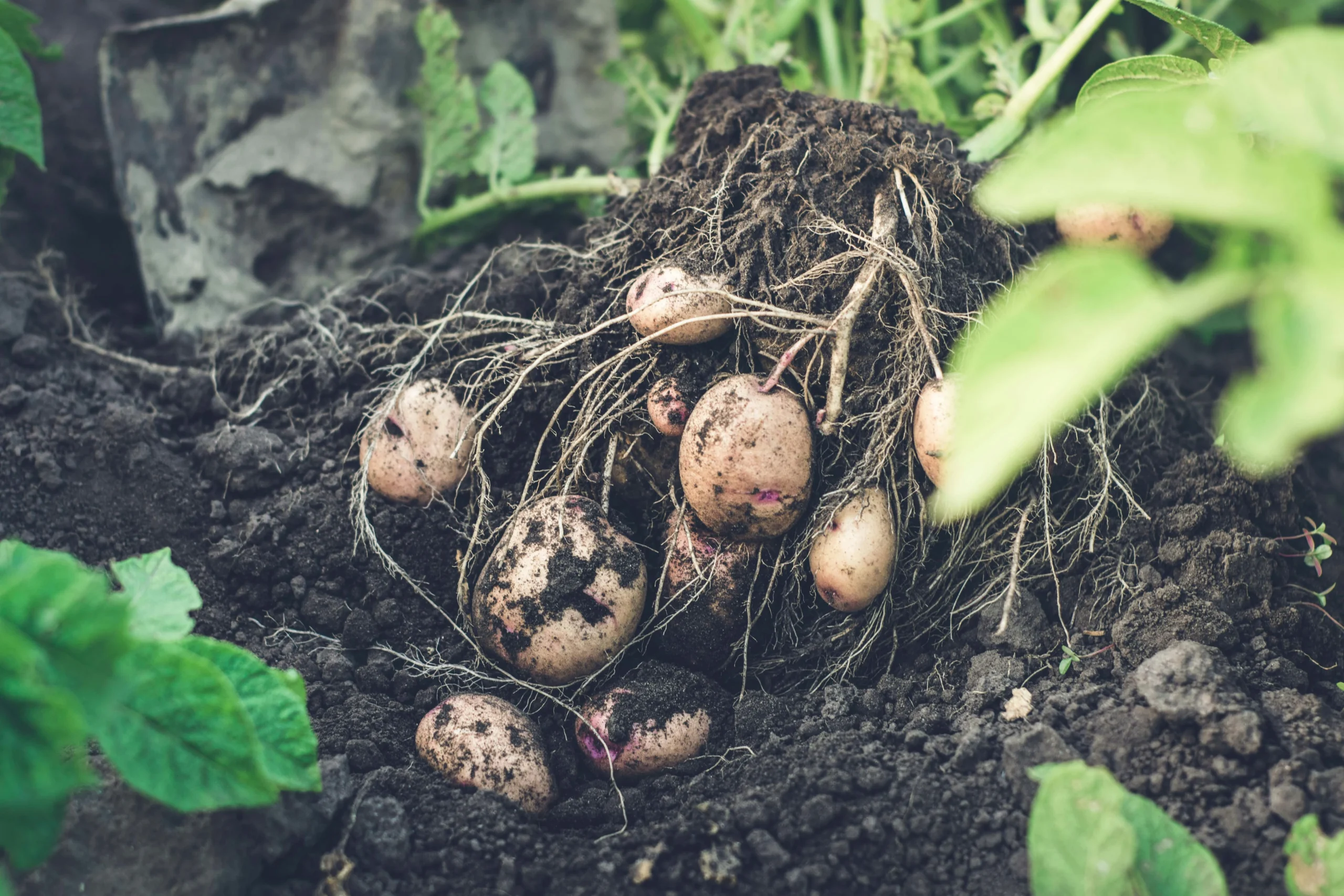
10 Best Companion Plants to Grow Next to Potatoes for a Bigger Harvest
The first year I grew potatoes, I planted a whole bed of them alone, and I ended up fighting Colorado potato beetles all summer long. That’s when a neighbor pointed out I’d skipped one of the easiest gardening tricks there is. If you’re looking for 10 companion plants to grow next to potatoes, you’re basically looking for a way to cut down on pests, boost your soil, and get a better harvest without doing much extra work.
Potatoes aren’t fussy, but they do better with the right neighbors. Some plants repel pests, others improve the soil, and a few just make better use of the space. Let’s go through what’s actually worked for me and other gardeners I trust.
21 Unique Hosta Varieties With Stunning Variegated Foliage And Purple Blooms For Shady Gardens: A variety guide detailing 21 distinct hostas categorized by traits like giant leaves, blue-silver tones, vivid variegation, and fragrant summer flowers, complete with critical light and soil requirements.
Why Companion Planting Actually Matters for Potatoes
I used to think companion planting was one of those old wives’ tales gardeners passed around without any real basis. Then I planted horseradish at the corner of my potato bed one year, and my blight problems dropped noticeably. Was it the horseradish? Maybe. Maybe it was just a drier summer. But enough gardeners report the same pattern that I stopped dismissing it.
The real benefits come down to three things: pest confusion (bugs have a harder time finding their target crop when the smell profile of the bed is mixed), soil improvement (some plants fix nitrogen or break up compacted soil with deep roots), and better use of space (shallow-rooted plants can fill gaps between potato rows without competing for the same nutrients).
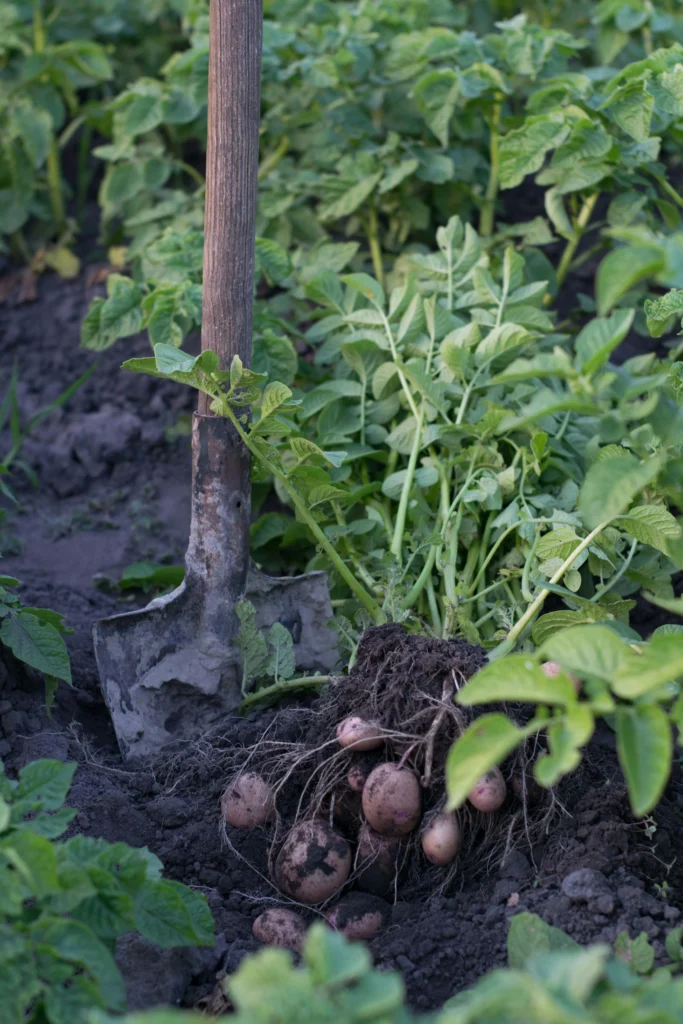
10 Companion Plants to Grow Next to Potatoes
Here’s the full list, with the reasoning behind each one so you’re not just following instructions blindly.
1. Beans
Bush beans and pole beans both fix nitrogen in the soil, which potatoes appreciate since they’re fairly heavy feeders. Beans also seem to confuse the Mexican bean beetle and the Colorado potato beetle when planted together, since neither pest’s preferred host plant is as easy to locate.
2. Corn
Corn’s tall, narrow growth habit doesn’t compete much for sunlight at ground level, so it works well planted a couple of rows away from potatoes. It also gives climbing beans something to grow up if you’re doing a three-way planting.
3. Marigolds
I plant marigolds around the border of nearly every vegetable bed at this point. Their roots release compounds that may help suppress root-knot nematodes in the soil, and the strong scent seems to throw off aphids and some beetles looking for potato foliage.
4. Horseradish
This is the one I mentioned earlier. Horseradish is often credited with reducing potato beetle and blight pressure when planted at the corners of a potato patch. I’d plant it in a large container sunk into the ground, though, because horseradish spreads aggressively and you don’t want it taking over the whole bed.
5. Cilantro
Cilantro flowers attract predatory insects like lacewings and hoverflies, which feed on aphids. I let a few plants bolt on purpose every summer just for this reason, even though I don’t use much cilantro in the kitchen.
6. Nasturtiums
Nasturtiums act almost like a sacrificial crop. Aphids seem to prefer them over potato leaves, which pulls pest pressure away from your main crop. They’re also edible and add a nice peppery bite to salads if you want to use the flowers.
7. Cabbage and Other Brassicas
Cabbage, broccoli, and kale don’t compete heavily with potatoes for nutrients since they draw from slightly different soil depths. Just don’t crowd them too close, since both crops benefit from decent airflow to avoid fungal issues.
8. Sweet Alyssum
This low-growing groundcover fills space between potato rows nicely and attracts hoverflies and parasitic wasps, both of which help control aphid populations. It also suppresses weeds simply by covering bare soil.
9. Peas
Like beans, peas fix nitrogen in the soil. I plant them early in spring before the potatoes really take off, so by the time the potato foliage fills in, the peas are already finishing their season and clearing space.
10. Yarrow
Yarrow attracts ladybugs, which are one of the best natural predators for aphids and other soft-bodied pests. It’s also drought-tolerant, so it won’t compete much for water even in a dry summer.
How to Clean Cat Pee Smell Out of Carpet Completely: A complete guide to permanently eliminating stubborn feline odors by using specialized enzymatic cleaners to target and dissolve trapped uric acid crystals rather than merely masking the scent.
Quick-Reference Comparison Table
| Companion Plant | Main Benefit | Planting Distance from Potatoes |
|---|---|---|
| Beans | Nitrogen fixing, pest confusion | 12–18 inches |
| Corn | Space efficiency, trellis for beans | 24–36 inches |
| Marigolds | Nematode and pest deterrent | Bed borders |
| Horseradish | Beetle and blight deterrent | Bed corners, contained |
| Cilantro | Attracts predatory insects | 12 inches |
| Nasturtiums | Draws aphids away from potatoes | 12–18 inches |
| Cabbage/Brassicas | Low nutrient competition | 18–24 inches |
| Sweet Alyssum | Weed suppression, beneficial insects | Fills row gaps |
| Peas | Nitrogen fixing, early harvest | 12 inches |
| Yarrow | Attracts ladybugs | Bed borders |
How to Plan a Potato Companion Bed Step by Step
Planning this out ahead of time saves a lot of headache once everything starts growing. Here’s the process I follow every spring.
- Test your soil first. Potatoes like slightly acidic soil, around 5.0 to 6.5 pH, so check before planting anything else nearby.
- Plant potatoes in rows with 12 inches between seed pieces and 30 inches between rows.
- Add nitrogen-fixing companions (beans or peas) along the row edges rather than directly between potato plants, so you’re not disturbing tubers when you harvest.
- Border the whole bed with marigolds, yarrow, or nasturtiums for pest control and pollinator support.
- Fill any remaining gaps with sweet alyssum or cilantro to reduce weeds and support beneficial insects.
- Hill your potatoes as usual, mounding soil around the base every few weeks, being careful not to bury your companion plants in the process.
10 Hobbies for Older Adults That Boost Brain and Body Health: A wellness guide exploring 10 budget-friendly activities—including gardening, learning an instrument, and water aerobics—that introduce cognitive novelty and physical movement to actively support healthy aging and reduce social isolation.
Timing Your Companion Planting Right
Timing matters more than people expect. I’ve thrown seeds in the ground at the wrong point in the season and wondered why my “companion planting” did nothing useful.
Early Spring
Plant peas and early brassicas like kale a few weeks before your potatoes go in, especially if your soil is still cool. This gives nitrogen-fixing peas a head start, and by the time potato foliage really fills out, the peas are often finishing up and freeing space.
Mid-Spring, Alongside Potato Planting
This is when I put in beans, marigolds, and nasturtiums, right around the same week the potato seed pieces go into the ground. They grow at a similar pace and won’t shade each other out early on.
Early Summer
Cilantro and sweet alyssum can go in once the soil has warmed a bit more. Both prefer slightly cooler conditions than peak summer heat, so getting them started in early summer instead of high summer usually gives better results.
Companion Planting in Raised Beds vs. In-Ground Rows
If you’re working with a raised bed instead of traditional rows, the spacing advice above still applies, but you’ll want to think in terms of zones rather than straight lines. I plant potatoes in a block in the center of the bed and ring the outer edge with marigolds, nasturtiums, or yarrow. Beans and peas go along one shorter side where they won’t shade the potato foliage.
In-ground rows give you more flexibility with corn and pole beans, since you can space rows further apart and let the taller plants do their own thing without crowding a raised bed’s limited square footage. Either setup works fine — it’s really about matching the companion plants to how much room you actually have.
Plants to Avoid Near Potatoes
Not everything grows well next to potatoes, and this matters just as much as knowing what to plant.
- Tomatoes – Both are in the nightshade family and share susceptibility to blight, so planting them close together increases disease risk for both crops.
- Cucumbers and squash – These can compete heavily for the same nutrients and sometimes attract similar pests like cucumber beetles.
- Sunflowers – Their extensive root systems and allelopathic compounds may stunt potato growth if planted too close.
- Raspberries – Known to share some blight susceptibility with potatoes, so it’s best to keep a good distance between the two.
Common Mistakes to Avoid
- Planting nightshades together. Tomatoes, peppers, and potatoes all share disease vulnerabilities — spread them out around the garden instead of clustering them.
- Letting horseradish run wild. I learned this one the hard way after it took over a third of my bed by August.
- Overcrowding the bed. Even beneficial companions need airflow; cramming too many plants in leads to fungal problems in humid weather.
- Ignoring soil pH. Potatoes thrive in slightly acidic soil, and some companions (like brassicas) prefer more neutral conditions, so a middle-ground pH works best for both.
- Forgetting to rotate crops yearly. Companion planting helps, but it doesn’t replace proper crop rotation for managing soil-borne diseases long term.
When to Get Extra Help
If your potato plants show widespread wilting, blackened stems, or a sudden die-off despite good companion planting and proper watering, it’s worth reaching out to a local extension office or experienced nursery professional. Some diseases, like late blight, spread fast and may need more targeted treatment than home remedies can offer.
FAQ: Common Questions About Potato Companion Planting
Final Thoughts From My Own Potato Patch
Companion planting isn’t a magic fix, and I’d be lying if I said it solved every pest problem I’ve ever had. But when I started pairing my potatoes with beans, marigolds, and a border of yarrow, my beetle problems dropped noticeably, and my soil felt richer by the end of the season. If you’re deciding between these 10 companion plants to grow next to potatoes, start small — pick two or three, watch how they do in your specific soil and climate, and build your bed from there next year.
2 Comments