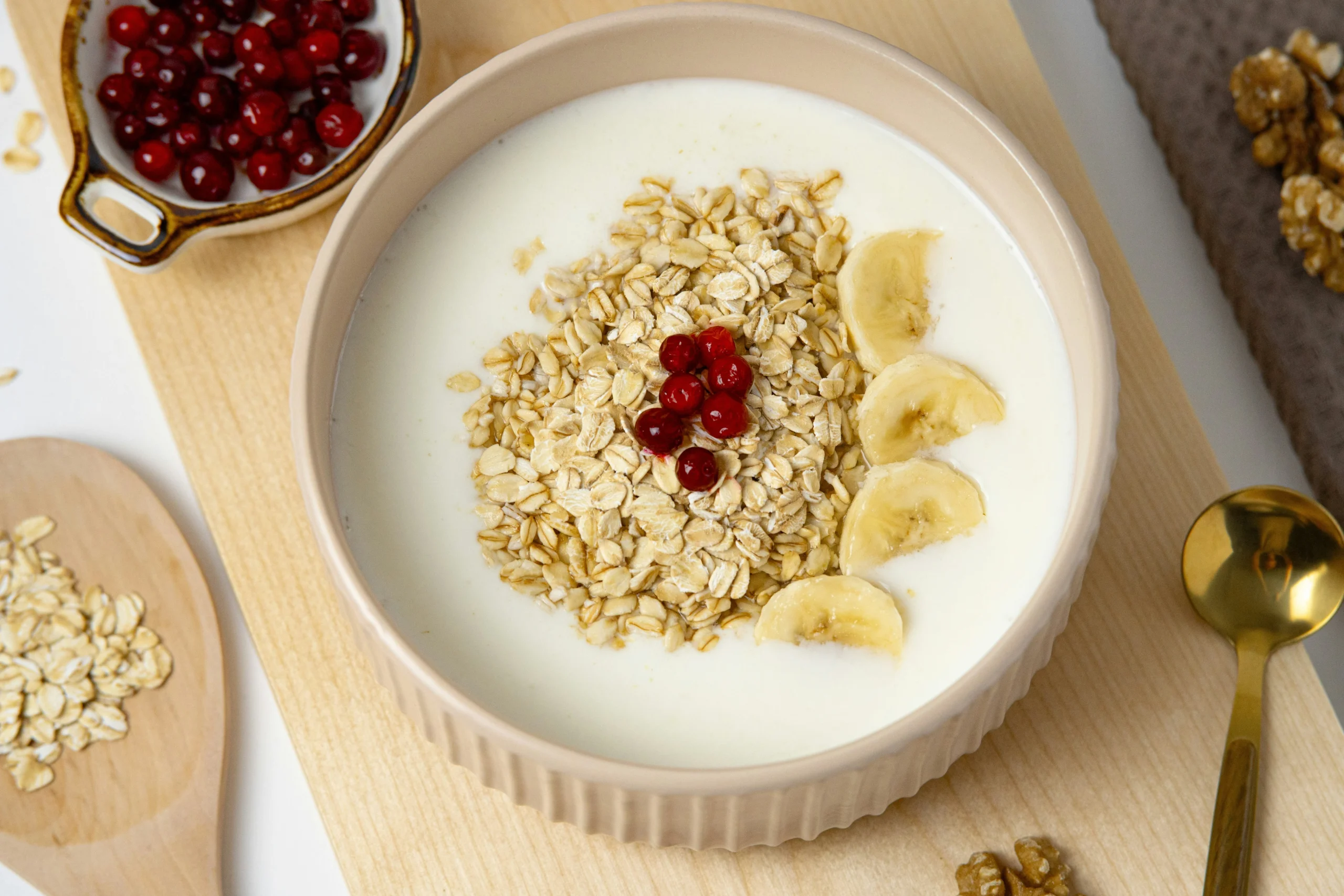
The Health Benefits of Oats: Why I Started Eating Them Daily
I used to skip breakfast entirely. Coffee and willpower got me through mornings until lunch, and then I’d crash hard around 3 PM. My energy was terrible, my focus was scattered, and I genuinely thought that’s just how I was built. Then my doctor suggested I try starting my day with oats. I rolled my eyes—oats sounded boring and old-fashioned. But within a week of eating a bowl of oatmeal every morning, something shifted. My energy stabilized. I stopped the afternoon crash. My digestion improved.
That’s when I started researching the health benefits of oats seriously, and I discovered this humble grain is actually backed by decades of nutritional science. I’m not exaggerating when I say oats changed my daily experience. This guide covers what oats actually do for your body, which types matter most, and how to make them work in your life without them becoming another bland “healthy” food you force down.
9 Vegetables to Plant Before July Ends Don’t pack away your gardening tools just yet! Discover 9 fast-growing vegetables you can plant right now to secure a massive autumn harvest.
What Makes Oats So Special Nutritionally
Before we talk benefits, let me explain what you’re actually eating. Oats are a whole grain, which means they contain the entire kernel—the bran, germ, and endosperm. This matters because most processing removes parts of the grain, but oats mostly stay intact. That’s where the nutrition lives.
The star of the oat show is something called beta-glucan, a type of soluble fiber that’s basically why oats show up on every “healthy foods” list. When I learned about beta-glucan, I finally understood why I felt so different eating oats versus, say, toast or cereal.
Half a cup of dry oats (which makes about a cup of cooked oatmeal) contains roughly 27 grams of carbs, 5 grams of protein, and 8 grams of fiber. But here’s the thing nobody talks about: the way those nutrients are packaged matters. Because they come from a whole grain, your body processes them differently than it processes the same nutrients from refined foods. It’s slower absorption, steadier energy, and your body actually has to work to digest them—which is actually a good thing.
Oats also contain manganese, phosphorus, magnesium, and zinc. They’re not a complete protein (you need other foods for that), but they’re more protein-rich than most grains. And they’re naturally gluten-free, which matters if you have celiac disease or gluten sensitivity (though oats can be contaminated if not labeled gluten-free).
Heart Health: The Most Proven Benefit
If I had to pick one reason to eat oats, it’s heart health. This isn’t marketing—it’s backed by consistent research that spans decades. The FDA even allows oat products to claim heart health benefits, which is rare.
The mechanism is straightforward: that beta-glucan fiber I mentioned binds to cholesterol in your digestive system and helps your body eliminate it. Studies show that eating oats regularly may help lower LDL cholesterol (the “bad” kind) by 5-10%. That might not sound dramatic, but a 5% reduction in LDL cholesterol correlates with roughly a 10% reduction in heart disease risk. Over a lifetime, that’s significant.
I don’t have high cholesterol, but my father does. When I told him about oats, he was skeptical until his doctor mentioned the same research. He started eating a bowl of steel-cut oats most mornings, and when he got his cholesterol checked six months later, his numbers had improved noticeably—his doctor even reduced one of his medications.
The key here is consistency. This benefit doesn’t happen from eating oats once. It requires regular consumption over weeks and months. I’d say you need to eat oats at least 4-5 times per week to see meaningful changes in cholesterol levels.
Another heart benefit: oats may help regulate blood pressure. The magnesium in oats supports blood vessel function, which can help blood pressure stay in a healthy range. Again, this is “may help” based on research—not a guarantee—but the science is solid.
What to Do if a Skunk Sprays Your Pet A step-by-step emergency breakdown on how to safely neutralize skunk odor immediately, shield your pet’s eyes, and prevent the oily spray from ruining your home.

Digestion and Gut Health Benefits
This is where I noticed the most immediate change. Within days of eating oats regularly, my digestion improved. I was less bloated, more regular, and generally felt better. I initially thought it was placebo, but then I looked into what was actually happening.
The soluble fiber in oats (beta-glucan again) dissolves in water and creates a gel-like substance in your digestive system. This slows digestion, which sounds negative but is actually good—it means your body has more time to absorb nutrients and you feel full longer.
The insoluble fiber in oats (the stuff that doesn’t dissolve) acts as roughage, which helps move things through your digestive system. Together, these two types of fiber create an environment where beneficial gut bacteria thrive. I noticed this as fewer digestive issues and more consistent energy throughout the day.
However—and this is important—if you’re not used to eating much fiber, adding oats suddenly can actually cause bloating and gas initially. I made this mistake when I started. I went from almost no fiber to a big bowl of oatmeal daily, and my gut was not happy. It took about a week of regular oat consumption for my system to adjust. If this happens to you, start with a smaller portion (half a bowl) and increase gradually. Your digestive system needs time to adapt.
The No. 1 High-Protein Snack Nutrition Guide Ditch the empty calories and discover the absolute best, dietitian-approved high-protein snack to crush mid-afternoon cravings and stay full for hours.
Blood Sugar Management and Sustained Energy
This benefit changed my afternoons. I used to crash around 3 PM without fail. Now I don’t. The reason is oats’ effect on blood sugar.
Because oats are a whole grain with significant fiber content, they digest slowly. Slow digestion means glucose enters your bloodstream gradually instead of all at once. This creates steady, sustained energy instead of the spike-and-crash pattern you get from refined carbs.
I can eat a bowl of oatmeal at 7 AM and genuinely not feel hungry or tired until around noon. Compare that to toast or cereal, where I’m hungry again by 9 AM. The difference is dramatic, and it’s because my blood sugar stays stable.
A note on safety: If you have diabetes or pre-diabetes, oats are still generally a good choice because they’re lower on the glycemic index than many other grains. That said, portion size matters, and pairing oats with protein or fat helps. I always add nuts or Greek yogurt to my oatmeal, which further slows absorption and keeps blood sugar even steadier. If you’re managing diabetes, definitely talk to your doctor or dietitian about how much oatmeal is right for you.
Weight Management and Satiety
Weight management isn’t about restriction for me—it’s about feeling satisfied and not overeating. Oats help with that because they’re remarkably satiating. A bowl of oatmeal keeps me full for hours, which means I eat less overall without consciously trying.
The combination of protein (5g per half cup dry) and especially that soluble fiber creates a sustained fullness signal. Studies show people who eat oatmeal eat fewer calories at subsequent meals compared to people who eat other breakfasts. It’s not that oats are “low-calorie”—they’re actually moderate in calories, around 150-200 per cooked cup depending on preparation. It’s that they keep you satisfied longer.
I notice this most when I’m working from home. If I have oatmeal for breakfast, I don’t find myself snacking at 10 AM like I do with other breakfasts. That means fewer total calories for the day without deprivation.
Brain Function and Mental Clarity
This is the benefit I don’t see discussed enough, but I feel it every morning. Oats seem to support mental focus in a way other foods don’t for me.
Oats contain compounds like avenanthramides (yes, that’s a real word) that have antioxidant and anti-inflammatory properties. Inflammation in the brain is linked to cognitive decline, so reducing inflammation may support brain health. Plus, the steady glucose supply from oats means your brain gets consistent fuel without the fluctuations that impair focus.
I’m not a scientist, so I can’t cite this as proven fact. But objectively, my work output is better on mornings when I eat oatmeal versus mornings when I skip breakfast. And many people report the same thing—better focus, clearer thinking, fewer afternoon brain fog. Whether that’s the oats themselves, the sustained energy, or the simple act of eating breakfast, I’m not sure. But the effect is real.
The Health Benefits of Oats: Type Matters More Than You Think
Not all oats are created equal, and the type you choose affects both the health benefits and your experience eating them.
Steel-cut oats (also called Irish oats) are the least processed. They’re literally just oat groats cut into pieces. They take 20-30 minutes to cook, have a chewy texture, and retain the most nutrients. I prefer these for the benefits and the texture, though they require planning because of cook time.
Rolled oats (old-fashioned oats) are steamed and flattened, which breaks down the cell walls slightly. They cook in 5-10 minutes and have a softer texture. They still have excellent health benefits—don’t discount them just because they’re faster. They’re genuinely great.
Quick oats are rolled even thinner and cook in 1-3 minutes. They have a mushier texture that I personally don’t love, but nutritionally they’re still solid. The main concern is they’re easier to overcook into mush.
Instant oatmeal packets are heavily processed and often loaded with added sugar. They’re the least nutritious option and don’t deliver the sustained energy benefits of less-processed oats. I’d avoid these if you’re eating oats for health.
Oat flour is ground oats, useful for baking but not as effective for delivering those satiating benefits since you’re not chewing whole grains.
My recommendation: start with rolled oats if you want convenience, or steel-cut if you have time. Both deliver the health benefits effectively. Avoid instant packets with added sugar and flavorings.
Quick Reference: The Health Benefits of Oats at a Glance
| Benefit | How It Works | Timeline to Notice | How Often to Eat | Best Oat Type |
|---|---|---|---|---|
| Lower cholesterol | Beta-glucan binds cholesterol | 4-6 weeks of regular consumption | 4-5 times weekly | Steel-cut or rolled |
| Better digestion | Soluble + insoluble fiber | 3-7 days (may have initial bloating) | Daily is fine | Any whole grain oat |
| Stable blood sugar | Slow digestion, steady glucose release | 1-2 weeks | Daily | Steel-cut or rolled |
| Sustained energy | Protein + fiber = longer fullness | Immediately (1st bowl) | Daily | Any type |
| Weight management | High satiety, moderate calories | 2-3 weeks of consistent eating | Daily at breakfast | Rolled or steel-cut |
| Brain clarity | Antioxidants + steady fuel | Immediately | Daily | Any type |
How to Make Oats Actually Taste Good (And Stick With It)
Here’s the truth: if oats taste boring, you won’t eat them regularly. So let me share what actually makes them delicious.
Don’t just add sugar. Yes, brown sugar makes oats taste good, but it defeats the purpose of stable blood sugar. Instead, add:
- Fresh fruit: Berries, banana slices, or apple chunks add natural sweetness and antioxidants. I usually add a handful of berries and maybe half a banana.
- Nut butter: A tablespoon of almond or peanut butter adds protein, fat (which slows digestion further), and serious flavor. It transforms oatmeal from boring to actually crave-worthy.
- Nuts or seeds: A quarter-cup of almonds, walnuts, or pecans adds texture and healthy fats. Or a tablespoon of chia or flax seeds.
- Cinnamon and vanilla: These add huge flavor with zero calories. Cinnamon may also help with blood sugar regulation.
- Greek yogurt: A dollop stirred in adds protein and creaminess.
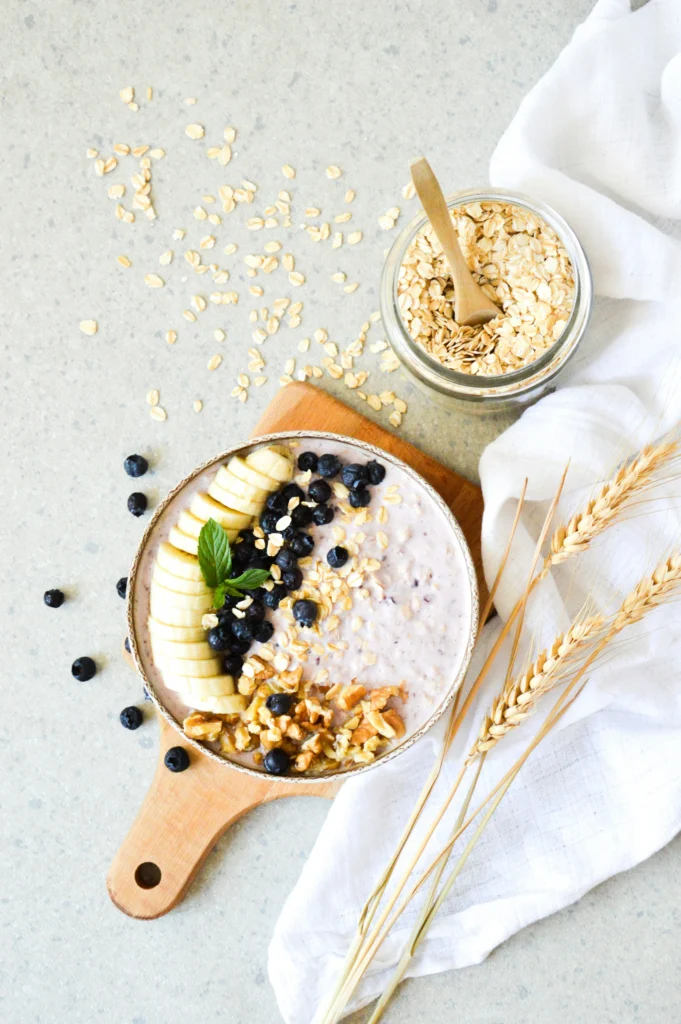
My personal favorite bowl: steel-cut oats with sliced banana, a tablespoon of almond butter, a handful of blueberries, and a pinch of cinnamon. It tastes like a treat but has genuine health benefits.
Practical tip: Cook oats in the evening for next morning. Steel-cut overnight oats are a real thing—just combine oats with milk (dairy or plant-based), refrigerate overnight, and eat cold or reheated in the morning. It’s convenient, requires zero willpower, and tastes legitimately good.
Common Mistakes People Make With Oats
1. Expecting overnight results.
Oats aren’t a magic pill. Cholesterol reduction takes weeks. Digestive improvement might happen faster, but don’t eat one bowl and expect to be transformed. Consistency is what creates benefits.
2. Using instant packets with added sugar.
These defeat the purpose. You’re getting fiber and some nutrients, but you’re also getting a blood sugar spike from all the added sugar. If you use instant oats, buy plain ones and add your own toppings.
3. Eating oats once a week and expecting benefits.
This won’t work. You need to eat oats regularly—at least 4-5 times per week for cholesterol benefits, ideally daily. If you don’t like oats, force yourself to make them taste good or find another healthy grain. But one occasional bowl won’t deliver results.
4. Not accounting for added liquid in overnight oats.
Overnight oats need a 1:1 ratio of oats to milk (roughly), or they get either too thick or too thin. Start with that ratio, taste, and adjust next time based on preference.
5. Assuming all oats are the same.
They’re really not. Read labels. Look for “whole grain oats” and check that sugar isn’t added. Some packages label themselves as “health oats” while actually being mostly sugar and processing.
6. Eating plain oats in large quantities.
A bowl of plain oatmeal gets old fast. Make it taste good with toppings, or you’ll stop eating it. The health benefits only matter if you actually consume oats consistently.
When to Consult a Professional
While oats are safe for most people, there are situations where you should talk to your doctor or a registered dietitian:
If you have celiac disease: Standard oats are gluten-free, but they’re often contaminated during processing. You need certified gluten-free oats.
If you have diabetes or pre-diabetes: Oats are generally good, but portion size matters. Talk to your healthcare provider about how much is right for your situation.
If you’re on cholesterol medication: Oats may enhance the effect of certain medications. Your doctor should know you’re increasing fiber intake significantly.
If you have a sensitive digestive system: Introducing lots of fiber suddenly can cause issues. Work with a dietitian to increase intake gradually and determine if oats are the right choice.
If you’re allergic to grains: While rare, some people have oat allergies. If you experience itching, swelling, or digestive distress after eating oats, consult an allergist.
For most people? Oats are safe, beneficial, and a smart addition to any diet.
FAQ: Your Oats Questions Answered
Making Oats Your Daily Habit
The health benefits of oats are real, but only if you actually eat them. So the real challenge isn’t understanding why oats are good—it’s integrating them into your life in a way that sticks.
My strategy: I set one day a week (usually Sunday) to prepare overnight oats for the next five mornings. I make five jars with slightly different flavor combinations so I don’t get bored. Takes maybe 20 minutes total, and suddenly I have five breakfasts ready. No excuses, no willpower required, just grab from the fridge and go.
You don’t need to do exactly that. Maybe you prefer cooking fresh oatmeal each morning. Maybe you want instant overnight oats. Maybe you bake oats into energy balls for grab-and-go snacks. The method doesn’t matter as long as you’re actually eating them.
Within two weeks of consistent oat consumption, you’ll notice something. For me it was energy. For my dad it was cholesterol numbers. For you it might be digestion, sustained focus, or simply feeling fuller and eating less. Once you experience the real benefits, oats stop being a “healthy food you should eat” and become food you actually want to eat. That’s when it becomes sustainable.
Starting Your Oats Journey Today
I never expected to become someone who’s enthusiastic about oatmeal. I was the coffee-and-skip-breakfast person. But once I experienced how different a day feels when I start with oats—steadier energy, clearer thinking, better digestion, the whole package—I couldn’t unsee it.
You don’t need to overhaul your diet or commit to drastic change. Just add oats to breakfast a few times a week and notice what happens. Give it 2-3 weeks of consistent eating before you judge whether it works for you. The health benefits of oats aren’t magic or immediate, but they’re real and cumulative. By this time next month, you might be wondering why you didn’t start sooner.




3 Comments