How to Add Fish to an Outdoor Pond: A Beginner’s Guide
I remember the day I bought my first koi. I was so excited that I basically dumped the fish straight into my pond without thinking twice. Within 48 hours, it was floating, gasping at the surface. Turns out, I’d made a rookie mistake that could’ve been avoided with just a little knowledge. Learning how to add fish to an outdoor pond correctly isn’t complicated, but it’s definitely not as simple as throwing them in and hoping for the best.
In this guide, I’m walking you through everything you need to know—from prepping your pond to introducing your fish safely to making sure they thrive long-term. Whether you’re setting up your first pond or adding new residents to an established one, you’ll find practical, tested advice here.
Why Adding Fish to an Outdoor Pond Isn’t as Simple as Dropping Them In
Here’s what I learned the hard way: a pond is an ecosystem. Your fish don’t just exist in water; they exist in a specific water with specific bacteria, pH levels, temperature, and dissolved oxygen. Plucking a fish from the store (which usually has different water conditions) and putting it directly into your pond is like flying someone from sea level to a mountain at 10,000 feet and expecting them to be fine immediately. Their body needs time to adjust.
When you add fish without acclimating them, you’re putting them through immediate osmotic stress. Their gills and scales are suddenly dealing with different mineral content, temperature swings, and bacterial populations. Even hardy fish can go into shock. The fish you buy at a store have been living in a controlled environment—usually kept at a specific temperature, with consistent pH, and filtered water. Your pond, even a well-maintained one, is going to be different.
What to Do If a Skunk Sprays Your Pet (Fast Recovery Guide) what-to-do-if-a-skunk-sprays-your-pet/ A fast recovery guide offering immediate steps and cleaning solutions to remove skunk odor from your pet’s fur safely.
This isn’t to scare you away from keeping pond fish. It’s just to explain why the process needs preparation and patience. Once you understand what’s happening biologically, everything else makes sense.
Preparing Your Pond Before Adding Fish
Before you even think about how to add fish to an outdoor pond, you need to make sure the pond itself is ready. This is where most people skip ahead and regret it.
Test Your Water Quality
This is non-negotiable. You need to know your pond’s pH level, ammonia levels, nitrite levels, and ideally your nitrate levels too. A basic test kit costs about $20–$40 and gives you the information you need. Ammonia and nitrite should be at zero. pH should be between 6.5 and 8.0 for most fish species (though this varies). If your levels are off, you need to address that before adding fish.
I learned this the hard way. My pond had elevated ammonia when I first tested it because I hadn’t given the biological filter enough time to establish. I did a partial water change, added beneficial bacteria supplements, and waited two weeks before adding fish. That patience paid off.
Ensure Adequate Filtration
Your pond needs a filter—preferably a biological filter that houses beneficial bacteria. These bacteria consume ammonia and nitrite, which are toxic to fish. Without them, fish waste builds up and poisons the water.
The rule of thumb: your filter should process the entire pond volume at least once every two hours. So if you have a 500-gallon pond, your filter should move at least 250 gallons per hour. If you’re not sure what you have, check your filter’s specs or talk to the person who installed it.
Give the Filter Time to Mature
A brand-new filter hasn’t established its beneficial bacterial colony yet. If you’re starting from scratch, run your filter for at least 2–4 weeks before adding fish. If you can, add a bacterial starter product to speed up colonization. Even with a starter, patience is key. Rushing this step is exactly how you end up with fish in toxic water.
Choosing the Right Fish Species
Not all fish work in outdoor ponds. Some need too much care, others are invasive, and some just won’t survive your climate.
Best Beginner Fish for Outdoor Ponds
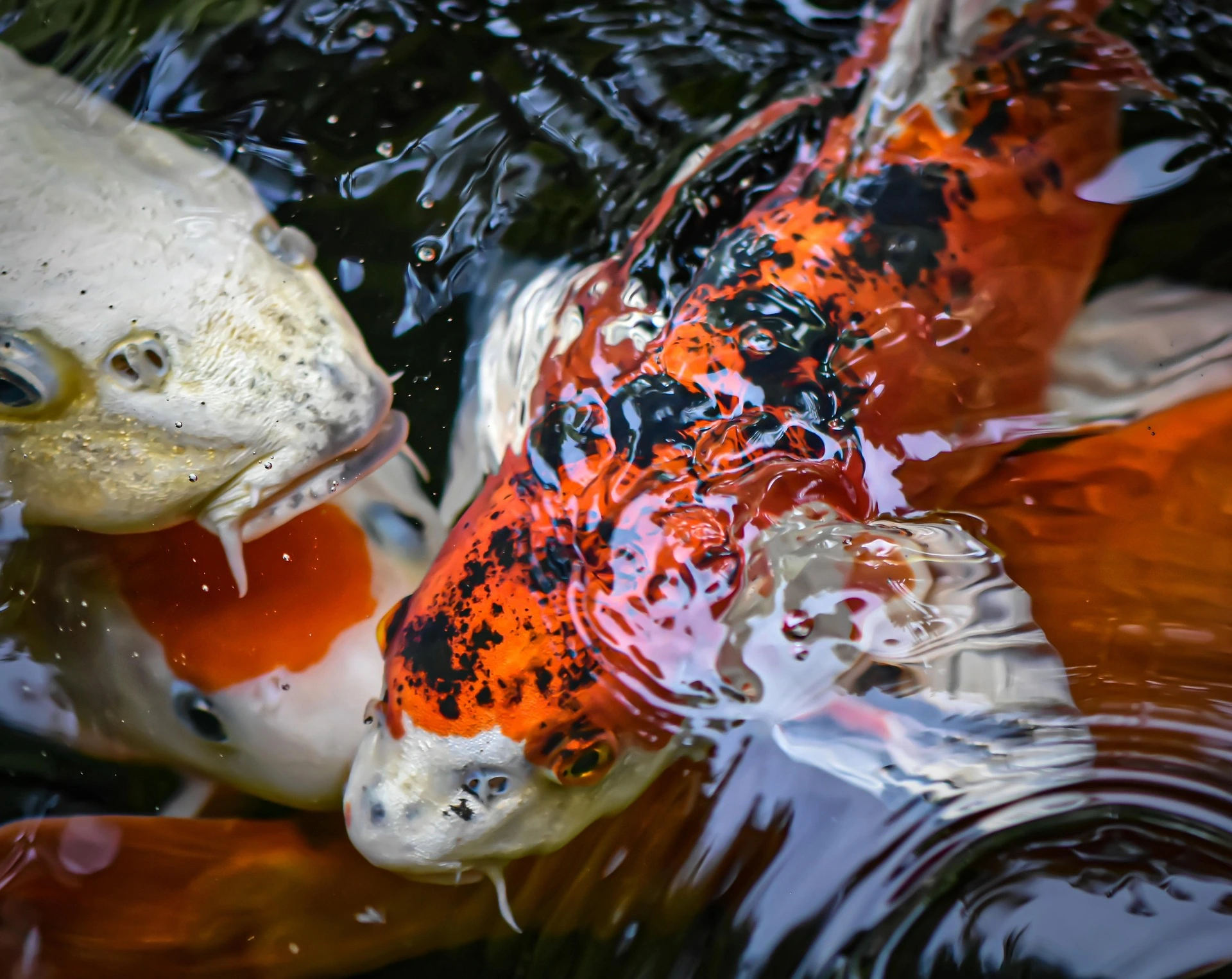
Goldfish and koi are the classics for a reason. They’re hardy, they tolerate a range of temperatures, and they’re forgiving if your water parameters aren’t perfect. I started with goldfish, and they’re still going strong three years later. They’re also food-motivated, which makes them fun to watch—they’ll come to the surface when you feed them.
Koi are similar but bigger and longer-lived (they can live 25+ years). They need more space though. A single koi needs at least 1,000 gallons of water to thrive. Goldfish can do okay in smaller ponds—a 500-gallon pond can handle 4–6 standard goldfish.
Minnows and shiners are smaller, more delicate options. They’re pretty to watch but require cleaner water and more attention to temperature.
Fish to Avoid
Don’t add common feeder fish or cheap goldfish from the dollar store without understanding their needs. Many of these are stressed, already sick, or from a genetic line that doesn’t do well in outdoor ponds. Also, never release aquarium fish into natural waterways—it’s illegal in most places and causes ecological damage.
Temperature Considerations
This matters depending on where you live. If you’re in a climate where your pond freezes solid in winter, you need cold-hardy species. Koi and goldfish can survive winter dormancy under ice (they stay inactive at the bottom). Tropical fish can’t. If you’re in a hot climate, you need fish that tolerate warm water without losing dissolved oxygen.
how-to-train-a-puppy-not-to-bite/ A practical roadmap for new dog owners that explains why puppies nip and details effective, step-by-step methods like bite inhibition and toy redirection to stop unwanted chewing habits.
The Step-by-Step Process for How to Add Fish to an Outdoor Pond
Okay, now for the actual process. This is where acclimation becomes your best friend.
Step 1: Get Your Fish Home (Timing Matters)
Transport your fish in a bucket with a lid or a bag from the store. Don’t leave them sitting in a hot car. Get them home within 30 minutes if possible. The transport container has limited oxygen, and the longer they’re in it, the more stressed they become.
Step 2: Float the Fish (30–45 minutes)
This is the first stage of acclimation. Place the entire bag or transport container directly into your pond and let it float. Don’t open it yet. The water inside will gradually warm or cool to match your pond temperature. This prevents temperature shock.
Step 3: Start Introducing Pond Water (15–30 minutes)
After floating, gently open the transport bag and let a small amount of pond water flow into it. You can do this by making a small opening or using a cup to slowly add pond water. The ratio should be about 1 part pond water to 3 parts transport water initially.
Wait 5 minutes, then repeat. Add more pond water, increasing the ratio each time. You’re slowly shifting the fish from store water to pond water over time.
Step 4: Continue the Gradual Transition (Optional, but Recommended)
Some people do a longer acclimation using a dedicated container. You can place the fish in a net breeder box (a mesh box that floats in the pond) and keep them there for 24–48 hours. This allows them to see the pond, get used to the temperature and light, and adjust to the new water chemistry even more gradually.
I do this with expensive koi. With hardy goldfish, the 30–45 minute float-and-drip method is usually fine.
Step 5: Release the Fish
Once acclimation is complete, gently guide the fish into the pond. Let them swim out at their own pace. Don’t dump them or grab them. Handle them as little as possible because their protective slime coat (which keeps them healthy) can be damaged.
Understanding the Acclimation Window
When you’re learning how to add fish to an outdoor pond, acclimation is the most critical step. Here’s what’s actually happening: your fish’s body is adjusting to different osmotic pressure (salt/mineral balance), temperature, pH, and bacterial environment all at once.
For hardy fish like koi and goldfish, 30–45 minutes is usually enough. For more delicate species or for fish that have been stressed before, 24–48 hours is better. There’s no such thing as over-acclimating a fish.
Signs Your Fish Is Stressed During Acclimation:
- Rapid gill movement (breathing faster than normal)
- Darting or erratic swimming
- Staying at the bottom or hiding
- Loss of color
If you see these, slow down the process. Don’t rush it.
Monitoring Your Fish After Introduction
The first 48 hours after introducing fish are critical. You’re not out of the woods yet.
What to Watch For:
Keep an eye on your fish, but don’t obsess. New fish should start exploring the pond within an hour or two. They might be shy at first, which is normal—they’re in a new environment.
Watch for excessive surface gasping (a sign of low oxygen), injury from sharp pond edges, or aggressive behavior from existing fish. Some fish are territorial and will bully newcomers. If you see serious aggression, you might need to separate them using a net breeder box for a few days.
Don’t Feed Immediately
I know it’s tempting, but don’t feed your fish for the first 24 hours. They’re stressed and their digestive systems are adjusting. After that, feed them lightly for the first week. Once they’re settled, establish a regular feeding routine.
Test Water Again
A week after adding fish, test your water parameters again. You’re looking for any spikes in ammonia or nitrite. If you see any, do a partial water change (25–30% of the pond) and check your filter is working properly.
Common Mistakes to Avoid
Mistake #1: Adding too many fish at once. Your biological filter can only handle so much fish waste at a time. If you add 10 fish to an unprepared pond, the ammonia spikes and kills them. Add fish gradually over weeks or months.
Mistake #2: Skipping the water test. You can’t see with your eyes whether ammonia is zero. You have to test. This is the foundation of everything.
Mistake #3: Using tap water directly in the pond. Tap water has chlorine and sometimes chloramine, which kills the beneficial bacteria you need. If you’re doing water changes, treat the tap water first or let it sit for 24 hours before adding it.
Mistake #4: Assuming all fish can live together. Some fish are aggressive, some eat smaller fish, and some have completely different temperature or pH requirements. Research compatibility before adding new species.
Mistake #5: Not accounting for growth. That cute 2-inch goldfish will be 8 inches in a year. Your pond needs space for that growth. A fish in a tiny, overcrowded pond gets stressed and sick.
Mistake #6: Forgetting about predators. Herons, raccoons, and cats love fish. Make sure your pond has deep areas (at least 3 feet) where fish can hide, and consider netting if you’re in an area with a lot of wildlife.
When to Consult a Professional
If your fish are dying despite your best efforts, or if you’re dealing with a disease outbreak, talk to an aquatic veterinarian or an experienced pond keeper. Some issues (like parasites or bacterial infections) need professional diagnosis and treatment. There’s no shame in getting help—I’ve called experienced pond people before, and they’ve saved me thousands of dollars and a lot of heartache.
Also, if you’re not sure whether your pond is suitable for fish (maybe it’s too small, or the water chemistry is really off), get a professional assessment before adding fish. Sometimes a small tweak to your setup makes all the difference.
FAQ: Your Outdoor Pond Fish Questions Answered
Patience Pays Off
Here’s the thing about adding fish to an outdoor pond: it’s not complicated, but it does require patience. Every step I’ve outlined—the water testing, the floating, the drip acclimation, the waiting—exists for a reason. It’s all designed to minimize stress and give your fish the best chance at a long, healthy life in your pond.
I’ve made every mistake on this list. I’ve rushed the process, added too many fish, skipped water tests, and watched fish die because of it. But I’ve also learned, adapted, and now my pond is thriving. I have goldfish that are healthy and active, water that’s clear, and a system that feels balanced. It took time to get here, but it was worth it.
When you see your fish cruising around your pond, coming to the surface to eat, and just being themselves, you’ll understand why people get hooked on pond keeping. It’s peaceful, it’s rewarding, and once you know how to do it right, it’s not even that much work. Start slow, be intentional, and your fish will thrive.