How to Make Faded Clothes Bright Again Without Bleach
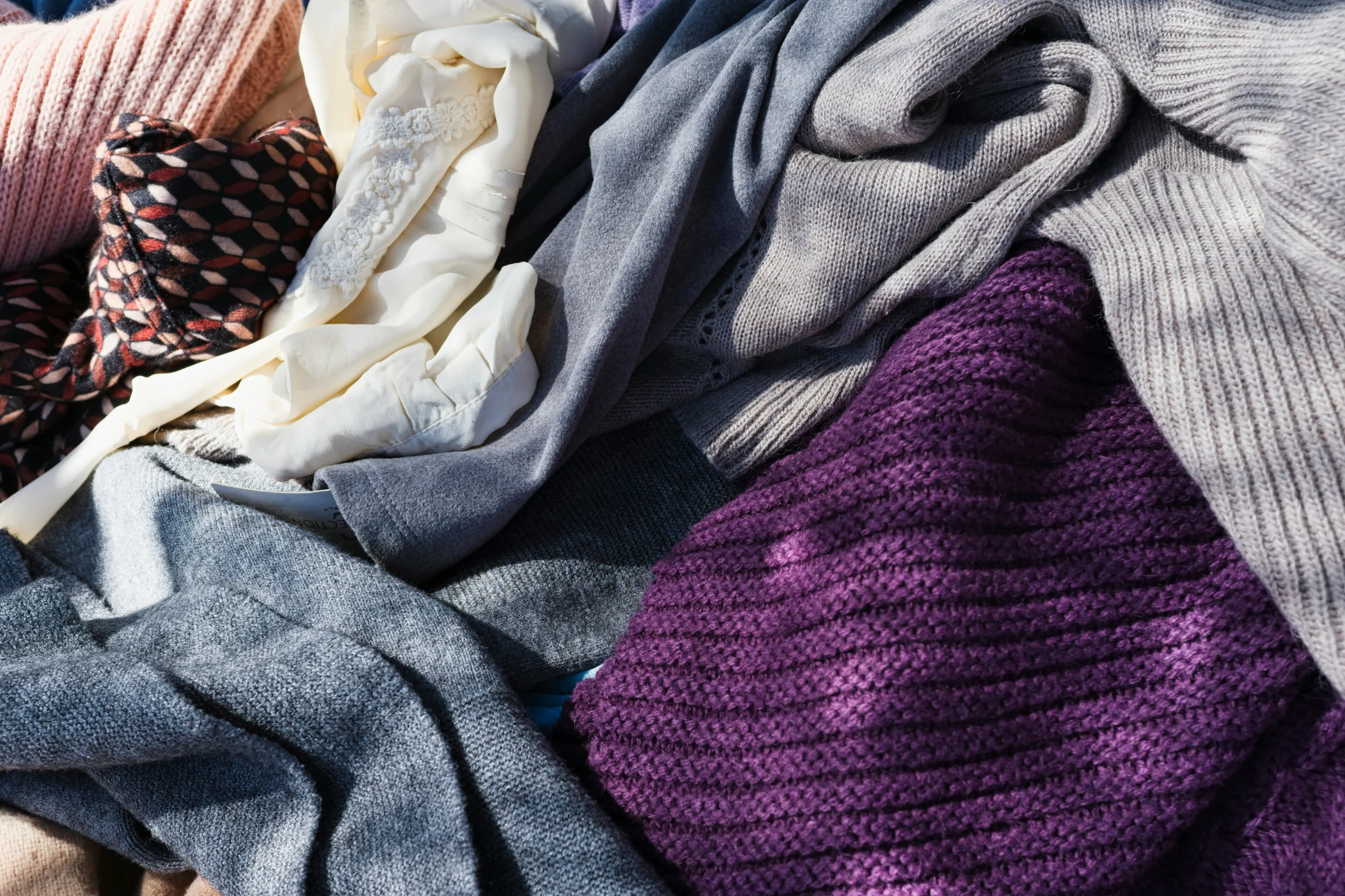
I almost threw away my favorite navy sweater last month. After two years of regular washing, the color had faded to a sad, washed-out blue. It looked tired. I looked tired wearing it.
Then I remembered something my grandmother mentioned years ago—something about vinegar and color. I figured I had nothing to lose. Three hours later? The sweater looked almost new.
Turns out, you don’t need expensive replacements or harsh chemicals to bring color back. Learning how to make faded clothes bright again is easier than you’d think. Most of us just don’t know the methods exist. I’m going to walk you through exactly what actually works, why it works, and the mistakes I made figuring this out so you don’t have to.
Why Clothes Actually Fade in the First Place
Before we fix the problem, let’s understand it. Fading isn’t random wear-and-tear—it’s chemistry.
Dyes sit on fabric fibers. Repeated washing loosens those dyes. Heat speeds it up. Sun exposure accelerates it. Detergent can strip color if it’s too harsh. Eventually, the pigment just… leaves. That’s fading.
The thing is, fading doesn’t mean the dye is gone forever. Much of it’s still there, just loosened or sitting in your washing water. Which means you can actually restore a lot of that lost brightness.
Some fabrics fade faster than others. Dark denim and black cotton fade noticeably. Reds and bright colors fade first. Lighter neutrals show less obvious fading because there’s less color to lose. Synthetics hold color better than natural fibers, though they fade too.
“…while diet and exercise are foundational to your longevity, the air quality and hygiene of your living space play an equally critical role. Cultivating a handful of Everyday Cleaning Tasks for a Healthy Lifestyle* will naturally reduce the pathogen load your body fights every night, helping you sleep better and wake up with clearer sinuses.”
How to Make Faded Clothes Bright Again: The Vinegar Method
I’ll be honest—I tried this because it was free and already in my kitchen.
White vinegar contains acetic acid, which acts as a natural fixative. It helps set dyes back into fabric. It also removes detergent residue that can dull colors. This method works on almost everything except delicates.
Here’s exactly what I do:
- Fill a bucket or bathtub with cool water (about 2 gallons for 3-4 garments)
- Add 1 cup of white vinegar
- Submerge faded clothes completely
- Let them soak for 30–60 minutes (I usually do 45)
- Drain without rinsing immediately—let the fabric stay damp
- Wash normally with cold water and regular detergent
- Dry as you normally would
The first time I did this with my sweater, I was shocked. The blue was noticeably richer. Not brand-new, but genuinely better. The sweater didn’t smell like vinegar despite my worries.
Why this works: Vinegar opens up the fibers slightly, allowing some of the loose dye to resettle. It’s not dramatic, but it’s real. My jeans look darker after this treatment. Reds pop more. It’s not a miracle, but it’s consistent.
Important note: This works best on clothes that are moderately faded, not on items that have been bleached or are extremely discolored.
Read our full guide on the no 1 bedtime drink for deeper sleep to learn how a simple, natural juice can naturally raise your melatonin levels and relax your nervous system before bed.
Oxygen Bleach: The Safer Alternative to Chlorine
Chlorine bleach destroys color. Oxygen bleach? It actually helps restore it.
Oxygen bleach (also called sodium percarbonate) works differently than chlorine. It releases oxygen bubbles that gently lift dirt and grime without stripping pigment the way chlorine does.
I was skeptical about this one because, honestly, bleach seems scary. But oxygen bleach is actually gentler than you’d expect.
Here’s the process:
- Fill a basin with warm water (not hot—around 105°F)
- Add 2–3 tablespoons of oxygen bleach powder
- Stir until dissolved
- Add your faded clothing
- Soak for 2–4 hours (overnight works too, but check after 2 hours for lighter colors)
- Rinse thoroughly with cool water
- Wash normally
I used this on a white linen shirt that had yellowed over time. It came out brighter, genuinely. Not the harsh white-on-white you get from chlorine, but a restored, natural white.
The difference between oxygen bleach and chlorine: oxygen breaks down into water and oxygen when it finishes working. It’s not as harsh. You can use it on most colorfast fabrics safely. Chlorine lingers and continues breaking down color.
Word of caution: Always test on an inconspicuous area first, especially with older fabrics. Oxygen bleach is safer, but not risk-free.
The Salt and Vinegar Combo for Dark Fabrics
This one’s specifically for blacks, navy, dark denim—anything that’s faded but still relatively dark.
Salt acts as a dye fixative. Combined with vinegar, it’s surprisingly effective.
The method:
- Dissolve 1 cup of salt in a bathtub of cool water
- Add 1 cup of white vinegar
- Submerge your dark garments
- Soak for 45–60 minutes
- Drain and wash immediately in cold water with mild detergent
- Air dry (skip the dryer if possible)
I tested this on an old black t-shirt that had faded to charcoal gray. After this treatment, it was noticeably darker. Not perfect, but genuinely improved.
Why does it work? Salt pulls some of the loose dye back into the fibers. Vinegar sets it. Together, they’re effective for dark colors specifically.
The Coffee or Tea Soak for Blacks and Browns
If your black or brown clothes are faded, this might sound weird, but it works.
Strong brewed coffee or black tea adds tannins—natural compounds that deepen dark colors. I know this sounds like folk wisdom, and it kind of is, but it’s backed by real chemistry.
Here’s what to do:
- Brew 4–5 bags of black tea or 1 cup of instant coffee with 2 gallons of hot water
- Let it cool completely
- Submerge faded black or brown clothing
- Soak for 1–2 hours
- Rinse well with cool water
- Wash normally
Full transparency: this won’t make a faded brown item bright. It will deepen it. I used this on a faded chocolate brown jacket and it looked richer, warmer. It was a subtle shift, not a transformation, but definitely noticeable.
The smell fades almost completely after washing.
Color-Depositing Conditioners: The Lazy Person’s Method
There’s actually a category of hair conditioner designed to deposit color into gray hair. These work on clothes too, oddly enough.
Color-depositing conditioners contain pigment plus conditioners. They temporarily coat fibers, making colors appear brighter and more saturated.
The process:
- Fill a sink or bucket with cool water
- Add 2–3 tablespoons of color-depositing conditioner (match the color—use purple for grays, blue for blacks, etc.)
- Submerge clothing for 10–15 minutes
- Rinse gently with cool water until the rinse water runs clear
- Lay flat to dry
This is temporary—the effect lasts several washes. But if you’re heading out and need your faded black shirt to look good, this works immediately.
I used this on a faded burgundy dress for a dinner out. It looked noticeably richer. The effect faded after about three washes, but for an event, it was perfect.
Real talk: This isn’t a permanent solution. But it’s useful for when you need quick color restoration without deep laundering.
Step-by-Step: The Complete Color Restoration Process
Here’s my go-to sequence when clothes look seriously faded:
Step 1: Assessment Look at the garment. Is it moderately faded or severely faded? Is it delicate or sturdy? Cotton holds color well and can handle more aggressive methods. Synthetics need gentler approaches. Silk? Stick with vinegar.
Step 2: Test Spot Use your chosen method on a hidden seam or inside hem first. Wait 24 hours. Check for any color bleeding or damage.
Step 3: Pre-treatment If there’s visible dirt or grime, pre-wash in cool water with gentle detergent.
Step 4: Main Treatment Pick your method based on your fabric type and fade severity:
- Light to moderate fading on any color: vinegar soak
- Dark clothes, moderate fading: salt and vinegar
- Black or brown, moderate fading: coffee/tea soak
- Yellowed whites: oxygen bleach
- Need quick results: color-depositing conditioner
Step 5: Wash Always use cold water after treatment. Heat can set fading. Use regular-strength or mild detergent.
Step 6: Dry Air dry when possible. Dryer heat can contribute to fading over time.
Method Comparison Table
| Method | Best For | Time Required | Cost | Gentleness | Results |
|---|---|---|---|---|---|
| Vinegar | All colors, all fabrics | 1 hour total | $1 | Very gentle | Moderate improvement |
| Oxygen bleach | Whites, light colors | 2–4 hours | $5–8 | Moderate | Good improvement |
| Salt + vinegar | Dark fabrics | 1 hour | $2 | Very gentle | Good for darks |
| Coffee/tea | Blacks, browns | 2 hours | $3–4 | Very gentle | Subtle deepening |
| Color-depositing conditioner | Quick fixes, any color | 15 minutes | $8–12 | Very gentle | Temporary, immediate |
Common Mistakes People Make (I Made Them All)
Using hot water. Hot water opens the cuticle of the fabric, which actually speeds fading. I used hot vinegar water the first time. The fabric came out less bright, not more. Always use cool or cold water. This is non-negotiable.
Not rinsing thoroughly enough. If vinegar residue stays on fabric, it can leave a slight smell and actually dull colors. I learned this the hard way. Rinse at least twice after any soak treatment. Thorough rinsing is important.
Treating severely bleached clothing. If a garment has chlorine bleach damage, no amount of vinegar or oxygen bleach will fix it. Bleach chemically destroys the dye molecule. You can’t restore what’s been destroyed. I wasted time on a shirt that had already been ruined. Know when to let go.
Mixing treatments. I tried combining vinegar and oxygen bleach because I thought more methods = better results. You can actually neutralize the benefits. Pick one method and stick with it.
Skipping the color test. I applied the vinegar method to a vintage dress without testing first. The fabric held up fine, but I got lucky. Always test on a hidden area. Always.
Using the dryer immediately. Heat sets fading. I washed a sweater with the vinegar method, tossed it in the dryer, and the fading actually returned. Now I air dry everything after a color treatment for at least 24 hours.
How to Prevent Fading So You’re Not Treating Clothes Constantly
Real talk: prevention is easier than restoration.
Wash in cold water. This is the single biggest factor. I switched all my regular loads to cold water, and fading noticeably slowed. Cold water is gentler and uses less energy.
Don’t overdose detergent. Too much detergent leaves residue that dulls colors. I was using way too much for years. The right amount is usually less than the bottle suggests. Start with half of what you think you need.
Sort by color. Wash darks separately from lights. New items separately from old. Bleeding dye from new items can transfer to faded items.
Dry in shade, not sun. Direct sunlight absolutely destroys color. I moved my drying rack away from the window. Huge difference in color retention.
Don’t dry-clean everything. Dry cleaning chemicals can fade certain dyes over time. Save it for items that really need it, not routine washing.
Hang-dry when possible. Dryer heat accelerates fading. I hang-dry anything I want to keep looking good longer.
When to Just Get Professional Help
Sometimes, your faded clothes need a professional touch.
If an item is extremely faded, expensive, delicate, or has sentimental value, consider professional dry cleaning with color restoration services. They have access to stronger color-fixing treatments and equipment.
I took a faded silk blouse to a professional cleaner. It cost $15 for a color-restoration treatment. The blouse looked genuinely renewed. For expensive or precious pieces, it’s worth it.
Professional cleaners can also handle fabrics and stains that home methods can’t safely manage.
Frequently Asked Questions
The Real Truth About Faded Clothes
Here’s what I wish someone had told me: most faded clothes are salvageable. Not always to their original brightness, but genuinely improved. You don’t need to throw things away because they’ve faded. That’s waste you can actually prevent.
The methods in this article work best on clothes that are moderately faded—things that look dull but still have color. Severely faded or bleached items? You might not see dramatic changes. But even small improvements matter.
What matters more is consistency. Treating a faded sweater works once. Preventing your clothes from fading in the first place through cold water washing and proper storage? That prevents years of gradual color loss.
The first time I revived that navy sweater, I saved maybe $40 on a replacement. But the real win was realizing I didn’t have to accept faded clothes as inevitable. I had options.
Your Next Steps: Making It Actually Happen
Pick one item that’s faded. Something you still like but haven’t worn much because the color looked sad.
Try the vinegar method this week. It’s low-stakes—vinegar is cheap, the process takes an hour, and the worst case is nothing changes.
Pay attention to the results. Notice the difference. That feedback matters because it tells you what works on your specific fabrics and which method you’ll actually remember to use next time.
Then, one small change to prevent future fading: switch to cold water washing for your next load. Or move the drying rack out of direct sun. Or cut your detergent amount in half.
Small actions compound. Do this consistently, and you’ll notice your clothes staying vibrant longer. You’ll be washing them in a year and thinking, “Wow, these still look great.”
That’s the real goal here. Not just fixing what’s faded, but keeping your favorites looking good for years instead of months.
Final Thoughts: Giving Your Clothes a Second Life
I think we’re trained to see faded clothes as disposable. They look tired, so we replace them. But fading is just a surface issue. The fabric’s still good. The garment still works. It just needs a little attention.
Spending an hour reviving a faded sweater beats spending $40 or $60 on a new one. It beats the environmental cost of throwing things away and buying replacements. It beats the mental burden of clutter and waste.
Your favorite black jeans, that navy blazer, the t-shirt that’s just right—they don’t deserve to sit in the back of your closet looking dull. Now you know how to actually fix that.
The method that will work best for you? That depends on your fabric, your patience, and your fading severity. But at least one of these will work. Try them. See what sticks. Then keep your clothes looking fresh and vibrant longer.
It’s one of those small wins that feels surprisingly satisfying when you pull on a shirt you thought was done and realize it looks good again.