An Anti-Inflammatory Diet: What It Actually Means (And Why I Changed My Approach)
Three years ago, I woke up with painful joints. Not the dramatic kind that put you in the ER—just the persistent, annoying kind that made stairs feel like an ordeal. My doctor mentioned inflammation. Then my sister mentioned diet. Then I fell down the rabbit hole of wellness blogs, half of them contradicting each other.
What I learned changed how I eat, and honestly, how I feel daily. An anti-inflammatory diet isn’t about restriction or suffering. It’s about choosing foods that your body actually thanks you for. Let me walk you through what actually works, what doesn’t, and the honest mistakes I made along the way.
“…if you’re looking for an easy morning routine that supports your wellness goals, check out The Health Benefits of Oats
. This guide breaks down how this humble whole grain fights afternoon energy crashes and supports long-term heart health.”
What Is an Anti-Inflammatory Diet, Really?
Here’s the thing nobody explains well: inflammation isn’t always bad. Your body needs it to fight infections and heal wounds. The problem is chronic inflammation—the low-grade, ongoing kind that doesn’t shut off.
Certain foods make inflammation worse. Others calm it down. An anti-inflammatory diet focuses on the second group.
When I started, I thought it meant eating sad salads and grilled chicken. I was wrong. It’s actually about eating better versions of things you probably already like. Real bread instead of white bread. Fatty fish instead of fried chicken. Blueberries instead of candy.
The science here is solid. Foods high in omega-3 fatty acids, fiber, and antioxidants literally reduce markers of inflammation in your blood. Studies show people who follow these patterns report less joint pain, better sleep, fewer headaches, and more stable energy throughout the day.
“…if you often find yourself crashing an hour or two after lunch, your meals might be lacking structural staying power. Try adding a quick scoop or handful of these 19 High-Protein Add-Ons* to stay full longer without having to cook a whole extra dish.”*
The Foods That Actually Work in an Anti-Inflammatory Diet
Fatty Fish (The Star Player)
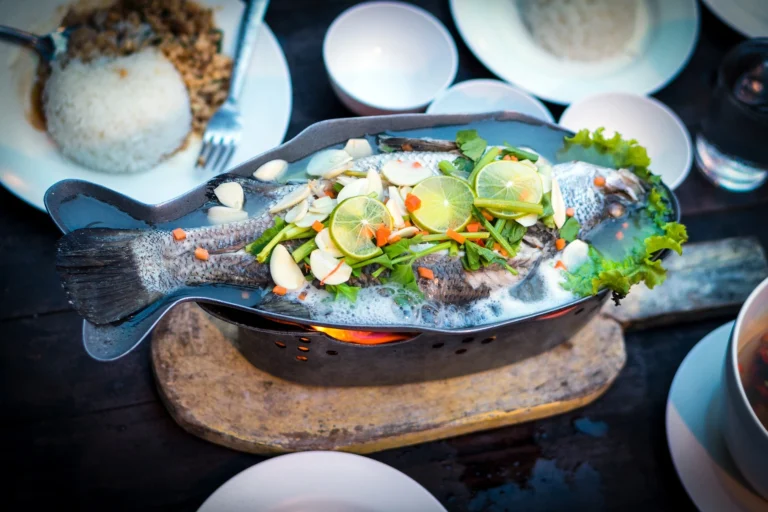
Salmon, mackerel, sardines, and trout are packed with omega-3s. These fats actively reduce inflammatory compounds in your body.
I eat grilled salmon twice a week. Simple: lemon, salt, pepper, 12 minutes at 400°F. Done. A portion is about the size of your palm.
Canned sardines are underrated. I know—they sound gross. But toss them with olive oil and lemon over whole grain toast? Genuinely delicious. Half a tin has more omega-3s than most supplements.
Colorful Vegetables (The Foundation)
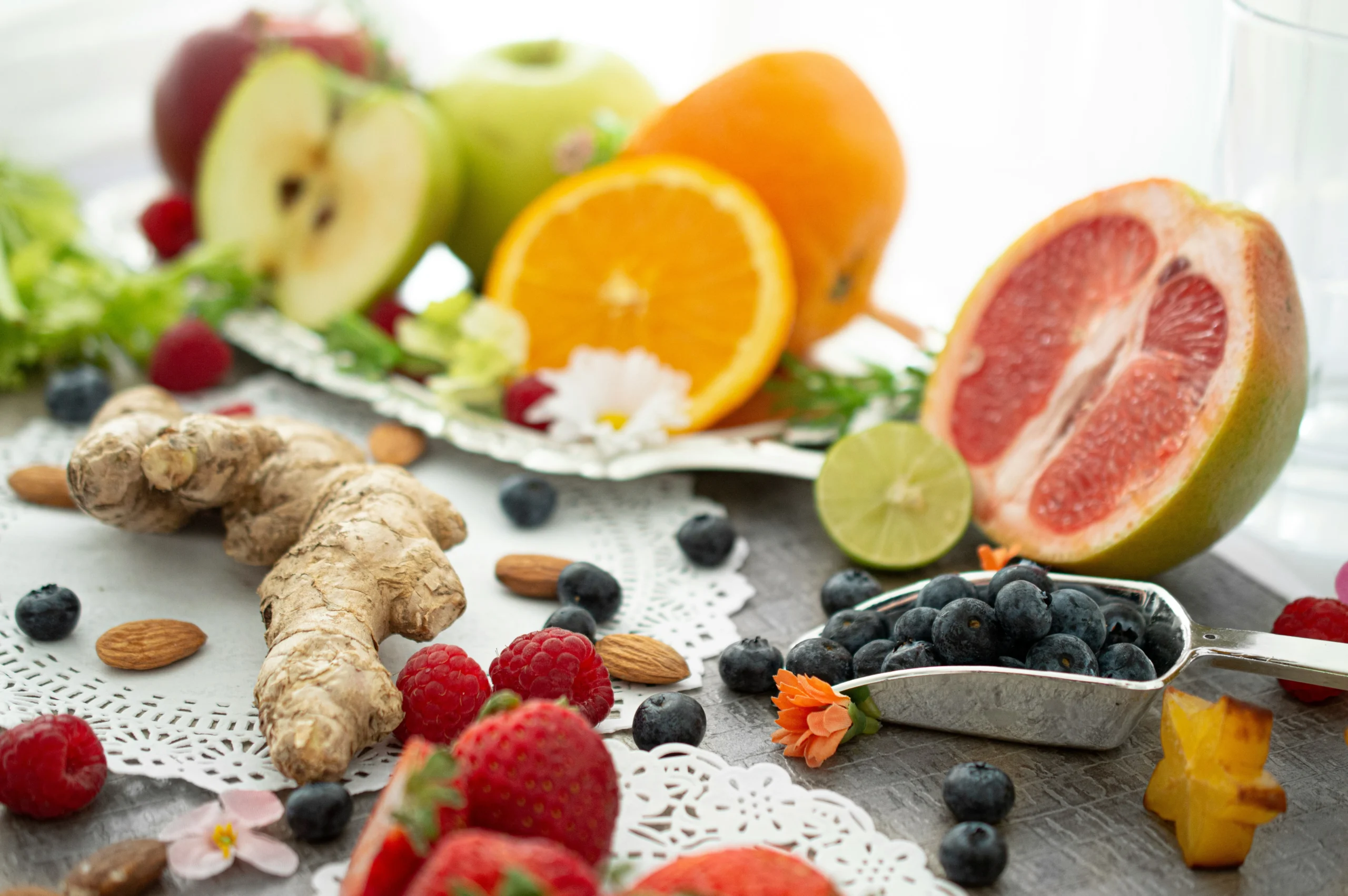
Leafy greens like spinach, kale, and arugula contain vitamin K and antioxidants. Berries—blueberries especially—have anthocyanins that quiet inflammation. Bell peppers, broccoli, Brussels sprouts, carrots.
The rule I follow: eat the rainbow. Not as a cutesy saying, but literally. Different colors contain different anti-inflammatory compounds. Red tomatoes have lycopene. Orange sweet potatoes have beta-carotene. Dark greens have lutein.
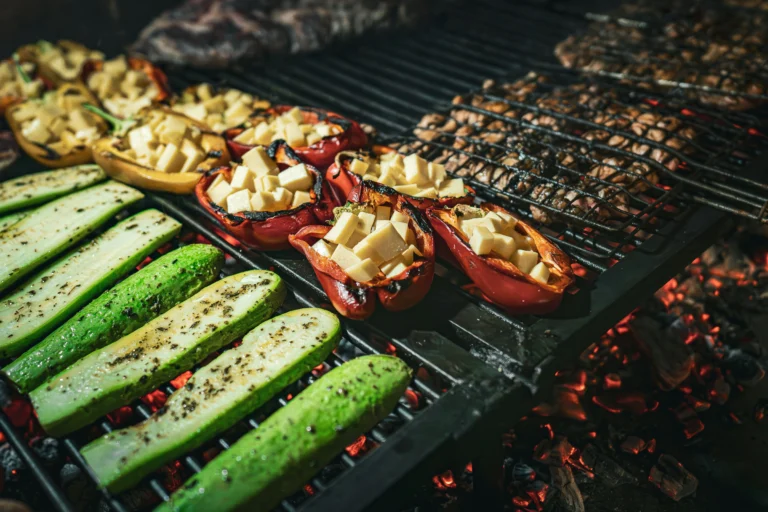
I roast a sheet pan of mixed vegetables every Sunday. Takes 35 minutes. Breakfast, lunch, dinner all week—tossed into different meals so it never feels repetitive.
Whole Grains (Not What You Think)
This confused me at first because I thought “whole grain” just meant brown bread. It’s bigger than that.
Oats, farro, quinoa, brown rice, whole wheat—these have fiber that feeds good gut bacteria, which then produce compounds that reduce inflammation. White bread and regular pasta? Your gut treats them like sugar. They spike inflammation.
The swap isn’t painful. I make overnight oats with rolled oats, almond milk, berries, and chia seeds. Grab it from the fridge in the morning. Done.
…while liquid feeds give a quick boost, container soil loses nutrients rapidly through leaching. To establish a steady nutrient supply without burning tender roots, try mixing your own DIY Slow Release Organic Fertilizer* using simple kitchen scraps and basic mineral stabilizers.
Nuts and Seeds (The Snack Solution)
Almonds, walnuts, flaxseeds, chia seeds. These have omega-3s and polyphenols. A small handful of nuts or a tablespoon of seeds fits into any meal.
I add walnuts to my salads. Sprinkle chia seeds on yogurt. Toast sunflower seeds for snacking. It’s not revolutionary, but it adds texture and keeps me full longer than processed snacks.
Olive Oil (The Underrated Workhorse)
Extra virgin olive oil contains oleocanthal—a compound that works like a natural anti-inflammatory. I use it as my default cooking oil for lower-heat applications and always drizzle it over finished dishes.
Don’t waste fancy olive oil by cooking it at high heat. Save it for salads and finishing plates. Use regular olive oil for sautéing.
Herbs and Spices (The Flavor Hack)
Turmeric, ginger, garlic, cinnamon, oregano. These aren’t just for taste. They’re anti-inflammatory powerhouses.
Turmeric’s active compound, curcumin, is legitimately researched for reducing joint pain. I stir it into soups, rice dishes, and scrambled eggs. Ginger goes into tea, stir-fries, and smoothies. Garlic goes in… everything.
The Foods That Make Inflammation Worse
This part matters as much as knowing what to eat.
Ultra-Processed Foods
Packaged snacks, fast food, many frozen meals—they’re loaded with seed oils, added sugars, and trans fats. These actively promote inflammation.
I’m not saying you can never have them. I’m saying if you eat them daily, you’re fighting an uphill battle against an anti-inflammatory diet.
Added Sugars and Refined Carbs
Soda, most cereals, white bread, pastries, candy. Sugar triggers inflammatory responses in your body. It’s not about willpower—it’s about how your immune system actually reacts to these foods.
Cut back gradually. I went cold turkey and felt miserable for a week. Then fine. A friend did it slowly over three months. We both got to the same place; her way was easier.
Most Vegetable Oils
Canola, soybean, corn oil—high in omega-6 fats. Your body needs some omega-6, but the ratio matters. Modern diets have way too much omega-6 compared to omega-3. This imbalance increases inflammation.
Swap them for olive oil, avocado oil, or coconut oil.
Processed Meats
Bacon, deli meats, sausages, hot dogs. The processing, added nitrates, and high salt content all contribute to inflammation.
Fresh chicken, beef, or pork occasionally? Fine. But processed meats should be rare, not regular.
Starting an Anti-Inflammatory Diet: A Practical 7-Day Framework
You don’t need perfection. You need consistency and direction.
| Day | Breakfast | Lunch | Dinner |
|---|---|---|---|
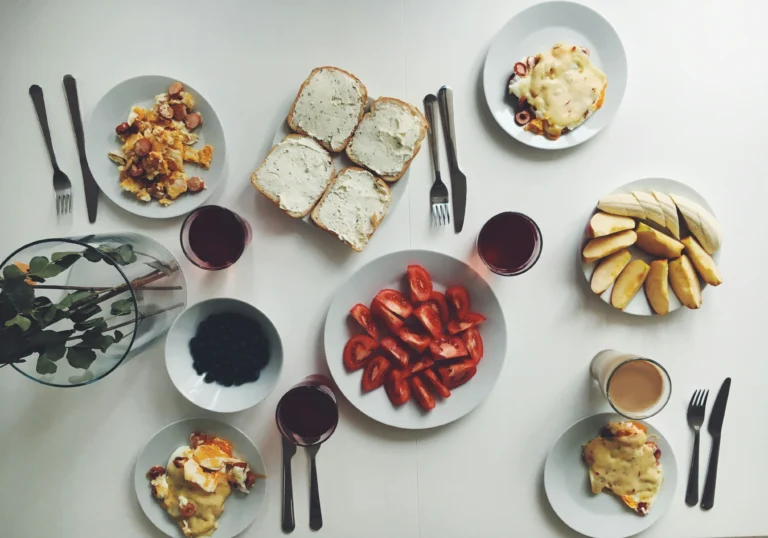
| Mon | Oatmeal with berries & walnuts | Spinach salad with grilled chicken & olive oil dressing | Baked salmon with roasted broccoli |
| Tue | Eggs scrambled with tomatoes & garlic | Lentil soup with whole grain bread | Turkey meatballs with zucchini noodles & tomato sauce |
| Wed | Greek yogurt with ground flaxseed & blueberries | Tuna salad (canned tuna, celery, olive oil mayo) | Stir-fried vegetables with tofu over brown rice |
| Thu | Whole wheat toast with avocado & tomato | Quinoa bowl with roasted peppers & chickpeas | Baked chicken breast with sweet potato & green beans |
| Fri | Smoothie: spinach, banana, almond milk, chia seeds | Leftover turkey meatballs with side salad | Grilled mackerel with asparagus & wild rice |
| Sat | Scrambled eggs with herbs & mushrooms | Chickpea & vegetable curry over brown rice | Beef stir-fry with mixed vegetables |
| Sun | Chia pudding with coconut milk & berries | Vegetable & bean chili | Grilled trout with roasted Brussels sprouts |
The point isn’t memorizing this. It’s seeing that anti-inflammatory eating involves real, delicious foods—not deprivation.
Common Mistakes People Make (I Made Most of Them)
Going too extreme, too fast. I eliminated everything “bad” simultaneously. Three days in, I was cranky and obsessing about pizza. I switched to the 80/20 approach—eat well most days, enjoy what you want sometimes. It stuck.
Replacing processed snacks with “healthy” versions. Many store-bought health bars have as much sugar as candy. Make your own trail mix. Eat an apple with almond butter. It’s simpler than shopping for specialty items.
Cooking too much in advance. I meal-prepped five days of the same meal. Day three, I couldn’t look at it. Now I prep components—grilled chicken, roasted vegetables, grains—and mix them differently each day.
Assuming supplements replace food. They don’t. An anti-inflammatory diet is about actual food. Supplements support it, not replace it. I tried curcumin pills before changing my diet. They did almost nothing. Combined with real dietary changes? Noticeable difference.
Not accounting for personal triggers. Inflammation is individual. Some people are sensitive to nightshades (tomatoes, peppers, eggplant). Some do worse with grains. Pay attention to how you feel. Keep a simple food journal for two weeks if you’re not seeing improvements.
How Long Does It Actually Take to Feel Different?
This matters because you need realistic expectations.
Minor changes—better energy, slightly better sleep—can show up in 1–2 weeks.
Noticeable reductions in joint pain or digestive issues? Usually 4–6 weeks. Your gut bacteria population changes, inflammatory markers drop in your blood, your body adapts.
Major changes take 8–12 weeks. This is when people usually say, “Oh, I get it now.”
I felt it around week five. Stairs stopped hurting. That was my win.
Building an Anti-Inflammatory Pantry
You don’t need much.
Oils & Condiments: Extra virgin olive oil, avocado oil, balsamic vinegar, lemon juice, tahini
Grains & Legumes: Rolled oats, brown rice, farro, quinoa, canned lentils, canned beans (low-sodium)
Proteins: Eggs, Greek yogurt, frozen salmon fillets, canned sardines, chicken breast
Spices & Herbs: Turmeric, ginger powder, garlic powder, oregano, cinnamon, black pepper
Pantry Staples: Raw nuts (almonds, walnuts), seeds (chia, flax, sunflower), raw cacao powder, coconut milk
Freezer: Frozen berries, frozen mixed vegetables, frozen leafy greens
Start there. Add fresh produce as needed. That’s literally it.
When You Should Talk to a Doctor
An anti-inflammatory diet helps many people manage chronic pain, digestive issues, and general wellness. But it’s not a replacement for medical care.
See your doctor if you have diagnosed inflammatory conditions (rheumatoid arthritis, Crohn’s disease, lupus, etc.). These need medical management alongside dietary changes. Some medications interact with high amounts of certain foods—your doctor needs to know your plan.
If you take blood thinners, check before dramatically increasing leafy greens (high in vitamin K). If you have kidney issues, you might need to limit certain foods. None of this is complicated, but it’s worth confirming.
Frequently Asked Questions
Building Your Own Anti-Inflammatory Rhythm
Here’s what I know after three years: this works. Not magically. Not overnight. But consistently choosing foods that reduce inflammation versus promote it changes how you feel.
Start with one meal a day. Make breakfast anti-inflammatory. Keep lunch and dinner normal. After two weeks, add lunch. Then dinner. Before you know it, it’s your default, not your “diet.”
Don’t aim for perfection. Aim for better. Better than yesterday. Better than last month. That’s the real anti-inflammatory diet—not a rigid system, but a commitment to feeding yourself in ways that make you feel good.
The best diet is the one you’ll actually stick to. If you hate every meal, you’ll quit. So eat things you genuinely enjoy, just the anti-inflammatory versions. Life’s too short for food you resent.
Let me know how it goes for you. Seriously. Three years in, I’m still discovering new recipes and combinations. The nice part about this approach is it never gets boring—it just gets more natural.
Final Thoughts: The Long-Term Shift
When people ask me what made the difference with an anti-inflammatory diet, I don’t talk about the specific foods. I talk about the mindset shift.
Instead of “Can I eat this?” it became “Will this make me feel better or worse?” That one reframe changed everything. Suddenly it wasn’t deprivation. It was choice.
You’re not following someone else’s rules. You’re taking care of yourself in the most direct way possible—through what you actually eat, every single day. And that? That’s worth the small effort to get it right.