What to Do If a Skunk Sprays Your Pet (Fast Recovery Guide)
It happened on a Tuesday evening when I wasn’t paying close attention. My golden retriever, Beau, had bolted out the back door while I was bringing in groceries, and before I could call him back, there it was—that unmistakable, god-awful stench rolling across the backyard. A skunk had sprayed him directly, and I was standing there in the driveway holding a bag of apples and absolutely no idea what to do next. That night taught me more about skunk spray than I ever wanted to know, which is why I’m sharing everything I’ve learned about what to do if a skunk sprays your pet.
Why Skunks Spray and How Bad It Really Is
Before you panic—which you will, because that smell hits different—let me explain why skunks even do this. They’re not trying to be jerks. Skunks spray as a last resort when they feel cornered or threatened. They actually give warnings first: they’ll stomp their feet, raise their tail, and hiss. Most skunks don’t want to waste their spray because they only have a limited supply and it takes weeks to regenerate. So if your pet got sprayed, your pet probably ignored or didn’t see those warning signs.
The spray itself is an oily liquid that sticks to fur and skin. It contains thiols—sulfur compounds that create that rotten egg, burnt rubber, onion-like smell that’s impossible to ignore. This isn’t just unpleasant; it’s actually designed to linger. That stench coats everything it touches and can cling to fur for weeks if you don’t treat it properly. Your whole house will smell if you don’t act fast.
Here’s the part that scared me most: the oil can irritate your pet’s eyes, nose, and mouth. That’s not just discomfort—that’s something that needs attention.
Best Pet Food in Summer: A seasonal pet care guide outlining the best high-moisture foods, cooling ingredients, and dietary adjustments to keep dogs and cats hydrated and healthy during hot weather.
What to Do If a Skunk Sprays Your Pet: First 30 Minutes
The moment you realize your pet got sprayed, time matters. Don’t panic, but do move quickly.
First thing: keep your pet outside. I know it’s tempting to rush them inside for comfort, but that oily spray will coat your furniture, rugs, and every surface your pet touches. Take a breath. Your house will survive. Your pet’s lungs won’t benefit from having their face rubbed all over your couch.
Check their face and eyes carefully. This is the priority. If your pet got sprayed in the face, their eyes might be watering heavily or they might be squinting. Flush their eyes gently with cool water or saline solution for a few minutes. You’re not trying to clean out the spray entirely—you’re just rinsing irritation. If they’re showing signs of serious eye pain (lots of squinting, redness, discharge beyond tears), this is a vet situation. Call ahead and let them know what happened so they can prepare.
Don’t bathe them yet. This is where people mess up immediately. Hot water opens the pores and makes the oils penetrate deeper into the fur and skin. Cold water won’t help either. You need the specific treatment I’m about to walk you through.
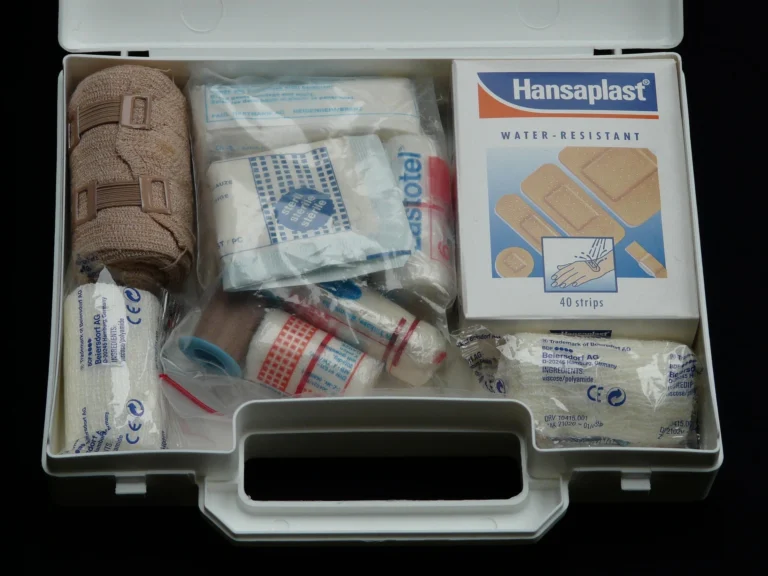
Get supplies ready while they’re outside. You’ll need:
- Hydrogen peroxide (3% is standard—the kind from a pharmacy)
- Baking soda
- Dish soap (unscented or lightly scented, nothing strong)
- Water
- An old towel
- Gloves
- Maybe a cup and sponge
Yes, the internet has been telling you about this mixture for years. It actually works, and I mean actually works, not just “masks the smell for a while.”
How to Train a Puppy Not to Bite: A practical canine training guide outlining gentle, positive-reinforcement techniques and bite inhibition methods to stop destructive nipping and redirect puppy teething behavior safely.
The De-Skunking Solution That Actually Works
That old remedy you’ve heard about—hydrogen peroxide, baking soda, and dish soap—it’s legit. The chemistry is real. When hydrogen peroxide mixes with baking soda, it creates an oxidizing reaction that breaks down the sulfur compounds in skunk spray. This isn’t masking the smell. This is actually destroying it.
I was skeptical the first time. I thought I’d end up with a dog that still reeked but was also clean, which isn’t really winning. But when I rinsed that mixture off Beau, the smell was gone. Not fading. Not improved. Genuinely gone. It was the weirdest and most satisfying moment.
Here’s the exact recipe that worked for us:
De-Skunking Mixture:
- 1 quart of 3% hydrogen peroxide
- ¼ cup baking soda
- 1 teaspoon of dish soap
- Additional water as needed
Mix these together in a bucket. The mixture will foam a little—that’s fine, that’s the reaction happening. You want it thick enough to coat your pet’s fur but thin enough to work through.
Do not use this on the face or ears. I’m serious about this. Hydrogen peroxide in the eyes and ears is bad news. You’ll do the face separately with just water or saline.
How to Clean Cat Pee Smell Out of Carpet Completely: A definitive pet care guide detailing why traditional cleaners fail against stubborn uric acid crystals, providing a precise step-by-step enzymatic saturation method to eliminate deep odors permanently.
Step-by-Step Skunk Odor Removal Process
This is the method that actually gets the job done. I’m breaking it down so you don’t have to guess.
Step 1: Protect sensitive areas. Have someone hold your pet (or do it yourself if you’re solo) and wet down their face, ears, and mouth area with cool water only. Use a washcloth and just gently dampen it. Your goal is to prepare these areas without getting anything harsh in there.
Step 2: Apply the mixture to the body. Starting at the neck and working backward toward the tail, work the de-skunking mixture into your pet’s fur. Really work it in—use your gloved hands to massage it through the coat, getting down to the skin. This isn’t a quick rinse situation. Spend a solid 5-10 minutes making sure every sprayed area is covered. Pay special attention to the legs, belly, and backside, since that’s where skunks usually aim.
Step 3: Let it sit. This is hard because your pet will look ridiculous and smell terrible, but let the mixture sit on their fur for 5-10 minutes. This is when the chemical reaction is really working. Don’t rush this step.
Step 4: Rinse thoroughly. Use cool water and rinse completely. Get every bit of that mixture out. Any leftover baking soda will dry the skin and make your pet itchy, so take your time here.
Step 5: Do a final soap rinse. Once the de-skunking mixture is gone, use a regular pet shampoo or gentle dish soap one more time to remove any remaining oil. This is when warm water is actually helpful because you want to strip away the residual oils.
Step 6: Dry completely. Use towels first, then if you have a pet dryer or regular hair dryer on cool settings, use that. Wet fur traps smells, so getting your pet dry is important.
The whole process should take about 30-45 minutes from start to finish. It’s not fun, but it’s incredibly effective.
When Your Pet Needs to See a Vet
Most skunk spray situations don’t require a vet visit. But some do, and you need to know the difference.
See a vet if:
- Your pet was sprayed directly in the face and their eyes are showing serious irritation (swelling, discharge, they won’t open them)
- They’re having trouble breathing or wheezing
- They’re drooling excessively or having trouble swallowing
- They’re vomiting or showing signs of nausea
- They have puncture wounds from the skunk (yes, they sometimes fight back)
- The spray got in their nose and they’re showing nasal discharge that doesn’t clear after a few hours
I’ve never had to take Beau to the vet for a skunk spray incident, but I’ve talked to people who have because their dog ingested some of the spray or got it in their lungs. It’s rare, but it happens.
If you’re in doubt, call your vet. They’ve seen this before. They won’t judge you. They’ll probably have a story of their own about a pet and a skunk.
Quick Checklist: Handling a Skunk Spray Incident
- Keep your pet outside immediately after spraying
- Check and rinse eyes with water if necessary
- Gather supplies (hydrogen peroxide, baking soda, dish soap)
- Mix the de-skunking solution
- Protect face and ears with water only
- Apply mixture to body, work it in thoroughly
- Let it sit for 5-10 minutes
- Rinse completely with cool water
- Do a final soap rinse with warm water
- Dry thoroughly with towels and/or a dryer
- Monitor for any signs that require a vet visit
Natural vs. Chemical Treatments
People ask me about alternatives all the time. Can you use vinegar? Tomato juice? Expensive pet products?
Vinegar: Doesn’t work. It masks the smell temporarily, but the spray oils remain, and the smell comes back. Plus, vinegar is acidic and can irritate skin and eyes.
Tomato juice: Same problem. It’s a myth that’s been passed around forever. It doesn’t actually break down the spray compounds.
Commercial pet de-skunk products: These usually contain similar ingredients to the hydrogen peroxide mixture, just at a higher price point. If you want to buy a pre-mixed solution instead of making your own, that’s fine—it’s the chemistry that matters, not the source. But I’ve found the homemade version works just as well at a fraction of the cost.
Lemon juice or other citrus: Another temporary mask. Won’t solve the problem long-term.
Enzymatic cleaners: These can help after you’ve done the main de-skunking treatment, and they’re great for cleaning your yard or any areas your pet has touched since the spray happened. But they’re not a primary treatment.
The hydrogen peroxide, baking soda, and dish soap combination is still the gold standard for a reason. It’s been tested and verified by veterinarians and chemists. Don’t reinvent the wheel here.
Preventing Future Skunk Encounters
Now that you know what a nightmare this is, let’s talk prevention. Because once it happens, you’re going to do everything you can to make sure it never happens again.
Keep your pet’s outdoor time supervised, especially at dawn and dusk when skunks are most active. That’s when they’re out hunting for food, and that’s when encounters happen.
Don’t leave pet food outside. Skunks love easy meals. If your pet eats outside, pick up the bowl immediately after they’re done.
Secure your garbage cans. Skunks will tear into trash looking for food scraps. Use can locks or store garbage in a garage or shed until pickup day.
Close gaps around your shed or deck. Skunks will den under structures if they can fit underneath. Seal gaps with hardware cloth or wooden boards.
Keep your yard clear of brush and woodpiles. Skunks like sheltered spots where they can hide. Removing dense brush removes their safe zones.
Trim low tree branches and dense shrubs. You want sight lines so you can see if a skunk is in your yard before your pet gets too close.
Consider a fence. Not just to keep your pet in, but to keep wildlife out. A sturdy fence makes it harder for skunks to wander into your space, though they can still dig under if they really want to.
Be cautious at night. Use a flashlight when letting your dog out after dark. Sweep the beam around to check for any animals before your pet goes out. I know it sounds paranoid, but one incident is enough to make you paranoid, and I’m okay with that.
Common Mistakes to Avoid
Here’s what I learned the hard way, plus what other pet owners have told me they’ve done wrong:
Using hot water immediately. Hot water opens pores and makes the oils soak deeper. Counterintuitive, but true.
Trying to bathe your pet before treating the spray. Regular shampoo and water don’t break down those sulfur compounds. You’re just wasting time and spreading the smell around.
Using the hydrogen peroxide mixture on the face. It can damage eyes and ears. Stick with cool water for those areas.
Letting your pet inside before thorough drying. That oily spray will coat your house. Patience is worth it.
Assuming the smell is gone after one treatment. Sometimes you need a second application if the spray was particularly heavy. The smell might also linger on your pet’s collar and bedding, so wash those separately.
Panicking and rushing to the vet immediately. Unless your pet is showing serious signs of distress or eye/respiratory issues, you can handle this at home. Vet clinics get slammed with skunk spray calls in summer, and they’ll likely tell you to use the hydrogen peroxide solution anyway.
Not treating your yard. If your pet was sprayed in your yard, that smell is going to linger in the grass and dirt. Use an enzymatic cleaner on the affected area.
FAQ: What People Really Want to Know About Skunk Spray
It Gets Better, I Promise
That first night with Beau was rough. The smell seemed impossible to eliminate, and I was convinced our house was permanently ruined. Then I found that hydrogen peroxide mixture, followed the steps exactly, and watched that awful smell disappear. It was genuinely shocking how well it worked.
Since then, we’ve been luckier with prevention—mostly because I’m now paranoid about skunks in a way I wasn’t before. But I also know that if it happens again, I’ve got this handled. There’s something oddly comforting about knowing exactly what to do when a crisis hits. You’ve got the tools, you’ve got the knowledge, and you’ve got this. Your pet will survive a skunk encounter, your house won’t reek forever, and life goes on. Just maybe don’t let your dog near the garden shed at dusk for a while.