10 Hobbies for Older Adults That Boost Brain and Body Health
My grandmother spent her first year of retirement doing basically nothing, and she told me later it was the most bored she’d ever felt. Watching her go from restless to genuinely excited about her days after she picked up a new pastime is what got me interested in this topic in the first place. If you’re looking for 10 Hobbies for Older Adults That Boost Brain and Body Health, the good news is you don’t need anything fancy or expensive. Some of the most effective ones cost less than a coffee habit and take just twenty minutes a day to start feeling the difference.
Why Hobbies Matter More As We Age
Staying busy isn’t just about filling time. Certain activities genuinely challenge your brain, keep your joints moving, and give you a reason to get out of bed with some enthusiasm.
Research on cognitive aging consistently points to one theme: novelty and challenge matter. Doing the same crossword every day for ten years helps less than learning something genuinely new, even if it’s harder at first.
There’s a social piece too. Many hobbies 10 Hobbies for Older Adults That Boost Brain and Body Health, naturally pull you into contact with other people, and loneliness is one of the bigger, quieter risks to health as we get older. A hobby that gets you talking to someone else two or three times a week does double duty.
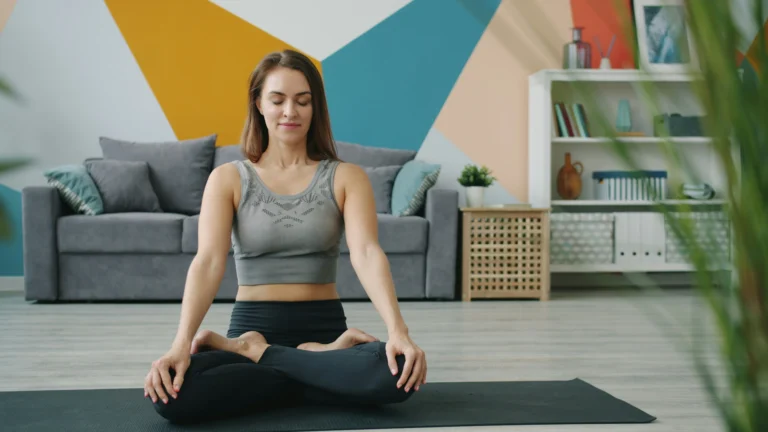
Related Reading:15-Minute Morning Yoga Routine for Flexibility and Energy– A minimalist, beginner-friendly sequence designed to ease tight muscles and boost focus.
10 Hobbies for Older Adults That Improve Brain and Body Health
Here’s the full list, with realistic details on cost, time, and what to actually expect when starting out.
1. Gardening
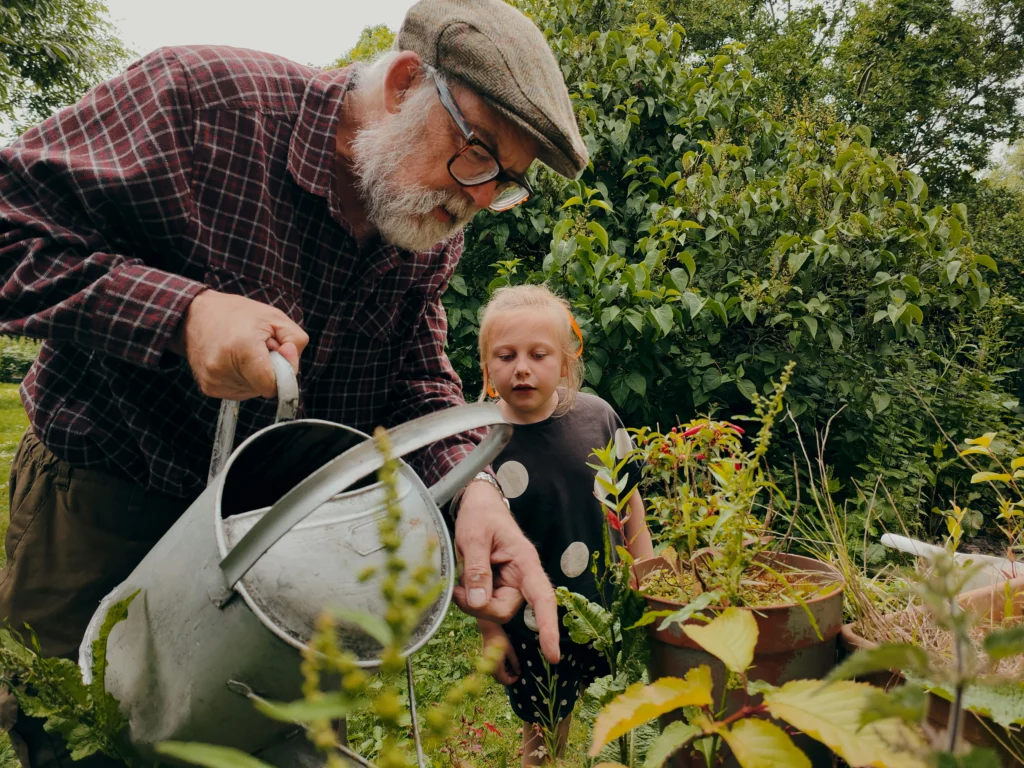
Gardening works your hands, your patience, and your problem-solving all at once. Even a few pots on a balcony count — you don’t need a backyard.
Start with something forgiving, like tomatoes or herbs, rather than jumping straight into a demanding rose garden. Expect to spend 20-30 minutes a few times a week during growing season. A basic setup with pots, soil, and seeds runs about $30-50 to start.
2. Learning a Musical Instrument
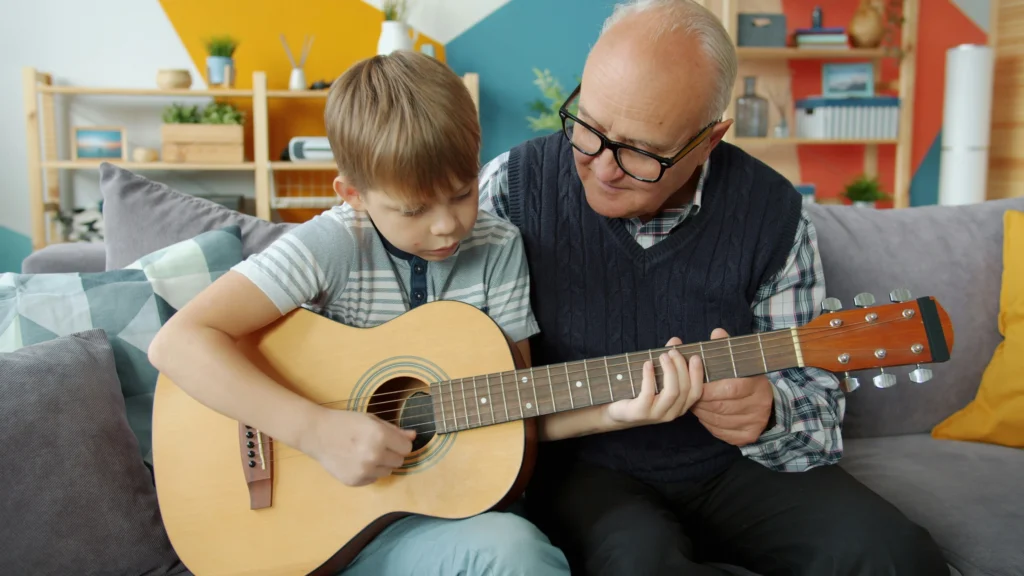
Picking up an instrument later in life sounds intimidating, but adult beginner classes exist specifically because so many people start in their 60s and 70s.
Piano and ukulele are two of the more forgiving options for stiff fingers or arthritis, since they don’t require the same grip strength as guitar. Fifteen minutes of practice a day, four or five times a week, tends to show progress within a couple of months.
3. Painting or Drawing
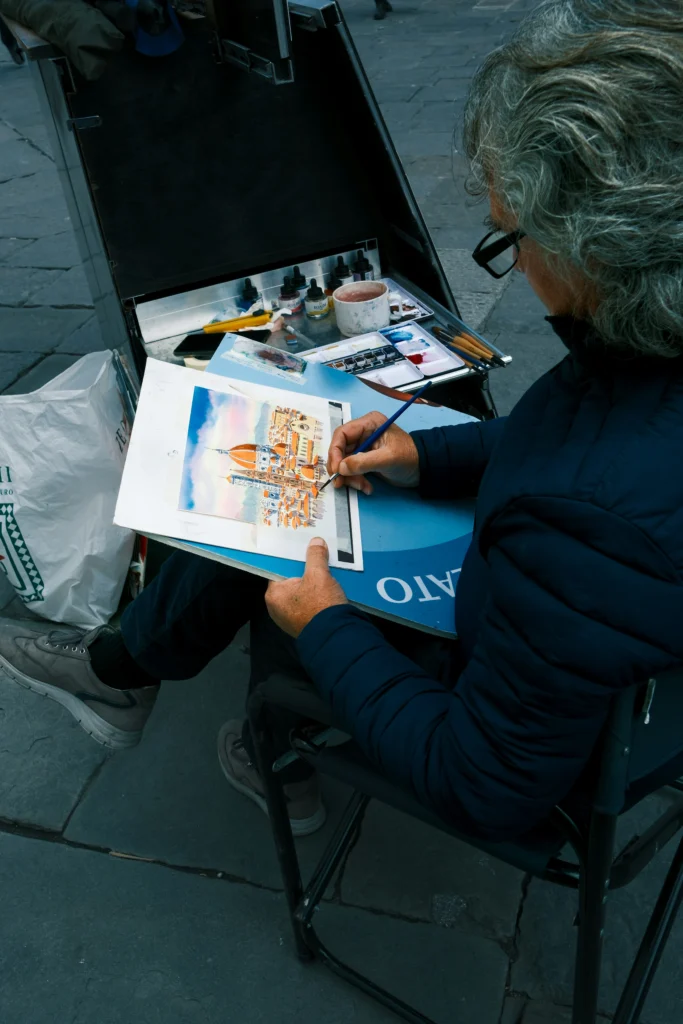
You don’t need talent to start — you need a pencil, some paper, and about twenty minutes. Watercolor is especially forgiving because mistakes blend into the next layer instead of standing out.
A basic starter set costs around $20-25. Many community centers also run low-cost classes, which adds the social benefit on top of the mental one.
4. Dancing
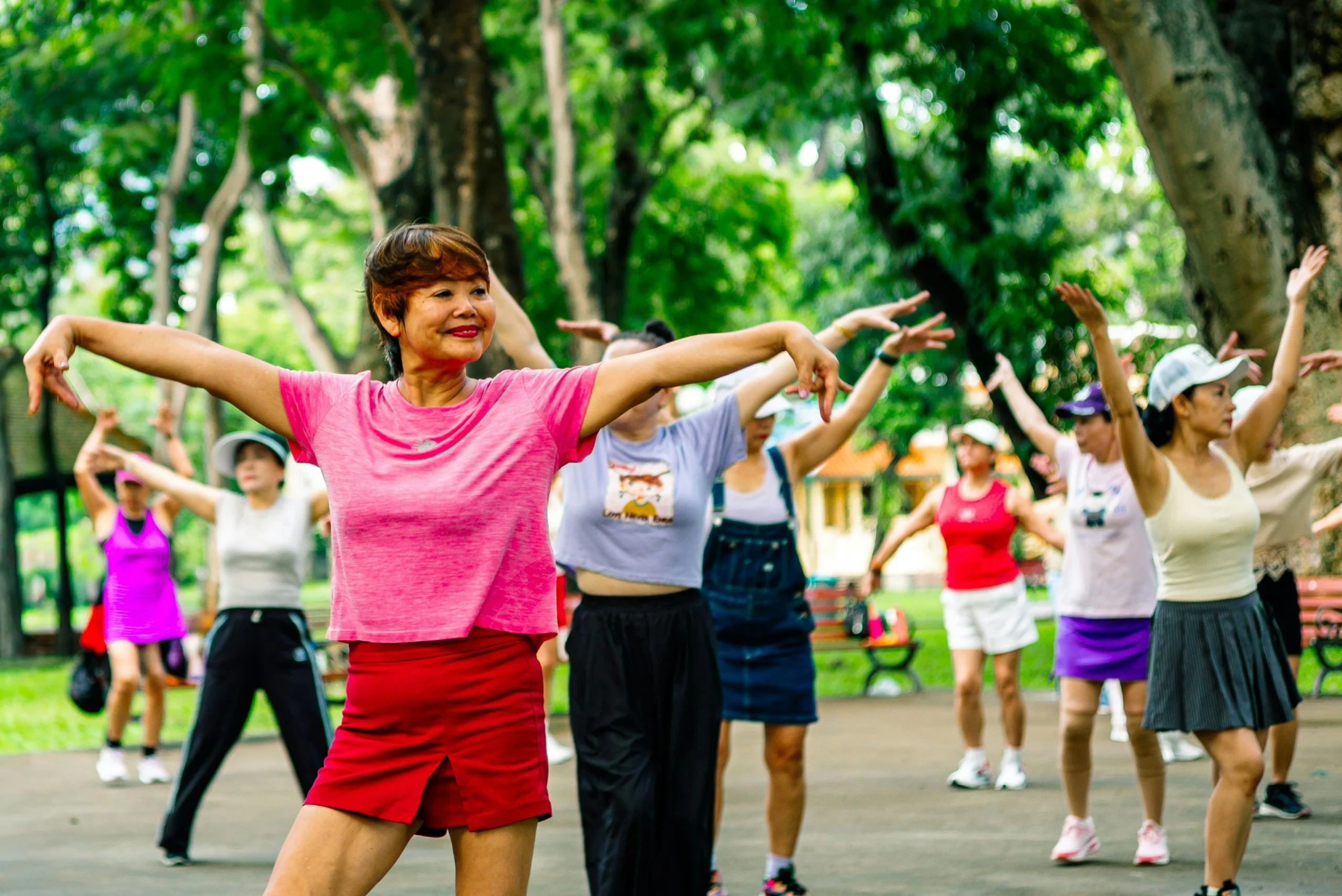
Dancing hits every category at once: memory (remembering steps), balance, cardiovascular health, and social connection if you take a class with a partner.
Ballroom, line dancing, and even simple movement-to-music sessions all count. Classes typically run once or twice a week for 45-60 minutes, and many community centers offer senior-specific sessions at a reduced rate.
5. Puzzle and Strategy Games
Jigsaw puzzles, chess, and bridge all fall into this category. The key is picking something with a genuine learning curve rather than something you’ve mastered years ago.
If you’ve played the same card game for decades, consider switching to something new like bridge or a strategy board game. The unfamiliarity is actually the point — your brain works harder when it’s not on autopilot.
6. Swimming or Water Aerobics
Water takes pressure off joints, which makes this one of the better options if arthritis or old injuries make walking or running uncomfortable.
Most community pools offer senior swim hours and water aerobics classes for $5-10 a session. Two or three sessions a week of 30 minutes each is a realistic starting goal.
7. Birdwatching
This one sounds quiet, but it involves more walking, focus, and memory (recalling species and locations) than people expect.
All you really need is a basic pair of binoculars, which run about $40-60 for a decent starter pair, and a local trail or even your own backyard. Many areas have birdwatching clubs that meet monthly, which adds a social layer too.
8. Cooking New Cuisines
Cooking engages memory, planning, and fine motor skills, and trying an unfamiliar cuisine adds the novelty factor that keeps your brain more engaged than repeating the same five recipes.
Start with one new recipe a week rather than overhauling your whole diet. Ingredient costs vary, but a new spice or two here and there is a small investment for a meaningfully different meal.
9. Journaling or Creative Writing
Writing by hand, even for ten minutes a day, has been linked in various studies to improved memory and reduced stress. It doesn’t need to be a novel — a daily journal entry counts.
A simple notebook costs a few dollars. Some people prefer prompts (like “describe a memory from your 20s”) if a blank page feels intimidating.
Related Reading:Best Morning Routine for Stress and Anxiety Reduction– A flexible, evidence-based framework designed to break the cycle of morning dread and lower baseline stress.
10. Volunteering
Volunteering isn’t a traditional hobby, but it checks the same boxes: routine, purpose, and social contact. Tutoring, library work, or helping at a food bank all require some mix of physical activity and mental engagement.
Most organizations ask for a few hours a week, and many are flexible around health needs or mobility limitations.
How to Pick the Right One for You
With ten options, it helps to narrow things down. Here’s a simple process I’d suggest.
Step-by-Step: Choosing Your Hobby
- Think about what you enjoyed years ago but stopped doing — sometimes the answer is right there.
- Consider your current mobility and energy level honestly, not how you felt at 40.
- Pick one hobby that’s mostly mental (puzzles, writing) and one that’s mostly physical (dancing, swimming) so you’re covering both bases.
- Try it for two weeks before deciding if it’s for you. Some hobbies take a little while to feel enjoyable.
- Look for a class or group version if you tend to lose motivation doing things alone.
Related Reading:Holistic Wellness Tips for Beginners to Live Healthier– Discover how to address the root causes of daily fatigue by tuning into the mind-body connection with sustainable, daily habits.
Comparing the 10 Hobbies at a Glance
| Hobby | Mental or Physical | Typical Cost to Start | Social Element |
|---|---|---|---|
| Gardening | Both | $30-50 | Low |
| Musical instrument | Mental | $50-150 | Medium (if classes) |
| Painting/drawing | Mental | $20-25 | Medium (if classes) |
| Dancing | Both | $10-20/class | High |
| Puzzle/strategy games | Mental | $10-30 | Medium |
| Swimming/water aerobics | Physical | $5-10/session | Medium |
| Birdwatching | Both | $40-60 | Medium (if club) |
| Cooking new cuisines | Mental | Varies | Low |
| Journaling | Mental | Under $10 | Low |
| Volunteering | Both | Free | High |
Quick-Reference Checklist Before Starting a New Hobby
- Check with a doctor first if the hobby involves new physical activity and you have existing health conditions
- Start with the cheapest version of the gear before investing in premium equipment
- Set a realistic weekly time goal (even 20 minutes, two or three times a week, is a solid start)
- Look for a local class or group option for built-in accountability
- Give it at least two weeks before deciding whether to stick with it
What to Expect in the First Few Weeks
Nobody feels amazing at a brand-new hobby right away, and I think that’s the part people underestimate most. Whatever you pick, expect a slightly awkward adjustment period before it starts feeling rewarding.
The First Two Weeks
This is usually the hardest stretch. Your fingers might fumble on the piano keys, your watercolor might look nothing like you pictured, or your first dance class might leave you feeling a step behind everyone else. That’s completely normal and doesn’t mean you picked the wrong hobby.
I’d suggest tracking just one thing during this stretch: whether you showed up, not whether you were good. Consistency matters more than skill at this stage.
Weeks Three to Six
This is usually when things start clicking. You’ll notice small wins — remembering a dance sequence without thinking about it, recognizing a bird call from across the yard, or getting through a recipe without checking the instructions every thirty seconds.
Many people report feeling a mood boost around this point too, likely tied to the sense of progress as much as the activity itself.
After Two Months
By this point, most people have a decent sense of whether the hobby is a keeper. If you’re still dreading it, it might be worth trying a different one from the list rather than forcing it. If you’re looking forward to it, that’s usually the sign to keep going and maybe deepen it — a more advanced class, a bigger garden bed, a harder puzzle.
Common Mistakes to Avoid
- Buying expensive gear before knowing if you’ll stick with it. Start cheap. Upgrade later if it becomes a real habit.
- Choosing something too easy. If a hobby doesn’t challenge you at all, the brain benefits tend to be smaller.
- Going it alone when a class would help. Motivation often comes from other people, not willpower alone.
- Ignoring physical limitations. Trying to dance or swim through pain isn’t the goal — modify or choose a gentler option instead.
- Quitting after one bad session. Most new skills feel awkward for the first few weeks. That’s normal, not a sign it’s not working.
When to Check With a Doctor First
If you’re starting a new physical hobby like dancing, swimming, or gardening and you have a heart condition, joint replacement, balance issues, or any other ongoing health concern, it’s worth a quick conversation with your doctor before diving in. This article offers general wellness suggestions, not medical advice, and what works well for one person may not be right for another.
Frequently Asked Questions
Final Thoughts
Watching my grandmother go from restless to genuinely looking forward to her Tuesday dance class taught me that the specific hobby matters less than actually picking one and giving it a real try. Start small, pick something that sounds even a little bit fun, and don’t worry about being good at it right away. The point isn’t mastery — it’s showing up regularly enough that your brain and body both notice.


2 Comments