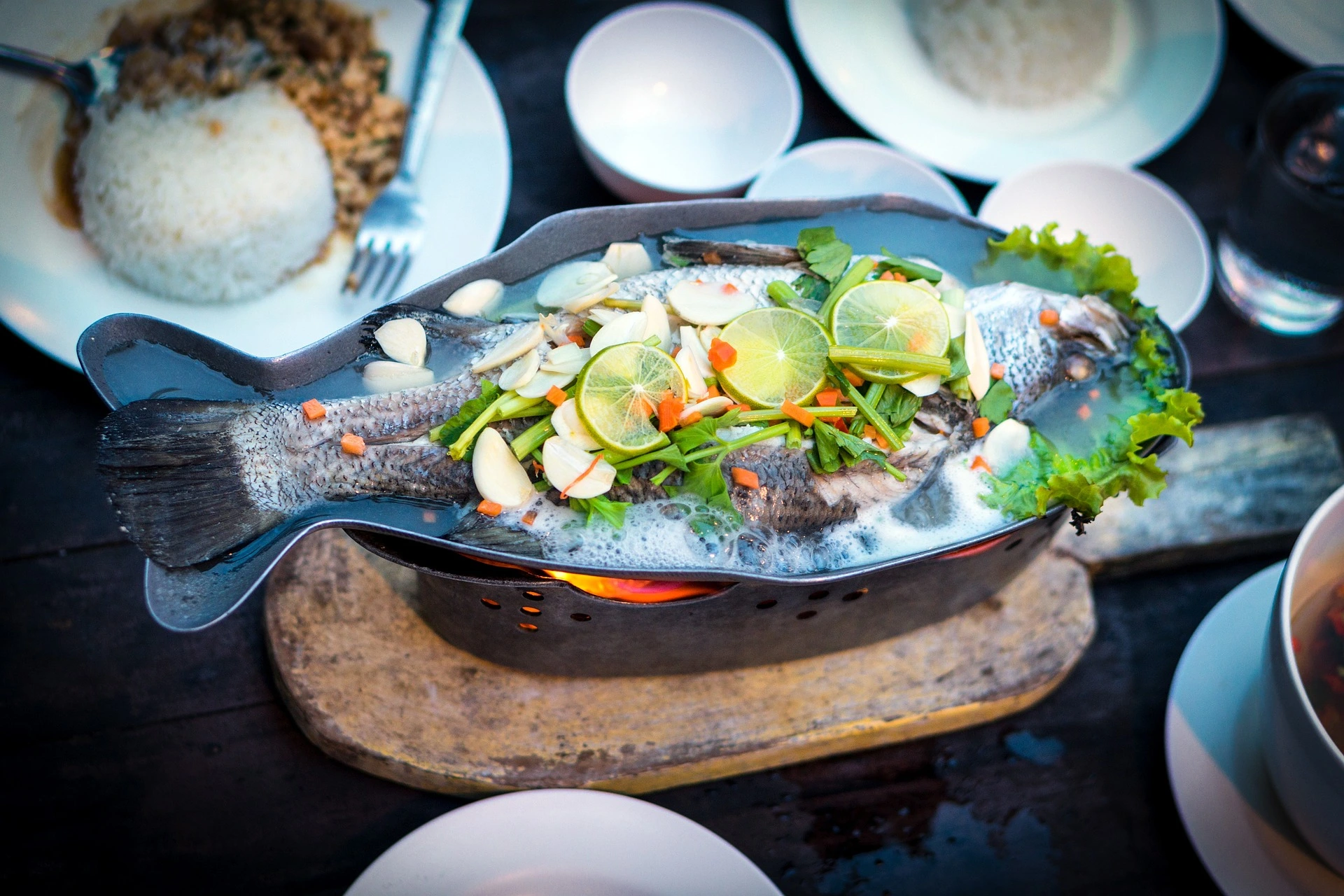
Healthy 5-Ingredient Dinners for Busy Weeknights (That I Actually Make)
It’s 6:15 pm. You just walked in from work. The fridge has half an onion, three eggs, and a sad bag of spinach that’s seen better days. Sound familiar?
I’ve been there more nights than I’d like to admit. That’s exactly why I started building a rotation of Healthy 5-Ingredient Dinners for Busy Weeknights — meals that don’t need a grocery run, a recipe card, or an hour of standing at the stove. After years of trial, error, and a few genuine kitchen disasters, I landed on combos that are fast, actually nutritious, and don’t taste like you’re settling for less.
Why 5-Ingredient Dinners Actually Work on Weeknights
The math is simple. Fewer ingredients mean fewer decisions, less shopping, and way less cleanup. When I’m tired, decision fatigue is the real enemy — not lack of cooking skill.
I used to think “healthy” meant complicated. Multiple sauces, a dozen spices, three pans going at once. That’s just not realistic on a Tuesday when you’ve got fifteen minutes before your kid needs help with homework.
Five ingredients forces you to focus on what actually matters: a protein, a vegetable, a carb or fat, and one or two things that bring flavor. Everything else is noise.
There’s also a money angle nobody talks about enough. Fewer ingredients per meal usually means less food waste by the end of the week. I used to buy a long list of specialty items for one recipe, use half of each, then toss the rest a month later. Sticking to a short, repeatable list of staples cut my grocery bill noticeably, and I wasn’t throwing out wilted herbs every Sunday.
There’s a mental side to this too, and I say that as someone who used to dread the 5 pm “what’s for dinner” scramble. Having a small set of go-to meals removes the anxiety of staring into the fridge with no plan. You’re not cooking from inspiration every night — you’re cooking from a system. That difference matters more than people expect.
Explore More: Check out Stewartmanor’s Food Category for expert-tested recipes, seasonal cooking ideas, and essential kitchen tips to inspire your next meal.
My Go-To Formula for Healthy 5 Ingredient Dinners for Busy Weeknights
Here’s the framework I use almost every single week. It’s not a recipe — it’s a template you can plug almost anything into:
- One protein (chicken thighs, canned salmon, eggs, tofu, ground turkey)
- One vegetable (frozen or fresh — no shame in frozen)
- One carb or starch (rice, pasta, tortillas, potatoes)
- One fat or sauce (olive oil, tahini, soy sauce, a jarred pesto)
- One flavor booster (garlic, lemon, chili flakes, a spice blend)
Once this clicked for me, weeknight cooking stopped feeling like a chore. I stopped Googling recipes and started just… cooking.
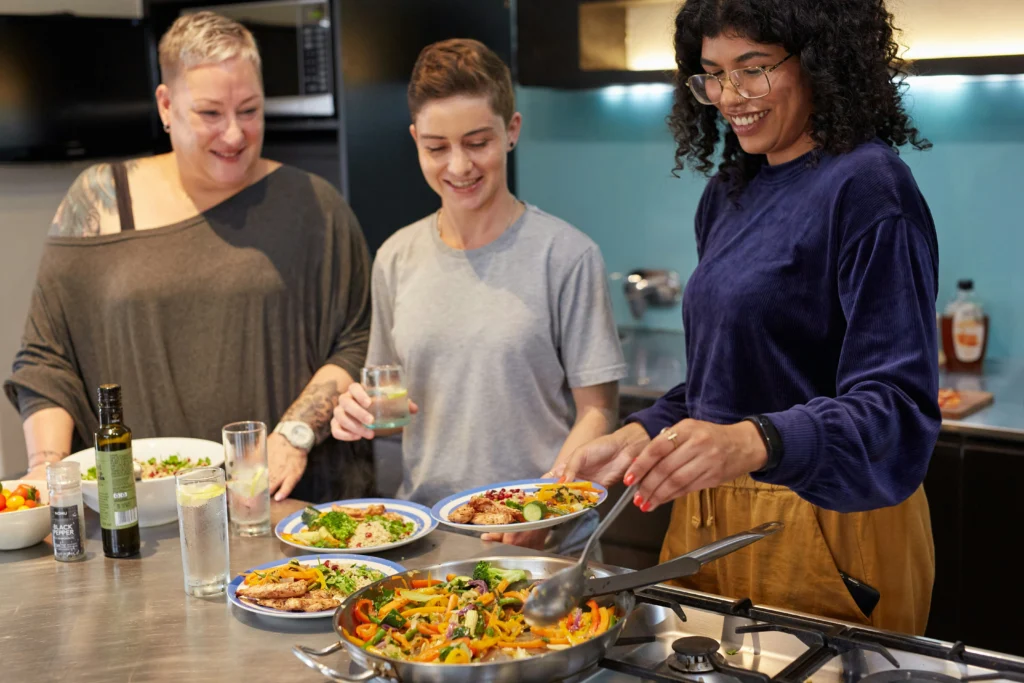
7 Healthy 5-Ingredient Dinners I Make on Repeat
These are the meals in heavy rotation at my house. Each one takes 25 minutes or less, start to finish.
1. Lemon Garlic Chicken with Roasted Broccoli
Toss boneless chicken thighs with olive oil, lemon juice, and minced garlic. Roast at 425°F for about 20 minutes, tossing broccoli florets in the same pan halfway through. Season with salt. That’s it — five ingredients, one sheet pan.
2. Salmon and Spinach Rice Bowl
Flake a can of wild salmon over a bowl of cooked rice. Wilt a handful of spinach in the same pan with a splash of soy sauce. Add a soft-boiled egg on top if you have one lying around.
3. Turkey Taco Skillet
Brown ground turkey with taco seasoning, stir in a can of black beans and a handful of shredded cheese. Serve in tortillas or over rice. My kids don’t even know it’s “healthy” — they just call it taco night.
4. Chickpea and Tomato Skillet
Sauté canned chickpeas with crushed garlic and a can of diced tomatoes. Simmer 10 minutes, stir in a spoonful of tahini at the end for creaminess. Serve with crusty bread or over couscous.
5. Sheet Pan Sausage and Peppers
Slice chicken or turkey sausage and bell peppers, toss with olive oil and Italian seasoning. Roast at 400°F for 25 minutes. I usually throw in a sliced sweet potato for the carb.
6. Egg Fried Rice, Fast Version
Scramble two eggs, push aside, add cold leftover rice, frozen peas, and a few glugs of soy sauce. Stir-fry for 5 minutes on high heat. This one saved me more nights than I can count.
7. Greek Yogurt Chicken with Cucumber
Marinate chicken breast in plain Greek yogurt, garlic, and lemon for even just 15 minutes, then grill or pan-sear. Serve with sliced cucumber and a drizzle of olive oil.
8. White Bean and Kale Skillet
Sauté chopped kale with olive oil and garlic until it wilts down, then stir in a can of white beans and a squeeze of lemon. Top with grated parmesan if you have it. This one became a regular after I realized how filling beans actually are — I used to underestimate them completely.
How to Adapt These Dinners for Different Diets
I get asked this a lot, so it’s worth addressing directly. The five-ingredient formula flexes easily for most common dietary needs without losing the “quick and healthy” part.
Vegetarian or Vegan
Swap the protein for chickpeas, white beans, lentils, tofu, or tempeh. The chickpea tomato skillet and the white bean kale skillet above are both naturally vegetarian, and skipping the cheese or swapping tahini in for dairy makes them vegan too.
Gluten-Free
Rice, potatoes, corn tortillas, and quinoa all work as substitutes wherever a recipe calls for pasta or wheat tortillas. Just double-check that any pre-made taco seasoning or sauce doesn’t sneak in wheat as a filler.
Lower-Carb
Drop the rice, pasta, or tortilla and bulk up the vegetable portion instead — roasted cauliflower rice or a bigger pile of greens works well. The sheet pan sausage and peppers recipe barely needs a starch at all if you’re eating low-carb.
I’ll add a small disclaimer here: these are general food swaps, not medical advice. If you’re managing a diagnosed condition like celiac disease or a specific allergy, it’s worth double-checking labels yourself or asking a registered dietitian, since “gluten-free” and “healthy” aren’t always guaranteed on packaged products.
Quick Comparison: Which Combo Fits Your Night?
Some nights you need speed. Others you need something that reheats well for lunch tomorrow. Here’s how these break down:
| Dinner | Prep Time | Reheats Well? | Kid-Friendly | Best For |
|---|---|---|---|---|
| Lemon Garlic Chicken + Broccoli | 20 min | Yes | Medium | Sunday meal-prep |
| Salmon Spinach Rice Bowl | 12 min | Okay | Low | Solo/quick nights |
| Turkey Taco Skillet | 15 min | Yes | High | Family dinner |
| Chickpea Tomato Skillet | 18 min | Yes | Medium | Meatless Monday |
| Sausage and Peppers | 25 min | Yes | High | Batch cooking |
| Egg Fried Rice | 8 min | No | High | Emergency dinners |
| Greek Yogurt Chicken | 15 min (+marinate) | Yes | Medium | Weekend prep-ahead |
| White Bean and Kale Skillet | 15 min | Yes | Low | Meatless, low-effort nights |
How to Stock a Pantry for Fast Weeknight Meals
None of this works without the right stuff on hand. I keep a running checklist taped inside my pantry door — sounds a little obsessive, but it works.
Pantry and freezer checklist:
- Canned beans (chickpeas, black beans)
- Canned fish (salmon, tuna)
- Frozen vegetables (peas, broccoli, mixed stir-fry blend)
- Rice, pasta, or couscous
- Eggs (always eggs)
- Olive oil, soy sauce, tahini
- Garlic, lemons, onions
- A spice blend or two you actually like
If your pantry looks like this, you’re never more than 20 minutes from dinner. That’s not an exaggeration — I’ve timed it.
Step-by-Step: Getting Dinner on the Table in 20 Minutes
When I’m teaching someone this method for the first time, I break it down like this:
- Pick your protein first. Everything else builds around it.
- Preheat whatever you’re using — oven, skillet, or grill pan — before you touch anything else.
- Prep your vegetable while the protein starts cooking. Multitasking is the whole trick here.
- Add your carb — rice or pasta should already be cooked or reheating on the side.
- Season last. Salt, acid (lemon or vinegar), and one bold flavor element tie it together.
- Plate and walk away. Don’t overthink presentation on a Tuesday.
Once you’ve done this five or six times, it stops requiring a recipe at all. Your hands just know what to do.
Common Mistakes to Avoid
I’ve made every one of these myself, so consider this a shortcut past my mistakes.
- Overcomplicating the sauce. One good fat plus one acid is usually enough. You don’t need five spices.
- Not prepping the protein the night before. Even five minutes of marinating in the morning changes everything by dinnertime.
- Skipping frozen vegetables out of guilt. Frozen veggies are flash-frozen at peak ripeness — nutritionally, they hold up fine.
- Using low heat for everything. A hot pan is what gives you that browned, restaurant-ish flavor in under 10 minutes.
- Forgetting to salt in stages. Salting only at the end leaves food tasting flat, even with good ingredients.
- Not tasting as you cook. This sounds obvious, but when you’re rushing, it’s the first step people skip. A quick taste halfway through saves you from a bland or over-salted plate.
- Buying too many “just in case” ingredients. I used to keep a dozen sauces in the fridge door for recipes I made once. Now I stick to four or five staples and rotate them across different proteins and vegetables instead of buying something new every week.
A quick note: if you’re managing a specific health condition — like diabetes, kidney issues, or a heart condition — it’s worth checking with a doctor or registered dietitian before making big changes to your regular diet. What works for general weeknight balance may not fit every individual’s needs.
FAQ: Healthy 5-Ingredient Dinners for Busy Weeknights
One Last Thing Before You Go
Cooking on a weeknight doesn’t need to be a production. Some of my favorite dinners came from nights I had zero motivation and just grabbed what was closest to expiring in the crisper drawer. Give yourself permission to keep it simple — five ingredients, one pan, and a little bit of confidence go a long way.
If you try even two or three of these on repeat for a month, you’ll probably notice what I did: dinner stops being a decision you dread and just becomes something that happens. Your future, less-exhausted self will thank you for it.

One Comment