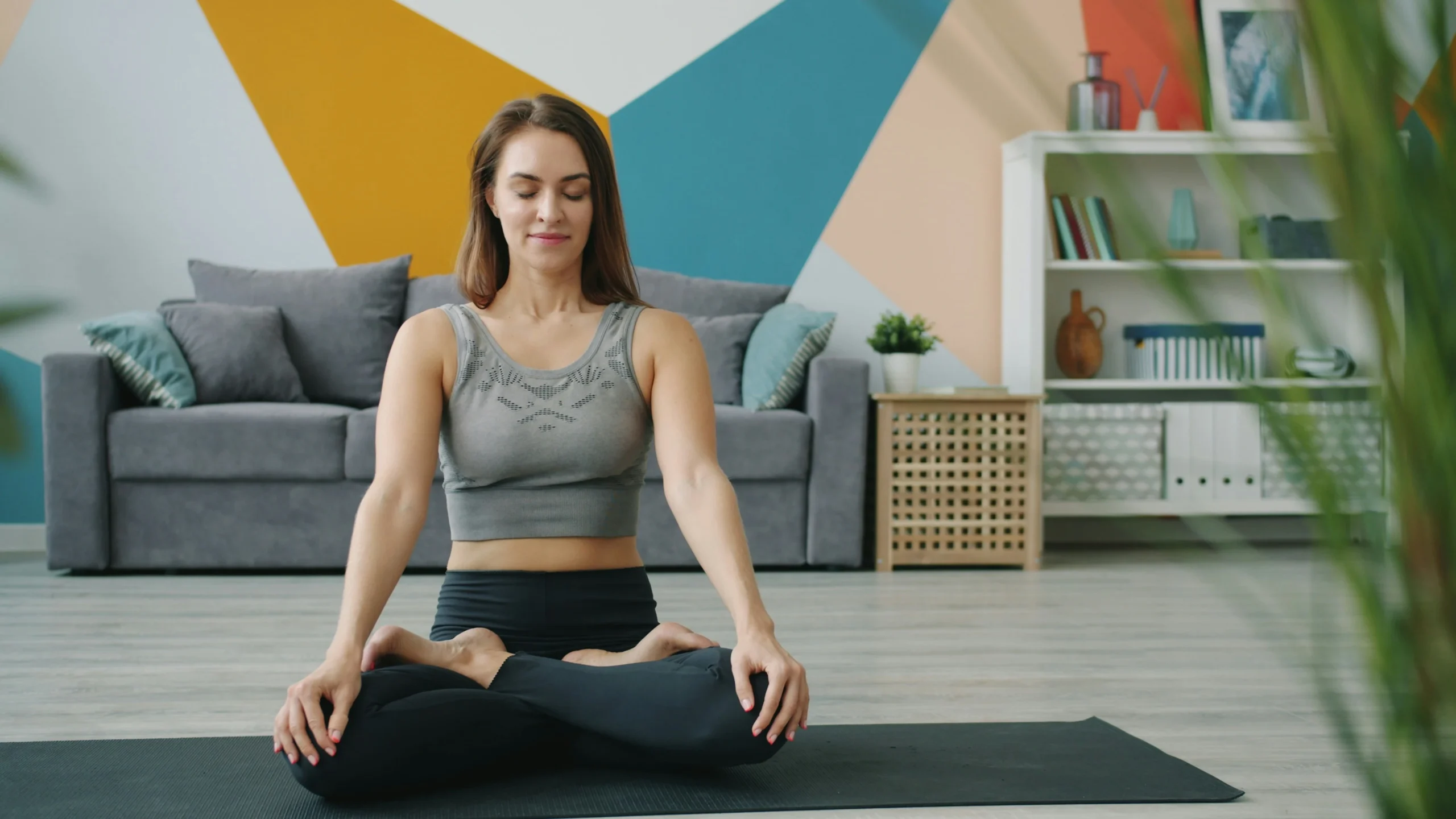
15 Minute Morning Yoga Routine for Flexibility and Energy
I used to think yoga required an hour, a scented candle, and a level of flexibility I clearly did not possess.
For years, that belief kept me off the mat entirely. I’d watch videos of people folding themselves in half like human pretzels and think, “that’s just not for me.” Meanwhile, I was waking up stiff, cranky, and reaching for my third coffee before 9 a.m. just to feel semi-human. My hips ached from a desk job. My shoulders lived somewhere up near my ears. Something had to give.
What finally changed things wasn’t a dramatic overhaul. It was ridiculously small — a 15 minute morning yoga routine for flexibility and energy that I found almost by accident during a particularly low week, and committed to trying for just seven days. That was over two years ago. I still do some version of it almost every morning.
This isn’t a routine designed for advanced yogis or people who can already touch their toes without complaint. This is for the stiff, the skeptical, the perpetually rushed. Grab a mat (or a towel, honestly, that’s what I used the first month), and let’s get into it.
A clear mind deserves a clear space. To ensure your home environment matches your peaceful post-yoga mindset, check out these simple everyday cleaning tasks for a healthy lifestyle.
Why 15 Minutes Is the Sweet Spot
Here’s something that took me embarrassingly long to accept: more isn’t always better, especially first thing in the morning.
Longer yoga sessions are wonderful, but they’re also easy to skip when life gets busy — and a skipped 60-minute routine helps nobody. Fifteen minutes, on the other hand, is short enough to feel doable even on a rushed Tuesday, but long enough to genuinely loosen stiff joints, wake up sluggish muscles, and shift your nervous system out of “just woke up and dreading the day” mode.
There’s real physiology behind this. According to research summarized by the Cleveland Clinic, gentle movement in the morning increases blood flow and synovial fluid circulation in the joints, which is exactly why you feel “creaky” first thing and looser after even brief movement. Yoga specifically combines that movement with breathwork, which helps regulate your nervous system and ease you into the day rather than jolting you into it.
Fifteen minutes also happens to be just long enough to complete a full sequence — warm-up, deeper stretches, and a grounding finish — without needing to rush through poses or skip the parts that actually matter.
My Honest “I Tried This” Story
I’ll be transparent: my first attempt at a morning yoga routine was rough. I set my alarm 20 minutes earlier, rolled onto my mat still half-asleep, and immediately felt resentful about the whole thing. My hamstrings screamed during a simple forward fold. My balance in tree pose was, generously, unstable.
But I kept going, mostly out of stubbornness. By day five, something shifted. I wasn’t fighting my own stiffness anymore — I was working with it, gently, without judgment. By day twelve, I noticed I wasn’t reaching for a second coffee out of sheer grogginess. My shoulders, which had lived in a permanent hunch from years at a keyboard, started to feel like they belonged to me again.
Now, this routine is as automatic as brushing my teeth. Some mornings it’s the only calm 15 minutes I get before chaos begins, and that alone makes it worth protecting.
Starting your day with intention changes everything. To build a morning that protects your mental peace, try implementing the best morning routine for stress and anxiety reduction to lower your daily cortisol levels and start your morning feeling calm and focused.
Before You Begin: A Few Honest Notes
I’m a longtime wellness writer and yoga practitioner, not a certified yoga therapist or physical therapist. This routine is designed for generally healthy adults looking to improve flexibility and morning energy. If you have any existing injuries, joint conditions, or are recovering from surgery, please check with a doctor or physical therapist before starting any new movement routine. Listen to your body throughout — “gentle stretch” should never tip into sharp pain.
With that said, here’s what you’ll need:
- A yoga mat (or a folded towel/rug if you don’t have one yet)
- Comfortable clothing that allows full range of motion
- About 15 minutes of uninterrupted time
- Bare feet, ideally
No blocks, straps, or fancy equipment required. This routine is intentionally minimalist.
The Full 15 Minute Morning Yoga Routine, Step by Step
I’ve broken this into three simple phases: Wake (3 minutes), Open (8 minutes), and Ground (4 minutes). Move slowly and breathe deeply throughout — the breath is doing just as much work as the stretch itself.
Phase 1: Wake (3 Minutes)
1. Seated Breath Awareness (1 minute)
Sit cross-legged on your mat, spine tall. Close your eyes and simply notice your breath for several rounds — no need to change it yet. This gives your nervous system a moment to transition out of sleep mode.
2. Cat-Cow Stretch (1 minute)
Move to all fours. Inhale, drop your belly, lift your gaze (Cow). Exhale, round your spine, tuck your chin (Cat). Repeat slowly for about 6-8 rounds. This is one of the most effective ways to wake up a stiff spine, and it feels genuinely satisfying even on the crankiest mornings.
3. Child’s Pose (1 minute)
Sink your hips back toward your heels, arms extended forward, forehead resting on the mat. Breathe deeply here. This gently stretches your lower back and hips while keeping things calm and unrushed.
Phase 2: Open (8 Minutes)
4. Downward-Facing Dog (1 minute)
From child’s pose, tuck your toes and lift your hips up and back into an inverted V shape. Pedal your feet slowly to release tension in your calves and hamstrings. Keep a soft bend in your knees if your hamstrings are tight — there’s zero need to force straight legs here.
5. Low Lunge with Twist (2 minutes, both sides)
Step your right foot forward into a low lunge, back knee gently lowered. Place your left hand down and reach your right arm up toward the ceiling, twisting through your upper spine. Hold for several breaths, then switch sides. This one targets hip flexors, which tend to be chronically tight for anyone who sits most of the day.
6. Standing Forward Fold (1 minute)
From standing, hinge at your hips and fold forward, letting your head hang heavy. Bend your knees generously if your hamstrings protest. This pose is deceptively simple but does wonders for releasing tension in the entire back body.
7. Warrior II (2 minutes, both sides)
Step into a wide stance, front knee bent, arms extended parallel to the floor. This pose builds strength while stretching your inner thighs and hips, and it tends to create an immediate feeling of alertness and groundedness.
8. Seated Forward Fold (2 minutes)
Sit with legs extended, and fold forward from your hips, reaching toward your feet or shins — wherever your flexibility allows today. Remember: this isn’t a competition with yesterday’s version of yourself.
Phase 3: Ground (4 Minutes)
9. Bridge Pose (2 minutes)
Lie on your back, knees bent, feet flat. Lift your hips toward the ceiling, engaging your glutes and opening the front of your hips. This counters hours of sitting beautifully and adds a gentle energizing effect.
10. Reclined Spinal Twist (1 minute, both sides)
Lying on your back, drop both knees to one side while keeping shoulders grounded. This releases lower back tension accumulated overnight.
11. Final Stillness (1 minute)
Lie flat, arms relaxed at your sides, eyes closed. Take a few final deep breaths before slowly opening your eyes and easing into your day.
Creating a healthier lifestyle doesn’t require an extreme overhaul all at once. For a gentle, evidence-based roadmap that connects your physical and mental health, check out our guide on holistic wellness tips for beginners to live healthier and start building sustainable habits today.
Common Mistakes People Make With Morning Yoga
I’ve made most of these myself, so let this save you some frustration.
- Skipping the breath and just moving through poses. The breathwork is half the benefit — without it, you’re just stretching, not practicing yoga.
- Comparing your flexibility to instructors online. Many yoga instructors have practiced for years or decades. Your first forward fold is not supposed to look like theirs.
- Rushing through poses to “get it done.” Fifteen minutes done slowly is far more effective than fifteen minutes rushed through anxiously.
- Practicing on an empty stomach when it causes dizziness. If you need a small sip of water or light hydration first, that’s completely fine.
- Forcing painful positions. Gentle discomfort from stretching is normal; sharp or shooting pain is your body asking you to stop.
- Giving up after one stiff, frustrating morning. Flexibility builds gradually over weeks, not days. Consistency beats intensity every time.
Pros and Cons of a Morning Yoga Practice
Pros:
- Increases flexibility and joint mobility gradually and safely
- Boosts morning energy without relying solely on caffeine
- Reduces stiffness from sleep position or sedentary lifestyles
- Creates a calm, intentional start to the day, which supports overall stress reduction
Cons:
- Requires waking up slightly earlier, which isn’t realistic for everyone’s schedule
- Progress in flexibility is gradual, not instant — this isn’t a quick fix
- May feel uncomfortable or unfamiliar during the first week for true beginners
Tips to Make This Routine Actually Stick
- Keep your mat visible, not tucked away in a closet. If you have to search for it, you’re less likely to use it.
- Pair it with an existing habit, like right after you get out of bed or right before your morning coffee.
- Don’t aim for perfect poses. Aim for consistent movement. A wobbly tree pose still counts.
- Track it loosely with a simple calendar checkmark — visible progress is motivating without becoming another source of pressure.
- Modify freely. Bent knees, shorter holds, or skipping a pose that doesn’t feel right for your body today are all completely valid.
How This Pairs With the Rest of Your Morning
If you’ve read our guide on the best morning routine for stress and anxiety reduction, this yoga sequence slots in beautifully as the “gentle movement” component. I personally do this right after my five minutes of stillness and before I head outside for morning sunlight — the combination genuinely changed how my mornings feel.
Bringing It All Together
A 15 minute morning yoga routine for flexibility and energy isn’t about achieving picture-perfect poses or becoming remarkably bendy overnight. It’s about giving your body a gentle, consistent invitation to wake up, loosen up, and meet the day from a place of groundedness instead of grogginess.
Start where you are. Modify generously. Some mornings will feel fluid and easy; others will feel stiff and clumsy, and that’s completely normal. What matters is showing up on your mat, even imperfectly, more mornings than not.
Actionable takeaway: Tomorrow morning, before checking your phone or making coffee, roll out a mat (or towel) and move through just the first three poses — Seated Breath Awareness, Cat-Cow, and Child’s Pose. That’s under five minutes, and it’s the exact starting point I used two years ago.
Related reading on Stewart Manor:
- Best Morning Routine for Stress and Anxiety Reduction
- Healthy Evening Snacks Under 200 Calories for Weight Loss
- Simple Breathing Techniques for Panic and Overwhelm
- How to Build a Calming Evening Wind-Down Routine
- 5 Low-Maintenance Plants Perfect for Anxious Green Thumbs






One Comment