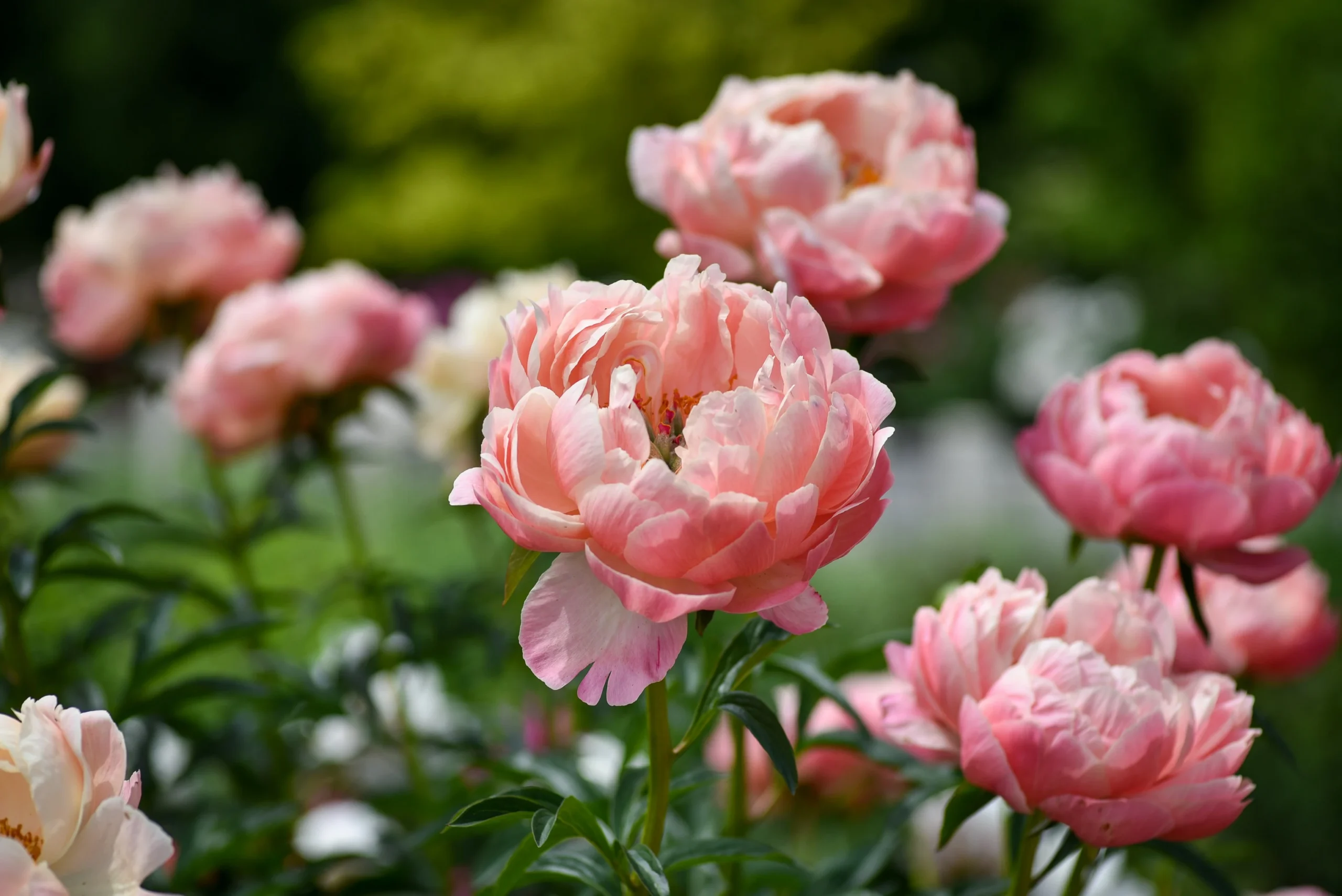
How to Prune Peonies for the Most Stunning Blooms Next Year
It had been growing in the same corner of her garden for over twenty years — a rite of passage every May, when those huge, ruffled pink blooms would open up and fill the whole yard with their soft, sweet fragrance. When I inherited that plant and moved it to my own home, I was terrified of doing anything wrong. So I did… nothing. I left the old stems standing through winter. I never cut back the foliage. I figured “less interference, more flowers,” right?
The next spring, my peony came up weak, floppy, and covered in strange gray-brown spots. Only a handful of buds formed, and half of those never even opened — they just turned brown and shriveled on the stem. I panicked. I researched for hours. I called a friend who runs a small cut-flower farm nearby. And that’s when I learned the truth: peonies don’t need to be left alone. They need to be pruned — correctly, and at the right time — or they’ll struggle year after year.
If you’re reading How to Prune Peonies for the Most Stunning Blooms Next Year, this because your peonies are looking sad, leggy, diseased, or just aren’t blooming the way they used to, I want you to know something first: you haven’t ruined your plant. Peonies are famously tough, long-lived perennials (some live 50-100 years!), and almost any pruning mistake can be corrected with patience and the right approach going forward.
In this guide, I’m going to walk you through exactly how, when, and why to prune your peonies — whether you have the common herbaceous (bush) type, the woody tree peony, or the increasingly popular Itoh (intersectional) hybrid. I’ll share the steps I use in my own garden every single year, the mistakes I made so you don’t have to, and the little details that make the difference between a so-so bloom season and the kind of peony display that makes your neighbors slow down when they walk past your yard.
By the end of this article, you’ll know exactly what to cut, when to cut it, and how to set your peonies up for their fullest, healthiest, most breathtaking blooms next spring.
Why Pruning Peonies Actually Matters
A lot of gardeners assume peonies are “low maintenance,” and in many ways they are — but that reputation sometimes leads people to skip pruning altogether. Here’s why that’s a mistake, and why the right pruning routine changes everything.
1. It Prevents Disease (Especially Botrytis Blight)
Peony foliage left standing over winter, or left unmanaged during the growing season, is one of the leading causes of botrytis blight, a fungal disease that causes stems to blacken, buds to turn brown and fail to open, and leaves to develop water-soaked spots. From my research and experience talking with local extension gardeners, the fungal spores overwinter in old plant debris and reinfect the new shoots as soon as they emerge in spring. Cutting back and removing old foliage each fall is one of the single most effective things you can do to break this disease cycle.
2. It Redirects Energy Into the Roots
Herbaceous peonies are root-storage plants. In late summer and fall, the foliage is busy photosynthesizing and sending sugars down into the root system, where next year’s flower buds are already forming. Removing spent or damaged foliage at the right time (not too early!) prevents the plant from wasting energy on diseased or dying leaves and lets it focus on strong root development.
3. It Encourages Bigger, More Plentiful Blooms
Deadheading spent flowers during bloom season stops the plant from putting energy into seed production, and instead channels that energy back into the crown and roots for next year’s show. Gardeners who deadhead consistently often report noticeably fuller blooms the following spring.
4. It Keeps the Plant’s Shape Attractive All Season
Peonies can get floppy, especially the big double-flowered varieties. Selective pruning, staking, and shaping keep the plant looking tidy in your landscape rather than sprawled across the garden bed after a spring rain.
5. It Extends the Life of the Plant
Peonies can live for decades — even generations, like mine did. Proper pruning is part of the long-term maintenance that keeps a peony productive for 30, 50, even 100 years.
Know Your Peony Type Before You Prune
This is the step How to Prune Peonies for the Most Stunning Blooms Next Year, almost everyone skips, and it’s the reason so many peony-pruning tutorials online feel contradictory. Not all peonies are pruned the same way. There are three main types:
| Peony Type | Growth Habit | Fall Pruning | Spring Pruning |
|---|---|---|---|
| Herbaceous (bush) peonies | Dies back to the ground every winter | Cut all stems to 2-3 inches after first hard frost | Light cleanup only |
| Tree peonies | Woody shrub, does NOT die back | Do NOT cut to the ground | Remove only dead/damaged wood in spring |
| Itoh (intersectional) hybrids | Cross between herbaceous and tree types; mostly dies back but has some woody base | Cut back most growth, leave a couple inches of woody base | Light cleanup, remove winter-damaged tips |
If you’re not sure which type you have, look at the base of the plant in late fall. If it’s completely soft, green stems that die back to the soil — that’s herbaceous. If there’s a hard, woody, bark-covered stem that stays standing through winter like a small shrub — that’s a tree peony. Itoh types will show a bit of both.
Step-by-Step Guide: How to Prune Herbaceous Peonies (Most Common Type)
This is the process I now follow every single year, and it’s the one that finally brought my grandmother’s peony back to its full glory.
Step 1: Deadhead Spent Blooms During Flowering Season (Late Spring)
As soon as a flower begins to fade and the petals start dropping, cut the flower stem down to the first full set of leaves below the bloom. Use clean, sharp bypass pruners and cut at a slight angle.
- Do this throughout the entire bloom period, not all at once.
- Always leave the foliage intact at this stage — the leaves are still feeding the roots.
Step 2: Leave the Foliage Alone All Summer
This is the step that trips people up. Even though the flowers are gone, do not cut back the green foliage in summer. Those leaves are working hard, photosynthesizing and sending energy down to the roots to form next year’s buds. Cutting the plant back early is one of the most common reasons peonies fail to bloom the following spring.
Step 3: Watch for the First Hard Frost
Herbaceous peony foliage will naturally start to yellow, then brown, in autumn. Wait until after the first hard frost (when temperatures drop to around 25-28°F / -4 to -2°C) before doing your major fall cutback. This timing matters because:
- The plant needs the full growing season to store energy.
- Cutting too early can weaken next year’s bloom.
- Waiting until after a hard frost ensures the foliage has finished its job.
Step 4: Cut All Stems Down to 2-3 Inches Above Soil Level
Using clean, sharp pruners (or loppers for thicker stems), cut every single stem down to about 2-3 inches from the ground. Don’t be afraid to cut low — herbaceous peonies regrow entirely from the crown each spring, so there’s no risk of “cutting off” next year’s flowers by pruning close to the soil.
Step 5: Remove ALL Cut Foliage From the Garden Bed
This step is non-negotiable if you want to avoid disease. Rake up every leaf, stem, and scrap of foliage and dispose of it in the trash or a hot compost pile (not a regular compost bin, since many home compost piles don’t get hot enough to kill fungal spores). Leaving debris around the crown is the number one cause of botrytis blight returning year after year.
Step 6: Add a Light Layer of Mulch (Optional, Climate-Dependent)
In very cold climates (Zone 3-5), a light 2-3 inch layer of mulch after the ground freezes can help protect the crown. In milder climates, this usually isn’t necessary and can even encourage rot if overdone. Pull mulch back away from the crown in early spring.
Step 7: Spring Cleanup
In early spring, once new red shoots start poking through the soil, do a light cleanup: remove any remaining winter debris, check for winter-damaged shoots, and clear the area so air can circulate freely around the new growth (this also helps prevent disease).
Pruning Tree Peonies: A Different Approach
Tree peonies are woody and do not die back in winter, so the fall cutback rule does not apply here.
- Never cut tree peonies to the ground. You’ll remove the woody structure that took years to develop.
- In early spring, before new growth fully emerges, remove any dead, damaged, or crossing branches.
- Cut just above a healthy outward-facing bud, at a slight angle.
- Deadhead spent flowers back to the first strong leaf node, similar to herbaceous types.
- Only remove about 1/3 of old wood at most in a single season if you’re trying to rejuvenate an overgrown tree peony — doing more can shock the plant.
Pruning Itoh (Intersectional) Peonies
Itoh peonies are a hybrid, so they get a hybrid approach:
- Deadhead blooms throughout spring, same as herbaceous types.
- In fall, after a hard frost, cut back most of the plant — but leave 1-2 inches of the woody base stems intact rather than cutting flush to the soil.
- Remove all cut debris from the bed.
- In spring, trim back any winter-damaged tips to healthy growth.
Practical Tips & Techniques for Better Results
- Use the right tools. Sharp, clean bypass pruners (not anvil-style) give a cleaner cut and reduce stem damage. Wipe blades with rubbing alcohol between plants to avoid spreading disease.
- Cut at an angle. Angled cuts shed water more easily than flat cuts, reducing rot risk.
- Stake floppy varieties early. Double-flowered peonies especially benefit from a peony ring or grow-through stake installed in early spring, before the plant gets tall — trying to stake it after it’s flopped over is much harder.
- Water at the base, not overhead. Wet foliage sitting overnight is a major contributor to fungal disease. Drip irrigation or hand-watering at soil level is best.
- Give plants breathing room. Peonies planted too close together (or too close to walls/fences) don’t get good air circulation, which increases disease risk. Aim for at least 3 feet of spacing.
- Don’t plant (or divide) too deep. Peony “eyes” (the pink buds at the crown) should be no more than 1-2 inches below soil level. Planting too deep is one of the most common reasons peonies fail to bloom at all — this isn’t a pruning issue, but it’s worth mentioning since so many bloom problems get blamed on pruning when the real cause is planting depth.
Common Mistakes to Avoid
| Mistake | Why It Hurts Your Blooms |
|---|---|
| Cutting foliage back too early in summer | Robs the roots of stored energy for next year |
| Leaving fall debris in the bed | Invites fungal disease (botrytis) to overwinter |
| Cutting tree peonies to the ground | Destroys years of woody growth |
| Using dull or dirty pruners | Spreads disease, creates ragged cuts that heal poorly |
| Skipping deadheading | Wastes plant energy on seed production instead of next year’s buds |
| Overwatering or watering overhead | Creates ideal conditions for fungal problems |
| Planting/dividing eyes too deep | Prevents blooming (not a pruning fix, but often confused for one) |
Advanced Strategies for Serious Peony Growers
Once you’ve mastered the basics, here are a few techniques I’ve picked up over the years that take peony care to the next level.
Disbudding for Bigger, Single Blooms
If you want fewer but larger, show-quality blooms (great for cut flowers or competitions), pinch off the small side buds along each stem while they’re still tiny, leaving only the terminal (top) bud. All the plant’s energy then goes into that one flower, producing a noticeably bigger bloom.
Dividing and Rejuvenating Old Plants
Herbaceous peonies can be divided every 8-10 years in early fall, after cutting back the foliage. Dig up the whole clump, gently wash off the soil, and use a clean knife to divide the crown into sections, each with 3-5 eyes. This not only creates new plants but can revive an old, overcrowded clump that’s stopped blooming well.
Fungicide Programs for Disease-Prone Gardens
In humid climates or gardens with a history of botrytis, some experienced growers apply a preventative fungicide (such as a copper-based spray) in early spring as new shoots emerge, repeating every 10-14 days through bloom season. Always follow label instructions and choose products labeled safe for ornamentals.
Companion Planting for Natural Support and Air Flow
Planting peonies alongside airy companions like ornamental grasses, alliums, or catmint (rather than dense groundcovers) helps maintain the airflow peonies need while also hiding their bare stems after bloom season ends.
Tools & Resources Worth Having
Based on what I actually use in my own garden:
- Bypass pruners – A quality pair (Felco and Fiskars both make reliable options) makes clean cuts that heal faster than cheap anvil-style cutters.
- Peony support rings/grow-through stakes – Install these in early spring for top-heavy double varieties.
- Garden gloves with grip – Peony stems and old foliage can be tougher than expected; a good grip glove saves your hands during fall cleanup.
- A dedicated “disease bag” for yard waste – Keep diseased foliage completely separate from your regular compost.
- Local extension office guides – Many university extension services (like Cornell, Purdue, or your state’s land-grant university) publish free, research-based peony care guides specific to your climate zone. These are genuinely some of the most trustworthy sources available, and I check mine every season.
Real-Life Success Stories
Margaret, 62, Ohio — “I inherited my mother-in-law’s peony bed and had no idea what I was doing for the first three years. Blooms kept getting smaller. Once I started actually cutting everything down after the first frost and clearing the bed completely, the very next spring I had the biggest blooms I’d ever seen on that plant. I wish I’d known sooner.”
David, 45, home gardener in Pennsylvania — “My tree peony looked half-dead after a rough winter, and I almost cut it back hard thinking that would ‘reset’ it. Thankfully I found out just in time that tree peonies aren’t pruned like the bush type. I just removed the dead wood in spring, and it bounced back beautifully by the following year.”
Priya, 38, first-time peony grower in Michigan — “I was so nervous about disbudding — it felt wrong to pinch off buds on purpose. But I tried it on one stem as a test, and that single flower ended up almost twice the size of the others. Now I do it every year for the blooms I bring inside.”
Conclusion: Your Peony Action Plan for Today
Peonies reward patience and consistency more than almost any other perennial in the garden. You don’t need to be an expert — you just need to follow the right steps, at the right time, for your specific peony type.
Here’s exactly what to do, starting today:
- Identify your peony type — herbaceous, tree, or Itoh — using the guide above.
- If it’s currently blooming, start deadheading spent flowers, cutting to the first full leaf below the bloom.
- Mark your calendar for after your area’s first hard frost — that’s your fall cutback day for herbaceous and Itoh types.
- Gather your tools now: clean, sharp bypass pruners and a dedicated bag for disease-prone yard waste.
- Plan ahead for staking if you grow the big double-flowered varieties, so you’re ready before next spring’s growth gets tall.
I know firsthand how disheartening it is to watch a peony you love struggle. But I also know, from bringing my own grandmother’s plant back to its full, fragrant, ridiculous abundance of blooms, that the right pruning routine really does work. Give it one full season, and I think you’ll be amazed at the difference next spring brings.