Best Pet Food in Summer: Keep Your Pet Cool & Healthy
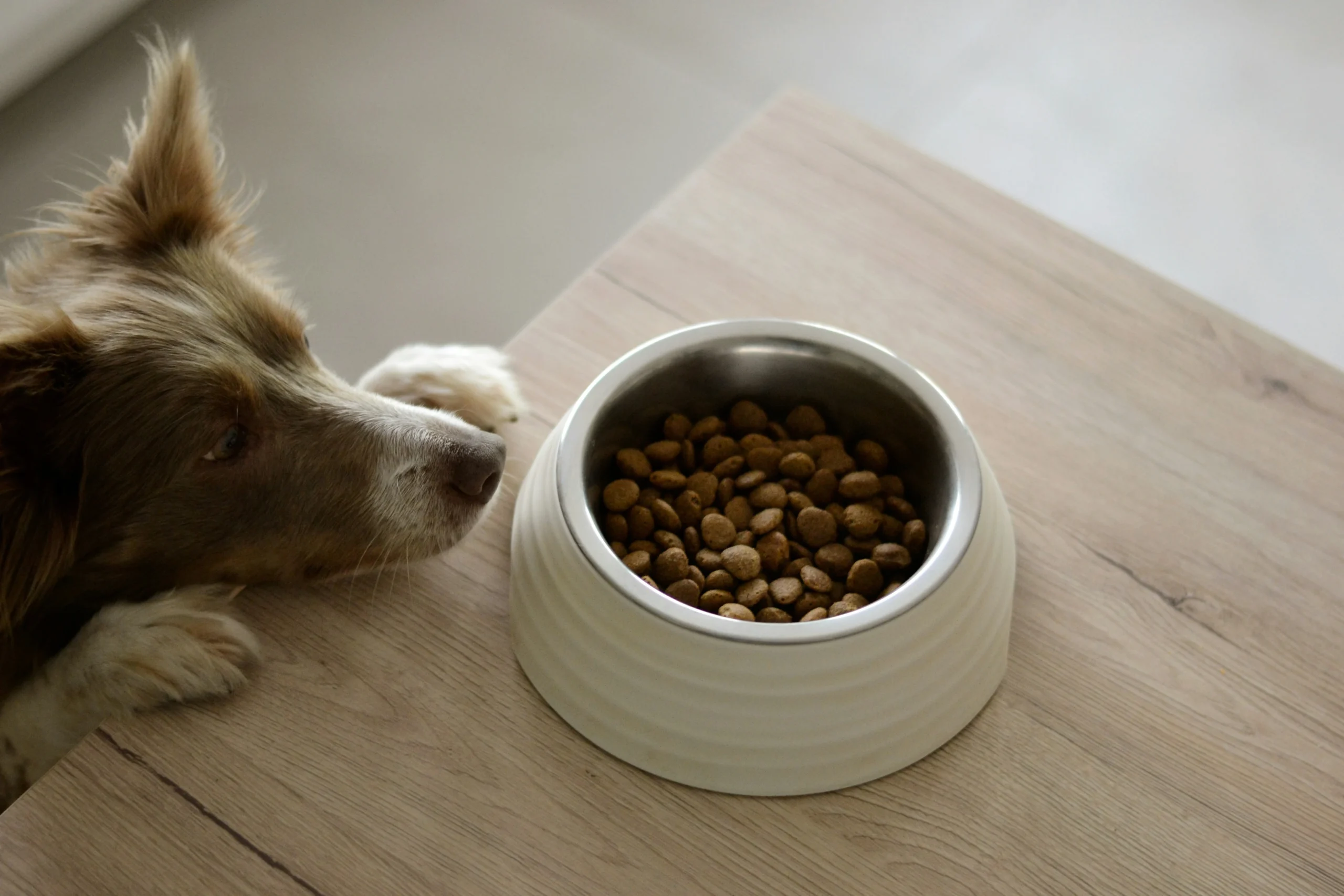
When summer rolls around, I always notice my Golden Retriever, Max, acting a bit off. He’d pick at his meals, drink way more water than usual, and just seem less interested in eating overall. Turns out, I was feeding him the exact same heavy, protein-packed kibble I give him in winter—and his body was basically screaming for something different. That’s when I realized: the best pet food in summer isn’t just about what you feed your pet, it’s about adapting to the season itself.
Summer heat affects how our pets digest food, how much they want to eat, and what their bodies actually need to thrive. Most pet parents stick with their regular routine and wonder why their dog seems lethargic or their cat barely touches dinner. The truth? Your pet’s nutritional needs genuinely shift when temperatures spike. In this guide, I’m breaking down everything I’ve learned (and some lessons I learned the hard way) about feeding pets during the hot months.
After helping your pet recover from a skunk spray, it’s also important to manage your own stress. Explore our guide to natural sleep remedies for simple ways to relax and get a better night’s sleep.
Why Pets Need Different Food in Summer
Before we talk solutions, let’s understand the problem. Heat messes with your pet’s metabolism. When it’s 90 degrees outside, your dog or cat isn’t burning as many calories doing regular activities—they’re conserving energy just to stay cool. That means a summer diet needs to be lighter and more easily digestible than their winter counterpart.
I discovered this when Max started leaving half his dinner bowl untouched in July. A vet check-up showed nothing was wrong; his body was just telling him it didn’t need all those heavy proteins and fats he’d happily demolish in January.
Summer heat also increases water loss through panting and perspiration. Your pet’s digestive system has to work harder in the heat, which is why heavier meals can cause upset stomachs, bloating, and even loss of appetite. The best pet food in summer accounts for this by being gentler on the digestive tract while still providing essential nutrients.
Fresh, Lighter Proteins Are Your Best Friend
This is where most people get it wrong. They assume “lighter” means “less food,” but it actually means choosing proteins that are easier to digest and naturally less taxing on the system.
I started rotating Max between chicken (especially cooked, shredded chicken breast), turkey, and fish during summer months. These white meats digest faster than beef or lamb, which means less strain on the digestive system when it’s already working overtime to regulate body temperature. Fish, in particular, is incredible—it’s lean, packed with omega-3 fatty acids that support skin and coat health, and actually has a cooling effect in traditional pet nutrition philosophy.
What shocked me was how quickly Max responded. Within a week of switching to lighter proteins, he was finishing his meals again and had noticeably more energy during evening playtime (when temperatures drop).
The key here is cooked proteins. Raw or undercooked meat can harbor bacteria that multiply faster in heat, and cooking makes the protein more digestible for your pet’s body. I typically simmer chicken or turkey for about 12-15 minutes and let it cool completely before serving.
Wet Food Versus Dry Kibble in Summer Heat
Let me be honest: I was a kibble-only person for years. But summer changed my perspective entirely.
Wet food has a game-changing advantage in summer—it’s already moisture-rich, which helps your pet stay hydrated without them having to drink as much water to compensate. When it’s hot, many pets don’t drink enough water on their own, so getting hydration through food is actually genius. I started mixing wet food (high-quality, grain-free options) with a small portion of kibble for Max, and the difference was noticeable.
That said, dry kibble isn’t terrible—it just requires more intentional hydration strategies. If you’re sticking with kibble in summer, make sure your pet has constant access to fresh, cool water, and consider soaking the kibble slightly with water or low-sodium broth to increase moisture content and aid digestion.
Here’s the breakdown:
Wet Food Benefits:
- Higher moisture content (75-80% vs. 10% in kibble)
- Easier to digest
- More appealing when appetite dips
- Better for hydration
Dry Kibble Benefits:
- More convenient
- Better for dental health
- Longer shelf life once opened
- More affordable per serving
My personal approach? During peak summer (June-August), I do about 60% wet food and 40% kibble, then transition back to my normal ratio in fall. It’s a small adjustment that pays off.
If your dog becomes anxious around fireworks, thunderstorms, or other loud sounds after a stressful experience, read our guide on helping your dog stay calm during stressful situations with gentle, positive training techniques.
Hydration: The Often-Overlooked Side of Summer Pet Nutrition
Here’s something I wish someone had told me earlier: feeding your pet in summer isn’t just about the food—it’s equally about keeping them hydrated.
I keep multiple water bowls throughout my house and yard, and I refresh them every few hours. Water that sits in the sun gets warm, and warm water is less appealing to pets (and can harbor bacteria if left out too long). I’ve also started adding ice to Max’s water bowl during the hottest part of the day, and he actually gets excited about drinking it.
Some people get creative with hydration by making pet-safe ice cubes with diluted low-sodium broth or just plain water. Frozen water takes longer to consume, which means your pet stays occupied and hydrated at the same time. I’ve done this on particularly brutal heat days, and it genuinely helps.
A quick tip: you can tell if your pet is getting enough water by checking their gums. Press your finger on their gum—it should turn white, then pink again within a second. If it takes longer, your pet might be dehydrated.
Summer Pet Food Comparison: Quick Reference Table
| Factor | Best Choice | Why It Works | Temperature Consideration |
|---|---|---|---|
| Protein Type | White meat (chicken, fish, turkey) | Easier digestion, lighter on system | Doesn’t generate as much body heat |
| Food Type | Wet or mixed wet/dry | Higher moisture content | Aids hydration naturally |
| Meal Frequency | Smaller, more frequent meals (2-3x daily) | Easier on digestion, maintains appetite | Prevents overeating during heat |
| Treats | Frozen or fresh (watermelon, carrots) | Cooling effect | Acts as hydration + enrichment |
| Timing | Early morning or evening | Cooler parts of day | Pets more interested in eating, cooler temps |
| Water | Fresh, cool, multiple bowls | Constant availability | Prevents dehydration |
The Case for Smaller, More Frequent Meals
One of my biggest mistakes was keeping Max on his regular twice-a-day schedule all year. In summer, I switched to three smaller meals—breakfast around 6 AM, a light lunch around noon, and dinner at 6 PM.
Why? Smaller meals are easier to digest, and they keep your pet’s metabolism moving without overwhelming their system. Plus, it works psychologically—instead of Max getting overwhelmed by a big bowl, he was getting multiple small “victories” throughout the day, which seemed to keep him more interested in eating overall.
This is especially important for older pets or those with sensitive stomachs. In summer, their digestive systems are already under stress from the heat, so giving them smaller portions means less strain and better nutrient absorption.
I typically reduce the total daily portion by about 10-15% when I switch to three meals, since pets naturally need fewer calories in summer due to reduced activity levels. But your individual pet’s needs will vary—this is where your vet becomes your best resource.
Fresh Ingredients and Homemade Summer Options
I’m not suggesting you switch entirely to homemade meals (honestly, that’s a lot of work and requires careful nutrition planning), but incorporating fresh ingredients can really boost summer nutrition for your pet.
I’ll occasionally make a light summer meal for Max that’s roughly 50% lean protein, 30% vegetables (carrots, green beans, sweet potato), and 20% healthy fats. Everything is lightly cooked and cooled before serving. The key is keeping it simple and avoiding anything toxic to pets (no onions, garlic, avocado, chocolate, or xylitol).
A realistic approach? Use fresh ingredients as a supplement or mixer. I’ll add a tablespoon of cooked, shredded chicken or some steamed carrots to Max’s regular kibble a few times a week. It boosts nutrition, adds moisture, and keeps mealtime interesting.
If you go the homemade route regularly, definitely consult your vet or a pet nutritionist. Homemade diets can easily become unbalanced if you’re not careful about proportions and micronutrients.
Summer Treats That Actually Cool Your Pet Down
Treats are a huge part of how I manage Max’s summer appetite and hydration. But summer treats should be different from winter treats.
I make frozen broth popsicles using low-sodium chicken broth poured into ice cube trays—Max absolutely loves these, and they’re hydrating and cooling. Another favorite is freezing dog-safe peanut butter (make sure it doesn’t contain xylitol, which is toxic) with a bit of plain yogurt in a Kong toy.
Fresh watermelon (seedless!) is surprisingly popular with many dogs, and it’s 92% water. Frozen blueberries, carrots, and green beans are also winners. I keep a container of these in the freezer and hand them out throughout the day as both treats and temperature-management tools.
The rule I follow: treats should be less than 10% of daily calories, even in summer. They’re supplements to meals, not replacements.
Common Mistakes to Avoid This Summer
I’ve made these mistakes, and I’ve watched other pet owners make them too:
1. Feeding the same amount year-round. Your pet needs fewer calories in summer. That heavy kibble portion that worked in February might be too much in July. Watch your pet’s weight and adjust accordingly.
2. Leaving food out all day. In summer heat, bacteria multiply fast. Wet food should be served fresh and any uneaten portions thrown out after 30 minutes. Even kibble can go rancid faster in heat.
3. Forgetting about water. I can’t stress this enough. If your pet seems uninterested in food, they might actually be mildly dehydrated. Offer water first, then food.
4. Switching foods too quickly. If you’re changing from winter kibble to summer food, do it gradually over 7-10 days. Abrupt switches cause digestive upset.
5. Feeding right before or after intense exercise. Wait at least an hour after feeding before letting your pet play hard, and wait 2-3 hours after heavy exercise before feeding. Heat + full stomach + activity = potential bloat.
6. Assuming your pet will drink enough on their own. Some pets, especially older ones, are forgetful drinkers. You need to actively encourage hydration during summer.
When to Talk to Your Vet About Summer Feeding
I always reach out to Max’s vet in late spring to discuss summer adjustments. Your vet knows your pet’s health history and can give personalized advice based on age, weight, activity level, and any existing health conditions.
Talk to your vet if:
- Your pet loses interest in food for more than a day
- You notice significant weight loss or gain during summer
- Your pet seems lethargic beyond normal heat-related tiredness
- Digestive issues pop up (diarrhea, vomiting, constipation)
- Your pet has a health condition that might be affected by diet changes
- You’re considering switching to a homemade diet
This isn’t being overcautious—it’s being responsible. Summer stress on the body is real, and professional guidance makes a huge difference.
FAQ: Your Summer Pet Food Questions Answered
Final Thoughts: Small Changes, Big Impact
Adjusting your pet’s diet for summer might seem like overkill, but after years of thinking the same diet worked year-round, I can tell you it makes a real difference. Max is happier, more energetic, and healthier during summer months since I started paying attention to seasonal nutrition.
The best pet food in summer isn’t about expensive premium brands or complicated recipes—it’s about understanding that your pet’s body needs something different when temperatures rise. Whether you’re tweaking portions, swapping to wet food, or adding fresh ingredients, you’re showing up for your pet’s wellbeing in a meaningful way.
Start with one small change this week. Add some fresh chicken to kibble, set up an extra water bowl, or try a frozen broth treat. Pay attention to how your pet responds. That’s how you figure out what works best for your pet during summer, because honestly, every animal is different.
Your pet depends on you to keep them healthy through all four seasons. This summer, you’ve got this.


2 Comments