The Ultimate Guide to 19 High-Protein Add-Ons for Every Meal
I used to think eating enough protein meant cooking a giant chicken breast every single night. It doesn’t. Some of the easiest wins come from small, boring additions you sprinkle or spoon onto food you’re already making. That’s exactly what these 19 high-protein add-ons to instantly boost any meal are for — no extra pots, no meal-prep marathon, just a quick scoop or handful that turns an average plate into something that actually keeps you full. I started using these after getting tired of feeling hungry an hour after lunch, and honestly, it’s one of the simplest habit changes I’ve made.
Why Bother With Protein Add-Ons At All?
Most of us don’t need a complete diet overhaul. We need small nudges.
Protein slows digestion, which means you stay full longer. It also supports muscle repair, which matters whether you’re lifting weights or just chasing a toddler around the house.
The problem is that cooking a whole extra protein source for every meal gets exhausting fast. Add-ons solve that. You keep your usual meal and just boost it.
Who This Works Best For
This approach works great if you’re busy, if you get hungry between meals, or if you’re trying to eat less processed food without turning your kitchen into a full-time job. It’s also handy for anyone managing weight, since protein tends to curb snacking later in the day.
If you have kidney issues or another condition where protein intake needs monitoring, please check with your doctor before making big changes — this article is general food guidance, not medical advice.
Setting yourself up for a low-stress, healthy day begins first thing in the morning; shifting your diet towardthe No.1 anti-inflammatory breakfastcan curb morning puffiness and keep your energy stable for hours.
19 High-Protein Add-Ons to Instantly Boost Any Meal
Here’s the full list, broken into groups so it’s easier to actually use.
Pantry and Fridge Staples
- Greek yogurt (plain) – About 15-20 grams of protein per cup. Stir a spoonful into soup, chili, or even pasta sauce instead of cream.
- Cottage cheese – Roughly 12 grams per half cup. I blend it smooth and stir it into scrambled eggs; nobody notices the texture, just the extra creaminess.
- Hemp seeds – About 10 grams per 3 tablespoons. Sprinkle over salads, oatmeal, or avocado toast for a mild, nutty crunch.
- Hard-boiled eggs, chopped – One egg adds about 6 grams. Toss chopped ones into grain bowls or salads.
- Nutritional yeast – Around 8 grams per 2 tablespoons, plus a cheesy flavor that works on popcorn, roasted vegetables, or pasta.
- Canned tuna or salmon – About 20 grams per small can. Stir into rice bowls or mix with mayo for a fast sandwich filling.
- Edamame (shelled) – Roughly 8 grams per half cup. Add frozen shelled edamame straight into stir-fries or grain bowls.
- Cheese, shredded or cubed – About 7 grams per ounce. A small handful on soup, tacos, or roasted vegetables adds protein and flavor fast.
Powders and Liquids
- Unsweetened protein powder – Around 20-25 grams per scoop. Stir into oatmeal, pancake batter, or plain yogurt (skip the sweetened flavors if you’re adding it to savory food).
- Collagen peptides – About 10 grams per scoop, dissolves into coffee, soup, or smoothies without changing the taste much.
- Powdered peanut butter – Roughly 6 grams per 2 tablespoons, mixes into oatmeal or smoothies with fewer calories than the jarred version.
- Milk powder (nonfat) – About 8 grams per ¼ cup, whisk into mashed potatoes, soups, or baked goods for a protein boost you won’t taste.
Beating the summer heat requires more than just drinking plain water; mixing up a few of the10 best summer drinks to sip all season longwill keep you thoroughly hydrated without relying on sugary sodas.
Nuts, Seeds, and Legumes
- Almonds, chopped – About 6 grams per quarter cup, great on salads or yogurt bowls.
- Pumpkin seeds – Roughly 5 grams per quarter cup, add crunch to soups or roasted veggies.
- Chia seeds – About 4-5 grams per 2 tablespoons, thickens smoothies and puddings while adding protein and fiber.
- Lentils, cooked – About 9 grams per half cup, stir into soups, tacos, or pasta sauce as a meat extender.
- Chickpeas, roasted or plain – Around 7 grams per half cup, toss onto salads or blend into a quick dip.
Meat and Seafood Extras
- Diced deli turkey or chicken – About 9 grams per ounce, folds easily into wraps, salads, or fried rice.
- Crumbled bacon or turkey bacon – Around 3 grams per slice, small amount but adds protein and flavor to baked potatoes, salads, or eggs.
How to Actually Use These Without Overcomplicating Things
Having a list is one thing. Actually using it daily is another. Here’s the simple process I follow.
Step-by-Step: Boosting Any Meal With Protein Add-Ons
- Look at your meal and estimate roughly how much protein is already in it (a rough guess is fine, you don’t need to weigh everything).
- Pick one add-on that fits the flavor profile — Greek yogurt for creamy dishes, hemp seeds for anything crunchy, lentils for soups and sauces.
- Add it in during the last few minutes of cooking, or stir it in right before serving for cold dishes.
- Taste and adjust. Some add-ons, like nutritional yeast, are strong, so start small.
- Repeat at your next meal with a different add-on so you’re not eating the same thing every day.
That’s genuinely it. Once you get used to which add-ons go with which meals, it takes about 10 extra seconds.
Quick-Reference Checklist for Grocery Shopping
Keep these staples stocked and you’ll never be without an easy protein boost:
- Plain Greek yogurt
- Canned tuna or salmon
- Frozen shelled edamame
- Hemp seeds or chia seeds
- Cooked lentils or canned lentils
- Hard-boiled eggs (pre-boil a batch on Sunday)
- Unsweetened or lightly sweetened protein powder
- Shredded cheese
Comparing Protein Add-Ons by Convenience and Grams
| Add-On | Protein per Serving | Best Used In |
|---|---|---|
| Greek yogurt | 15-20g per cup | Soups, sauces, smoothies |
| Cottage cheese | 12g per ½ cup | Eggs, pasta, toast |
| Canned tuna | ~20g per small can | Rice bowls, sandwiches |
| Edamame | 8g per ½ cup | Stir-fries, grain bowls |
| Protein powder | 20-25g per scoop | Oatmeal, pancakes, smoothies |
| Chia seeds | 4-5g per 2 tbsp | Puddings, smoothies |
| Lentils | 9g per ½ cup | Soups, pasta sauce, tacos |
| Hemp seeds | 10g per 3 tbsp | Salads, avocado toast |
Matching Add-Ons to Specific Meals
Some combinations just work better than others. Here’s how I actually pair these throughout the day.
Breakfast
Oatmeal, toast, and smoothies are the easiest breakfasts to boost. Stir a scoop of unsweetened protein powder or a spoonful of powdered peanut butter into oatmeal while it’s still warm. For toast, cottage cheese blended smooth makes a surprisingly good spread under sliced tomato. Smoothies handle almost anything — chia seeds, hemp seeds, collagen peptides, or Greek yogurt all disappear into the blend.
Lunch
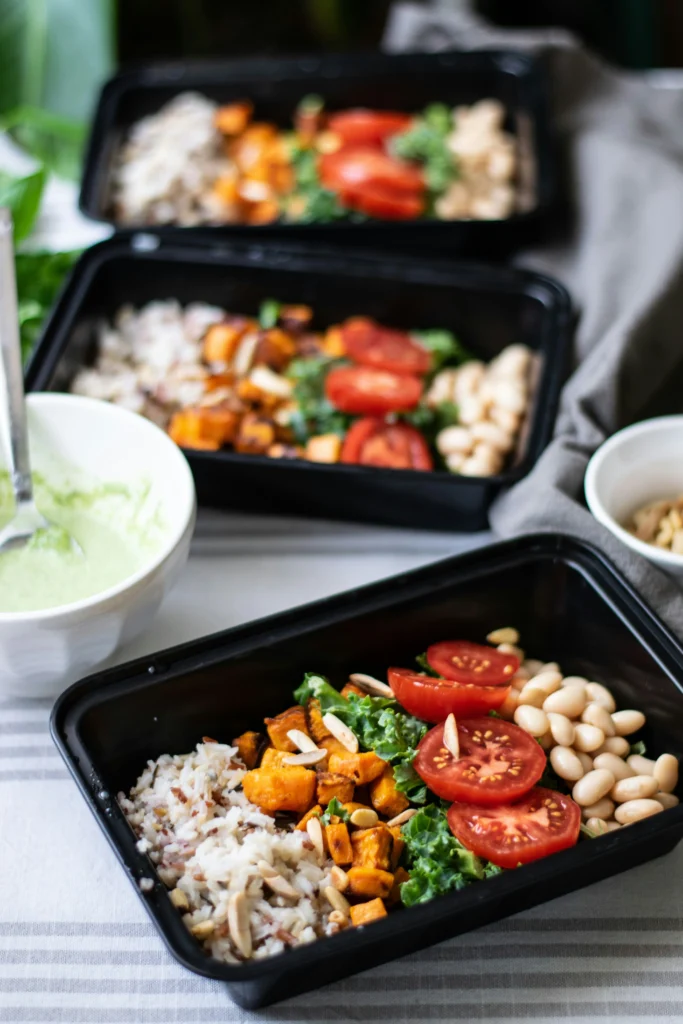
Salads and grain bowls are basically built for add-ons. Canned tuna, chickpeas, edamame, and hard-boiled eggs all work without changing the flavor of whatever dressing or sauce you’re using. If you’re eating a sandwich instead, a thin layer of hummus made from chickpeas adds protein without needing extra meat.
Dinner
Soups, pasta sauces, and stir-fries are where lentils and shredded cheese shine. I stir a half cup of cooked lentils into jarred marinara at least twice a week — it thickens the sauce and nobody in my house has ever noticed the swap. Nutritional yeast works well sprinkled over roasted vegetables or stirred into mashed potatoes right at the end of cooking.
Snacks
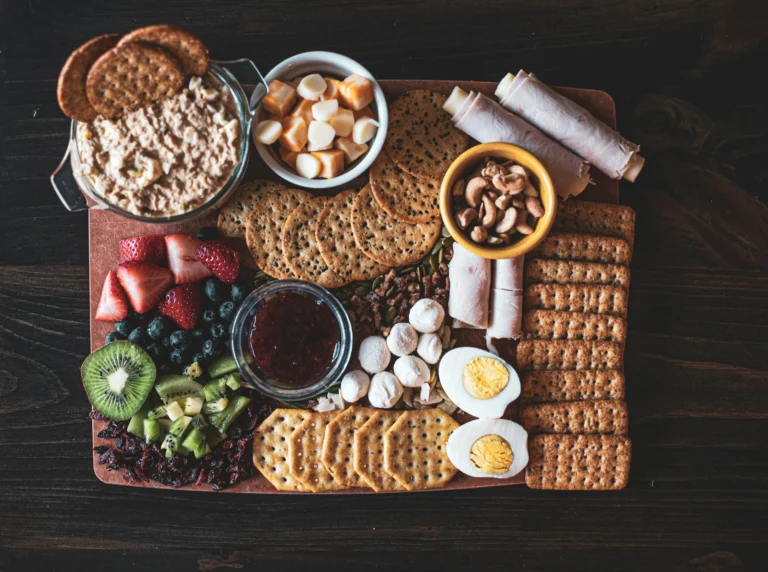
This is where nuts, seeds, and cheese cubes come in handy. A quarter cup of almonds or pumpkin seeds paired with a piece of fruit keeps you fuller than fruit alone. Cheese cubes with a few crackers work the same way.
How Much Is Actually Enough?
I get asked this constantly: how much add-on do you actually need per meal? There’s no single magic number, but a rough target of 20-30 grams of protein per meal tends to keep most people satisfied until the next one.
That doesn’t mean you need to hit that number from the add-on alone. If your meal already has a chicken breast or a couple of eggs, a small handful of pumpkin seeds or a spoonful of Greek yogurt is plenty to round things out. Save the bigger boosts — like a full scoop of protein powder or a whole can of tuna — for meals that are otherwise light on protein, like a bowl of plain rice or a vegetable soup.
Common Mistakes to Avoid
I’ve made most of these mistakes myself, so consider this the shortcut version of learning it the hard way.
- Adding sweetened protein powder to savory food. Vanilla-flavored powder in your soup is exactly as bad as it sounds.
- Overdoing nutritional yeast. It’s flavorful, but too much can taste bitter fast. Start with a teaspoon.
- Forgetting the sodium in processed add-ons. Deli meat, cheese, and canned tuna can add up sodium-wise, so balance with lower-sodium meals elsewhere in the day.
- Buying flavored Greek yogurt by mistake. Plain is far more versatile for cooking; the flavored kind is mostly sugar.
- Not pre-boiling eggs ahead of time. If you wait until you’re hungry to boil eggs, you’ll skip this step every time. Batch cook them once a week instead.
- Assuming all add-ons work in every dish. Chia seeds are great in smoothies but weird in soup. Match the texture to the meal.
When Extra Protein Might Not Be the Answer
If you’re already eating plenty of protein and still feeling low energy, tired, or hungry all the time, the issue might not be protein at all. It could be sleep, stress, hydration, or something worth mentioning to a doctor or registered dietitian. Protein add-ons are a helpful tool, not a cure-all, and results can vary from person to person.
Frequently Asked Questions
Final Thoughts
None of this requires a total kitchen overhaul or a subscription meal kit. It’s really just about keeping a few protein-rich staples on hand and reaching for them out of habit instead of an afterthought. Pick two or three from this list that fit how you already cook, stock them in your fridge or pantry, and see how much easier it feels to stay full through the afternoon.



One Comment