Healthy Evening Snacks Under 200 Calories for Weight Loss
You’ve eaten dinner. You told yourself that was it for the night. And then, somehow, you’re standing in front of the open fridge, illuminated like you’re about to commit a crime, deciding between the leftover pasta and “just a little” ice cream. If this scene feels uncomfortably familiar, welcome to the club. I’ve been a card-carrying member for years.
Here’s what changed things for me: I stopped trying to white-knuckle my way through nighttime hunger and started actually planning for it. Because here’s the truth nobody tells you enough — wanting a snack at night isn’t a willpower failure. It’s biology, habit, and sometimes genuine hunger, all tangled together. The fix isn’t restriction. It’s having the right healthy evening snacks under 200 calories for weight loss ready to go, so you’re never standing in front of that fridge without a plan.
This guide is everything I’ve learned from years of testing snacks on myself (and my very honest husband, who has zero filter about what tastes like cardboard), plus the nutrition science behind why timing and snack composition matter more than people realize.
Balancing your evening cravings is easier when you have the right options on hand. For more easy recipes, refreshing drinks, and clean eating ideas, browse our full collection of healthy food guides.
Why Evening Snacking Sabotages Weight Loss (And Why It Doesn’t Have To)
Let’s clear something up first: snacking at night is not inherently bad. The problem isn’t the act of eating in the evening — it’s what and how much we tend to eat once willpower has worn thin from a long day.
Research published through the National Institutes of Health has explored how decision fatigue accumulates throughout the day, making late-evening choices more impulsive and less deliberate. By 9 p.m., you’ve made hundreds of micro-decisions already. Your brain is tired. That’s exactly when a bag of chips starts looking like a reasonable dinner course two.
The other piece is hormonal. Ghrelin, your hunger hormone, doesn’t just disappear after dinner — for many people, it actually creeps back up in the evening, especially if dinner was light on protein or fiber. So if you’ve ever thought “I just had dinner two hours ago, why am I starving,” that’s not you lacking discipline. That’s just how your body works.
The solution isn’t to fight your hunger. It’s to meet it with something smart.
My Turning Point: The Great Snack Drawer Experiment
About two years ago, during a stretch where I was trying to lose the “stress weight” that crept on during a particularly chaotic work season, I did something embarrassingly simple: I dedicated one kitchen drawer entirely to pre-portioned, evening-appropriate snacks.
No more mindlessly grazing straight from a family-size bag. Everything went into small containers or snack bags ahead of time — string cheese, a small handful of almonds, cut veggies with hummus already portioned into little cups.
The result surprised me. Within about three weeks, I noticed I wasn’t overeating at night anymore, not because I was restricting myself, but because the friction of “let me measure this out” was removed. The snack was just there, ready, already in a sensible portion. It sounds almost too simple to work. It worked anyway.
A low-calorie evening snack works best when backed by a satisfying meal. To prevent late-night cravings entirely, try pairing these ideas with our quick 30-minute healthy dinner recipes for family table.
What Makes an Evening Snack Actually “Good” for Weight Loss
Before we get to the list, it helps to understand what separates a smart evening snack from one that quietly derails your progress.
A weight-loss-friendly evening snack should generally include:
- Protein or fiber (ideally both) — these are the two nutrients most responsible for satiety, meaning they help you actually feel full and satisfied rather than just occupied
- A modest calorie range — generally under 200 calories keeps evening intake from stacking up into a second dinner
- Low added sugar — sugar spikes can actually increase hunger shortly after, which is the opposite of what you want before bed
- Enough volume or texture to feel satisfying — a snack that disappears in two bites often leaves you wanting more
With that framework in mind, here’s my tested, genuinely loved list.
15 Healthy Evening Snacks Under 200 Calories
1. Greek Yogurt with Berries and a Drizzle of Honey (~150 calories)
This is my most-repeated snack, hands down. Greek yogurt is packed with protein, which keeps you full longer than regular yogurt. Add a handful of berries for fiber and natural sweetness, and just a small drizzle of honey if you want a touch more.
2. Apple Slices with 1 Tablespoon Almond Butter (~180 calories)
The combination of fiber from the apple and healthy fat from the almond butter is genuinely one of the most satisfying pairings I’ve tried. It feels indulgent without derailing anything.
3. Air-Popped Popcorn, 3 Cups (~90 calories)
Popcorn gets an unfairly bad reputation because of movie-theater versions drenched in butter. Air-popped on its own, it’s a whole grain with real volume, which matters when you want something to chew while watching TV.
4. Cottage Cheese with Cinnamon and a Few Walnuts (~170 calories)
I was skeptical about this one for years — cottage cheese has a texture reputation problem. But with cinnamon and a few crushed walnuts, it genuinely tastes more like a dessert than a diet snack.
5. Hard-Boiled Egg with a Pinch of Salt and Pepper (~78 calories)
Simple, portable, protein-dense. I keep a few boiled eggs in the fridge at all times for exactly this purpose.
6. Cucumber Slices with 2 Tablespoons Hummus (~100 calories)
Crunchy, hydrating, and satisfying in a way that surprises people who assume “diet snack” means bland.
7. Small Baked Sweet Potato with Cinnamon (~130 calories)
This one feels cozy in a way most “diet” snacks don’t. Microwave a small sweet potato, top with cinnamon, and it genuinely feels like a treat.
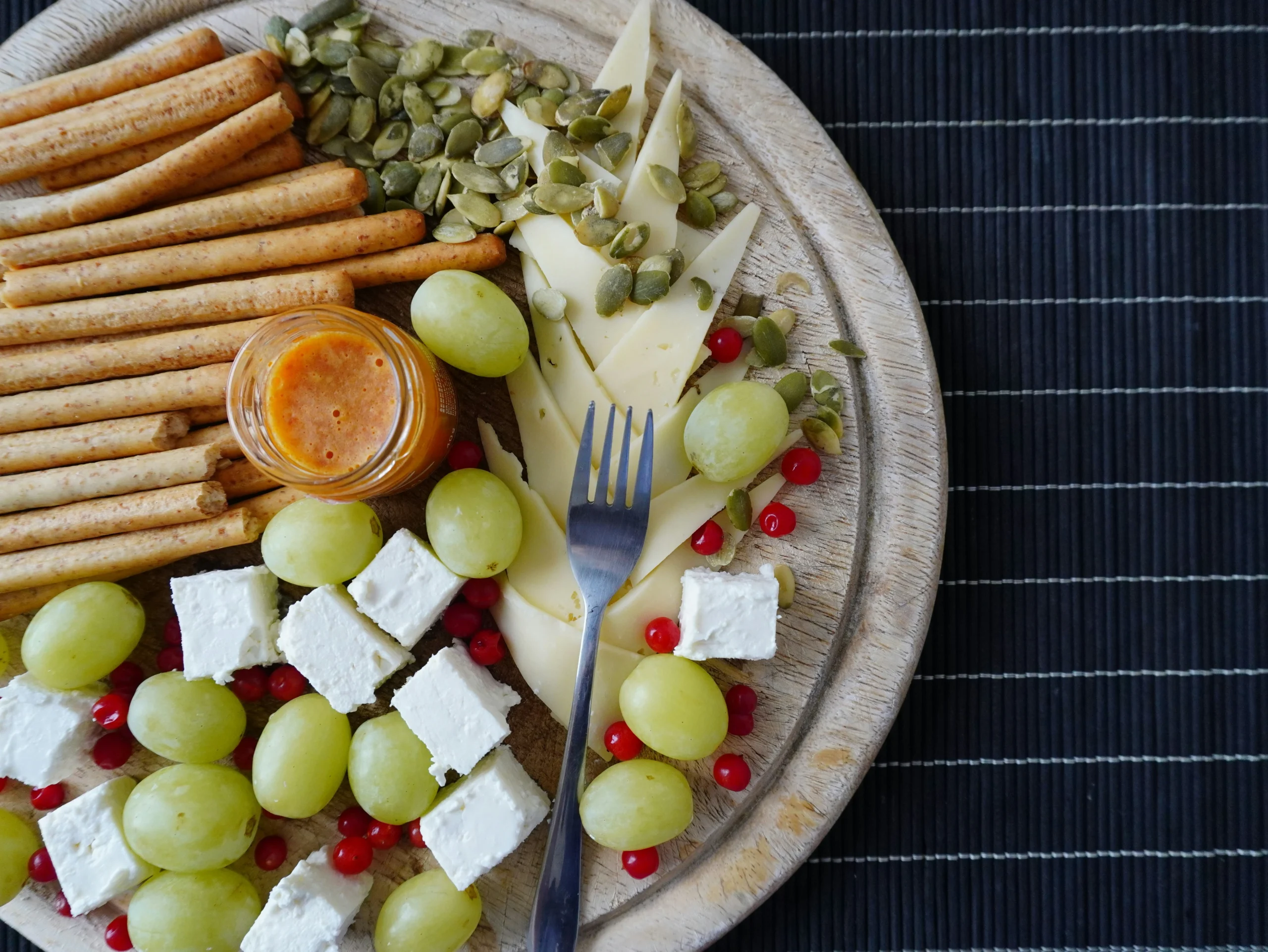
8. String Cheese with a Handful of Grapes (~140 calories)
Portable, protein-and-fiber-balanced, and requires zero prep. This is my “I’m too tired to think” snack.
9. Roasted Chickpeas, 1/4 Cup (~130 calories)
Crunchy and satisfying in the way chips are, but with fiber and protein doing actual work. Season with paprika or garlic powder for extra flavor.
10. Frozen Banana Bites with Dark Chocolate Drizzle (~150 calories)
Slice a banana, freeze the pieces, then drizzle with melted dark chocolate. This satisfies a sweet craving without needing an actual dessert.
11. Edamame, Steamed and Lightly Salted (1 cup, ~190 calories)
High in plant protein and fiber, and the process of shelling each pod slows down eating speed, which naturally helps with satisfaction.
12. Rice Cake with Cottage Cheese and Tomato Slice (~120 calories)
This tastes far better than it sounds — like a tiny open-faced sandwich.
13. Trail Mix, Homemade, 2 Tablespoons (~150 calories)
Mix your own with a small ratio of nuts, seeds, and a few dark chocolate chips. Store-bought trail mix is often calorie-dense, so portioning your own version is key.
14. Celery with Peanut Butter and Raisins (“Ants on a Log”) (~160 calories)
A nostalgic classic that holds up as an adult snack far better than people expect.
15. Herbal Tea with a Small Square of Dark Chocolate (~70 calories)
Sometimes the craving isn’t hunger — it’s a ritual. A warm cup of tea paired with a small square of dark chocolate (70% cacao or higher) satisfies the “something sweet before bed” urge without much caloric cost.
Step-by-Step: Building Your Own Evening Snack Strategy
- Identify your actual trigger. Are you truly hungry, bored, stressed, or just winding down out of habit? This single question changes everything about how you respond.
- Pre-portion snacks earlier in the day, ideally right after grocery shopping or meal prep. Removing the “decision” at 9 p.m. removes most of the risk.
- Pair protein or fiber with whatever you’re craving. Craving something sweet? Pair fruit with a protein source rather than eating the fruit alone.
- Set a “kitchen closes” time that isn’t overly rigid, but gives your evening some natural structure — for me, it’s roughly 9:30 p.m. most nights.
- Keep trigger foods less visible, not necessarily banned. Simply moving chips to a higher, less visible shelf reduced my instinctive reaching for them significantly.
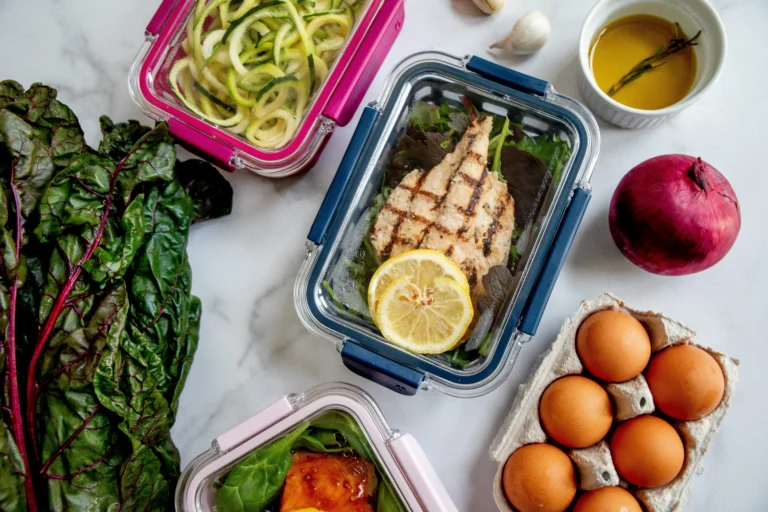
Planning your snacks ahead of time eliminates the temptation of high-calorie options. Take your routine a step further by pairing these treats with our comprehensive guide to healthy meal prep ideas for weight loss to streamline your entire weekly menu.
Common Mistakes People Make With Evening Snacking
- Skipping snacks entirely out of guilt. This often backfires into overeating later or the next day. Restriction breeds rebound.
- Eating straight from the package. Portion control disappears the moment you’re eating from a family-size bag while distracted.
- Confusing thirst with hunger. A glass of water before reaching for a snack solves this more often than people expect.
- Choosing “diet” packaged snacks loaded with sugar alcohols or artificial sweeteners. These can trigger digestive discomfort and sometimes increase cravings rather than satisfy them.
- Eating in front of screens without noticing portions. Mindless eating while watching TV is one of the most common ways an innocent snack turns into an entire bag.
Pros and Cons of Structured Evening Snacking
Pros:
- Prevents overeating driven by excessive hunger or decision fatigue
- Supports better sleep when snacks are balanced rather than sugar-heavy
- Reduces the guilt cycle that often comes with unplanned late-night eating
- Builds sustainable habits rather than relying on restriction
Cons:
- Requires some upfront planning and prep time
- Portion control still matters even with “healthy” snacks — calories add up regardless of the source
- Not a substitute for addressing underlying emotional eating patterns, which sometimes benefit from additional support
Tips and Tricks That Actually Help
- Batch-prep on Sundays. Wash, chop, and portion a week’s worth of snacks in one sitting so you’re never starting from scratch on a Tuesday night.
- Keep a “craving swap” list on your fridge — for example, sweet craving → frozen grapes, crunchy craving → roasted chickpeas.
- Use smaller plates or bowls for snacks. It sounds like a cliché, but visually, a full small bowl feels more satisfying than a half-empty large one.
- Drink water first, always. It’s simple, but it remains one of the most effective tools for distinguishing real hunger from habit.
A Quick, Honest Disclaimer
I want to be transparent: I’m a wellness writer sharing what’s worked for me and countless readers over the years, not a registered dietitian or medical professional. If you have specific health conditions, are managing diabetes, or have a history of disordered eating, please consult a doctor or registered dietitian before making significant changes to your eating patterns. This list is meant to support general healthy habits, not replace personalized medical guidance.
Bringing It All Together
Finding healthy evening snacks under 200 calories for weight loss isn’t about deprivation or white-knuckling your way past 8 p.m. every night. It’s about meeting your body’s very real evening hunger with something that actually satisfies you — protein, fiber, a little planning, and zero guilt.
Start small. Pick two or three snacks from this list that genuinely sound appealing (not just “healthy-sounding”), portion them out ahead of time, and keep them within easy reach. That’s the whole strategy. No extreme rules, no bans, just smarter defaults.
Actionable takeaway: Tonight, pick one snack from this list, portion it out in advance, and place it somewhere visible in your fridge or pantry. Make tomorrow’s 9 p.m. decision already made for you.
Related reading on Stewart Manor:
- Best Morning Routine for Stress and Anxiety Reduction
- Simple Meal Prep Ideas for Busy Weeknights
- How to Stop Emotional Eating Without Restriction
- A Beginner’s Guide to Mindful Eating
- Easy High-Protein Breakfasts for Sustained Energy