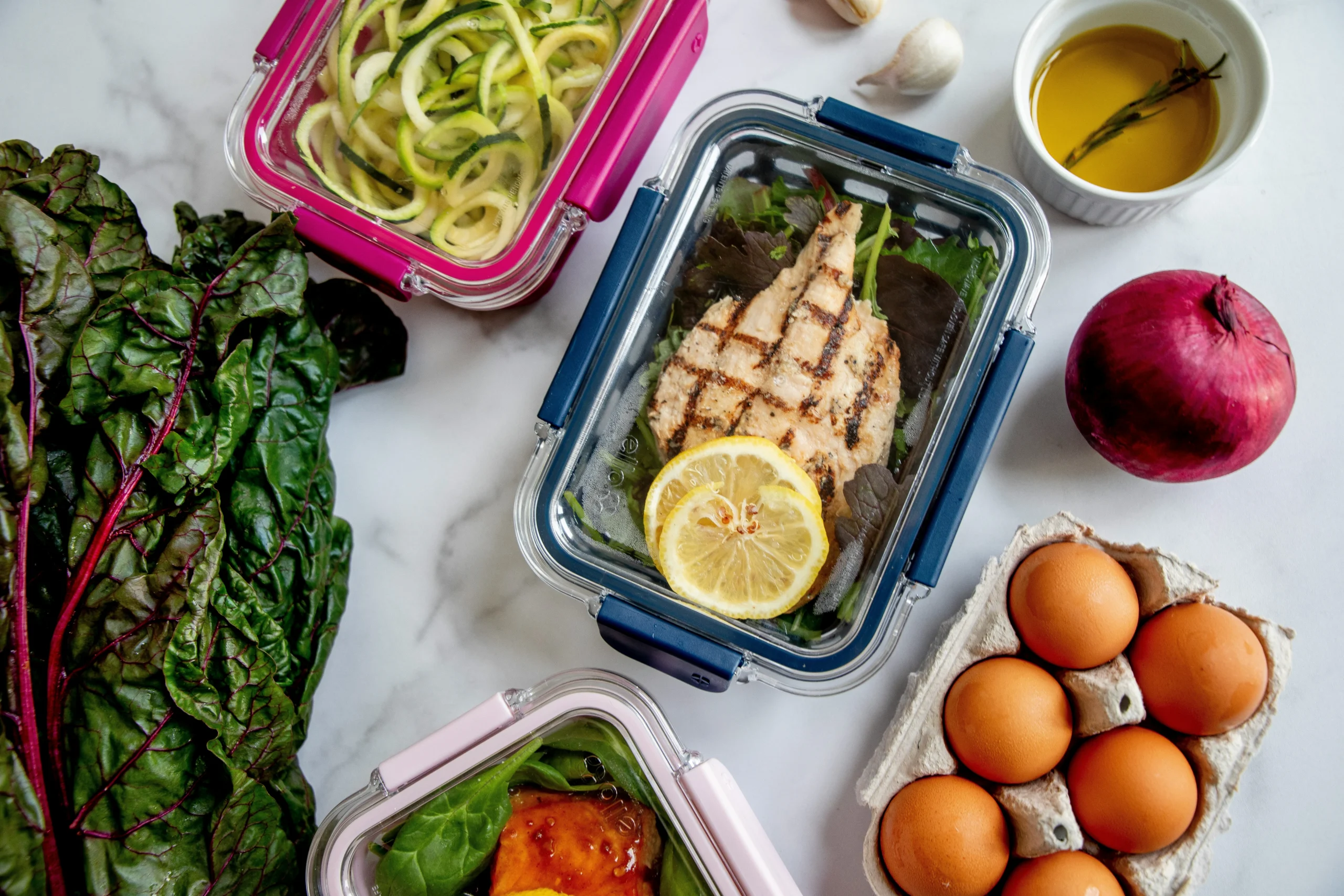
Easy Healthy Meal Prep Ideas for Weight Loss That Actually Stick
I remember the Monday morning I decided to “get serious” about my weight. I’d packed my lunch the night before—grilled chicken, raw broccoli, white rice. By Wednesday, that chicken had turned into something I didn’t recognize, and I was back in the drive-thru line. Sound familiar?
Here’s what I’ve learned after years of trying (and failing) at healthy meal prep ideas for weight loss: the problem isn’t your willpower or your goal. It’s that most people approach meal prep like a punishment. You’re supposed to eat plain, boring food and somehow love it.
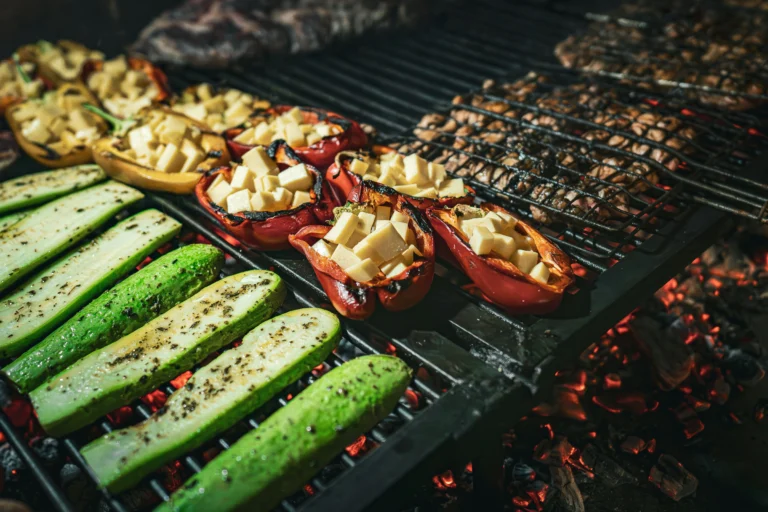
Forget the boring veggie burgers and upgrade your next summer barbecue with these 19 Vegetarian Grilling Recipes for Your Next Cookout, featuring flavorful, easy-to-make ideas—from smoky portobello steaks to grilled halloumi skewers—that will easily become the main event of your backyard party.
Spoiler alert: that’s not how this works.
What actually works is understanding why meal prep matters for weight loss, then building a system that fits your real life—not some Instagram influencer’s life. After plenty of trial and error, I’ve discovered specific combinations, storage tricks, and prep methods that keep you on track without making you miserable. Let’s dig into what actually works.
Why Meal Prep for Weight Loss Is Different Than Just “Eating Healthy”
Here’s the thing about weight loss: it’s less about being good and more about being consistent. When you’re not prepping, you’re making 21 food decisions a week (three meals a day, seven days). Each decision is a chance to pick something easier, faster, or more comforting. That’s where most people derail.
Meal prep removes the willpower question. You’ve already decided. The food is sitting there, ready to go, and it’s actually something you want to eat.
I also noticed something unexpected: when I started prepping meals, my portions naturally got better without me obsessing over calories. You end up eating less because you’re actually satisfied—not because you’re white-knuckling through hunger.
The weight loss piece comes from creating a calorie deficit, sure, but it’s sustainable because you’re not living on sad salads and chicken breast. You’re eating food that tastes good and works toward your goal.
Looking to stabilize your morning energy and improve your digestion? Discover why making a simple bowl of oatmeal a daily habit can completely transform your health in The Health Benefits of Oats: Why I Started Eating Them Daily, where we break down the science of beta-glucan, heart health, and how to make oats actually taste amazing.
Getting Your Kitchen Ready (Without Buying Everything)
Before you start prepping, you need the right containers—not fancy ones, just functional ones.
I use glass containers with snap lids. They’re about $15 for a set of four, and they last forever. Plastic gets stained and holds smells; glass just works. Get ones that are roughly 32 ounces—that’s a solid single meal portion.
You’ll also want:
A good knife – Seriously. A $20 chef’s knife makes prepping vegetables take half the time. I wasted so much energy with a dull knife before I realized how much easier this got.
Sheet pans – Two or three for roasting vegetables and proteins. Standard metal pans work great.
A food scale (optional but helpful) – I use mine maybe twice a week to check portions. It’s not obsessive; it’s just reality-checking that my “handful” of rice is actually a reasonable portion.
Storage labels – You can use masking tape and a pen. Write the date. It matters more than you think.
You don’t need a $300 meal-prep subscription or fancy gadgets. Honestly, I’ve done this with just a cutting board, a knife, and a few pans.
Tired of marketing tricks that disguise sugary junk as health food? Learn how to spot real nutrition and fuel your body properly with The No. 1 High-Protein Snack Nutrition Guide, where we reveal the true macronutrient guidelines, the three numbers you must check on every label, and a simple 4-step formula to build satisfying, hunger-crushing snacks.
Building Your Protein Base: The Foundation of Healthy Meal Prep
When I first started prepping, I thought chicken breast was the only option. It’s the most boring part of meal prep for weight loss, but it’s actually flexible if you prep it right.
Cook your chicken with a little salt, pepper, and garlic. Don’t cook it dry in a pan; throw it in a baking dish with a splash of broth or lemon juice at 375°F for about 25 minutes (for 2-pound portions). It stays moist, and you’re not stuck eating cardboard.
But here’s the thing—rotate your proteins:
Ground turkey (93/7 lean) is cheaper and cooks faster. Brown it with diced onion and tomato paste for flavor, then portion it out.
Eggs are underrated for meal prep. Hard boil a dozen on Sunday. They’re portable, keep for five days, and give you 6 grams of protein per egg without any cooking when you need them.
Canned tuna and salmon won’t win a fancy dinner, but they’re genuinely convenient. Mix with a little mayo and lemon, and they’re a different meal than if you ate them plain.
Tofu (if that’s your style) is cheap, versatile, and takes on whatever flavors you add. Press it, cube it, bake it at 400°F for 25 minutes with soy sauce and ginger.
I aim for 25–35 grams of protein per meal because that’s what keeps me satisfied until the next meal. Below that, I’m hungry in two hours. Above that, and I feel heavy.
Vegetable Combinations That Actually Taste Good
This is where most meal prep fails. People cook a massive pile of broccoli, freeze it, then hate eating it.
Different vegetables have different textures and flavors, so combine them intentionally:
The Roasted Mix: Chop Brussels sprouts, bell peppers, and red onion. Toss with olive oil, salt, pepper. Roast at 425°F for 20 minutes. The Brussels sprouts get crispy, peppers stay slightly soft, and the onion caramelizes. This is genuinely delicious, not just “healthy.”
The Salad Keeper: Wash spinach or mixed greens, dry them really well (moisture is your enemy), and store in a container with a paper towel. Add your other toppings just before eating. Prep your dressing separate.
The Microwave Hack: Steam bags of broccoli, cauliflower, or mixed vegetables, then portion them out. They taste better when microwaved fresh than if they sit in the fridge raw or pre-cooked.
The Crunch Bowl: Carrots, radishes, and cucumber actually get better after sitting in the fridge for a day. Pair these with a little hummus or Greek yogurt dip.
The secret is texture variety. If everything’s soft or everything’s crunchy, you get bored. Mix textures, and meal prep suddenly feels less like a chore.
I usually aim for filling half my container with vegetables because that bulk helps you feel full without overdoing calories.
Carbs That Support Your Weight Loss Goals
Okay, I’m going to be real: cutting carbs entirely isn’t sustainable for most people, and it’s not necessary for weight loss. You need carbs for energy, especially if you’re exercising.
The key is picking carbs that don’t spike your blood sugar and keep you hungry two hours later.
White rice is cheap and convenient, but it’s basically pure carbs with no fiber. I use it, but I pair it with protein and vegetables so it doesn’t cause a blood sugar crash.
Brown rice or quinoa have fiber, which means they digest slower and keep you satisfied longer. Takes about five minutes longer to cook, but worth it.
Sweet potatoes are my favorite. One medium sweet potato has about 25 grams of carbs and 3 grams of fiber. Bake them at 400°F for 40 minutes, portion them, and you’re set for days.
Lentils or chickpeas are actually protein-carb combinations. A cup of cooked lentils has 18 grams of protein and 40 grams of carbs. They’re cheaper than meat and genuinely filling.
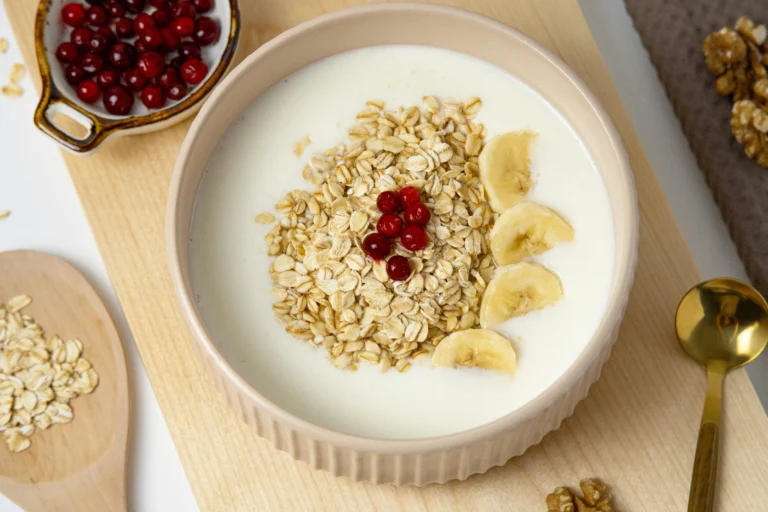
Oats are solid for breakfasts. Make overnight oats in a mason jar (1/3 cup oats, 2/3 cup Greek yogurt or milk, toss in frozen berries). Next morning, it’s ready.
Here’s the practical part: I include one fist-sized serving of carbs per meal. That’s roughly 1/2 cup of cooked rice or a medium sweet potato. Sounds small, but with protein and veggies, it fills you up.
The Weekly Prep Strategy That Doesn’t Take All Day
I used to think meal prep meant spending four hours on a Sunday. That’s why I never did it consistently.
Now I do a 45-minute Wednesday night prep and a 45-minute Sunday prep instead. It’s less overwhelming, and food tastes fresher.
Wednesday Evening (45 minutes):
- Roast vegetables (Brussels sprouts, peppers, whatever’s on sale). Throw them in at 425°F, set a timer, fold laundry while they cook.
- Cook grains (rice, quinoa, lentils). These can simmer while you do other things.
- Chop vegetables that’ll keep (carrots, cucumber, bell pepper).
Sunday Morning (45 minutes):
- Cook your protein. I usually do two kinds—ground turkey and hard-boiled eggs.
- Final assembly. Portion everything into containers.
- Clean up.
By Wednesday evening, you’ve got half your week covered. Sunday tops it off. This means food is fresher (cooked just 3–4 days prior instead of 7), and you’re less likely to get bored with the same meals.
Common Mistakes That Derail Healthy Meal Prep
I’ve made all of these, so I’m speaking from experience.
Prepping only one type of meal. If your Monday-Wednesday lunches are all the same, by Thursday you’ll be desperate for pizza. Mix your proteins, vegetables, and sauces. Same basic ingredients, different combinations.
Cooking vegetables until they’re mushy. Overcooked broccoli tastes like punishment. Aim for tender but still slightly crisp. It keeps texture and tastes better cold.
Not seasoning enough. Unseasoned food is the #1 reason people quit meal prep. Use salt, pepper, garlic, lemon juice, hot sauce, soy sauce. Season as you go, not just at the end.
Forgetting about sauce and condiments. Plain chicken is sad. But chicken with a little teriyaki, bbq sauce, or hummus? Totally different meal. Keep portion-controlled amounts of flavor on hand.
Storing wet food. If your container has condensation, your food gets soggy. Let things cool completely before covering, and make sure your lid has air vents (or just leave it slightly cracked until it’s fully cooled).
Going too extreme on portions. If you’re eating tiny portions of food you don’t even like, you’ll quit. It’s better to eat reasonable portions of food you actually enjoy and lose weight slowly than to white-knuckle through a crash diet.
A Simple Meal Prep Check-In Table
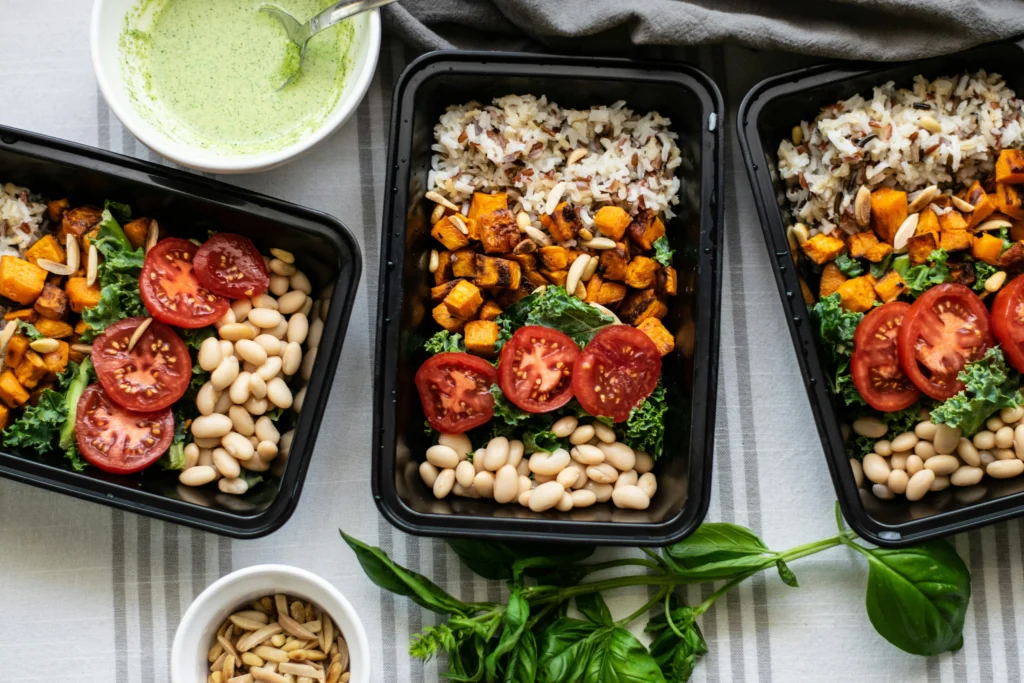
Here’s what a balanced meal-prep container should look like:
| Component | Amount | Why |
|---|---|---|
| Protein | 4–6 oz (palm-sized) | Keeps you full, supports muscle |
| Vegetables | 1.5–2 cups (fills half container) | Fiber, nutrients, bulk without calories |
| Carbs | Fist-sized portion | Energy, sustainable for most people |
| Healthy fat | 1 tsp oil or small handful nuts | Flavor, absorbs vitamins, satisfaction |
| Seasoning | Salt, pepper, garlic, sauce | Taste. Non-negotiable. |
This isn’t rocket science, and portions don’t have to be perfect. This is just a starting point so you’re not second-guessing yourself.
Frequently Asked Questions
What Actually Happens When You Stick With It
After about three weeks of consistent meal prep, something shifts. You stop thinking about food constantly. You stop making that drive-thru stop because you’ve already got lunch handled. Your clothes fit differently. Your energy’s more stable.
You also realize that meal prep isn’t about deprivation—it’s about control. You’re choosing to eat foods that make you feel good and support your goals instead of just eating whatever’s convenient.
The real win isn’t the number on the scale (though that usually moves). It’s the confidence that comes from following through on something you said you’d do. That carries over to other parts of life.
Start small. Pick one week. Prep three days of meals. See how it feels. Adjust from there. Healthy meal prep ideas for weight loss don’t have to be complicated or perfect. They just have to be real and doable for your life.
A Final Reality Check
This isn’t going to work if you’re expecting perfection. You’ll have weeks where you don’t prep, weeks where you eat pizza, weeks where life gets messy. That’s normal. The goal is consistency over time, not flawlessness.
When you do slip, just start again Wednesday or the next Sunday. No shame, no restart drama. That’s how real people actually lose weight and keep it off.

One Comment